The 72-Hour Injury Roulette: How Roster Chaos Reshapes Deadline Strategy
By Erik Schwartz ·
With the trade deadline 3 days away, injuries to Ohtani, Judge, and McClanahan are forcing contenders to recalculate their acquisitions in real time.
The Rays watched Shane McClanahan exit Thursday's start in the fourth inning with mid-back tightness, a reminder that roster stability is a luxury no contender can assume heading into Monday's 6 p.m. ET deadline cutoff. McClanahan's arm remains intact—the injury is structural, not mechanical—but the timeline for his return remains uncertain, and Kevin Cash offered only the non-committal "we'll get him checked out" before the clock started running on a three-day window.
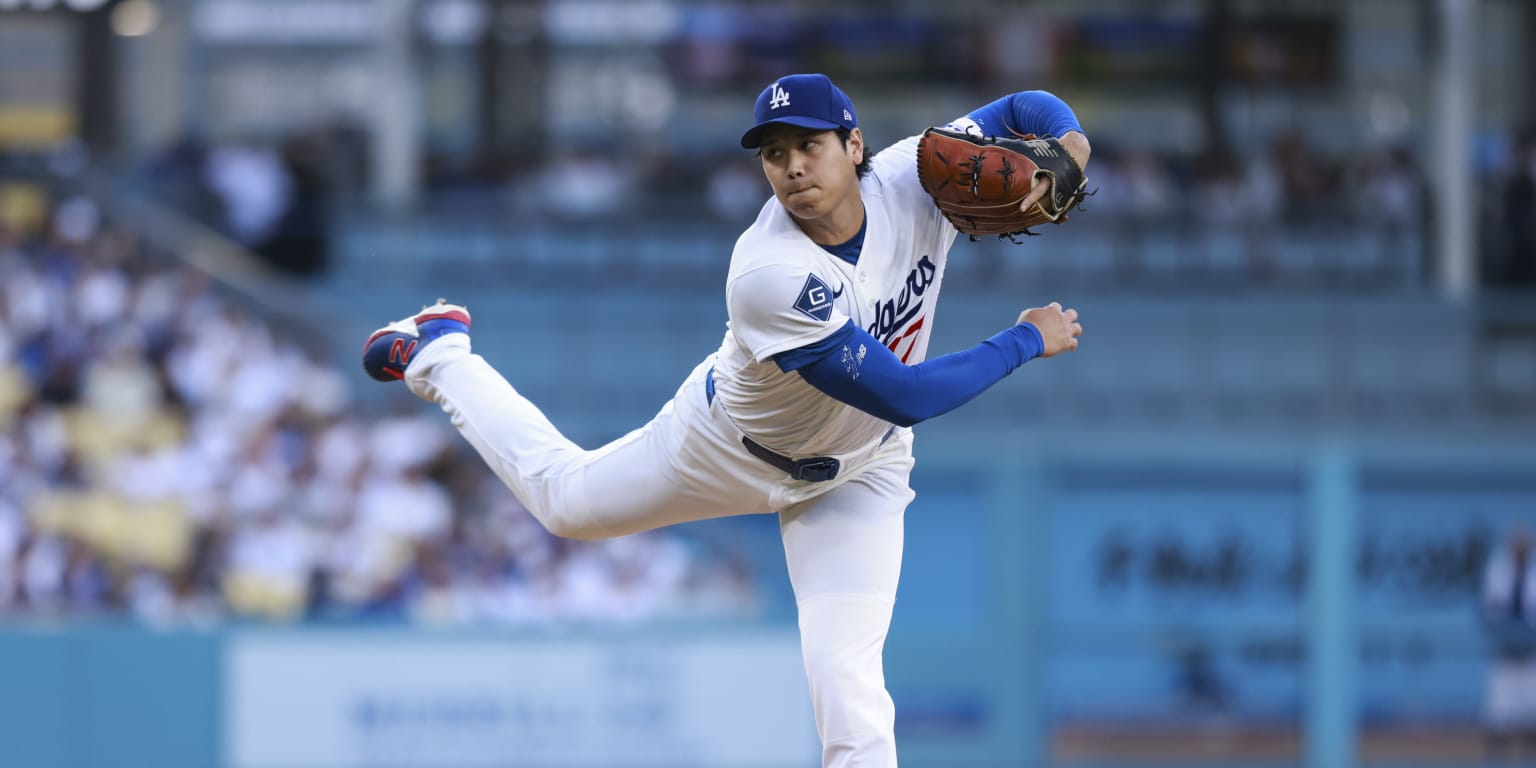
The urgency compounds across the sport. The Dodgers are managing a two-front injury crisis: Shohei Ohtani last pitched on July 3 and remains unavailable due to left knee soreness that has persisted even in his limited designated-hitter appearances. Blake Snell (loose bodies in elbow) and Tyler Glasnow (lower back spasms) are both mid-rehab, leaving Los Angeles to weigh whether internal recovery timelines justify holding at the deadline or whether external acquisition becomes necessary. The Ohtani knee situation introduces a structural problem—the Dodgers can rest him now, but overloading other position players to compensate risks cascading injuries elsewhere. Will Smith, their three-time All-Star catcher, has been out since early June with a neck issue, though recent reports suggest pain-free progress and resumed activities. For a team built around depth and star power, these absences create a calculus inversion: instead of asking "who can we add?" the Dodgers are now asking "how many starters can we afford to lose?"
The Yankees face a more brutal arithmetic. Aaron Judge remains in "letting-it-heal mode" with a right rib stress fracture since May 31, now 92 days into his absence. More immediately damaging, Cody Bellinger suffered a Grade 2 hamstring strain expected to sideline him 4-to-6 weeks—a timeline that places his return well into September, potentially rendering him unavailable for playoff depth. Without Judge, Bellinger, and Giancarlo Stanton, New York's outfield is functionally decimated. GM Brian Cashman has already flagged catching as "an issue," but the real need may have shifted: an outfield reinforcement becomes non-optional now, not optional.
For prop bettors, this creates a two-layer problem. First: roster fluidity introduces volatility into playing-time assumptions. A Dodgers acquisition of a starting pitcher—the Tarik Skubal rumors now carry material weight because Ohtani's absence extends expected pitcher workload—reshapes innings and strikeout distributions for Los Angeles starters over the next 30 days. Snell, if activated before the deadline, enters a bullpen-heavy usage pattern, suppressing his strikeout-per-start ceiling. Second, and more actionable: Yankees outfield depth charts are about to undergo forced reorganization within 72 hours. Any Yankees hitter prop predicated on stable lineup positioning should be faded or revisited post-deadline. If New York swings for a major outfield addition, bench players suddenly receive regular plate appearances, but high-leverage counting stats (RBIs, runs) become diluted across a larger roster footprint. The injury window—these three days—is when lines reflect pre-deadline assumptions. Once the deadline passes and acquisitions become official, market repricing happens within hours.
The paradox: teams operate under perfect information about their own roster damage (injuries known to their doctors); the market operates under delays and uncertainty. McClanahan's back tightness may resolve in 48 hours or sideline him into August. That binary outcome will drive Tampa Bay's asking price for any pitcher it considers trading away. Ohtani's knee may be managed to September ramp-up, or it may worsen under minimal rest. The Dodgers' decision to acquire or stand pat hinges on medical clarity that the public won't receive until the announcement itself. For bettors, the edge sits in recognizing which injuries are infrastructure-level (Judge's rib, likely to cost 120+ games) versus workload-management (Ohtani's knee, probable to resolve within 2-3 weeks with appropriate load control). Bets made before Monday at 6 p.m. ET that assume a July 30 roster will face repricing by Tuesday morning.