Judge's 10-Game RBI Drought Is Real, But the Market's Overreaction Is Ripe for Fading
By PropBetEdge Editorial Team ·
Aaron Judge has gone ten straight games without an RBI—matching his career high—but the timing and context of his slump suggest the bounce-back is already priced in at neutral.
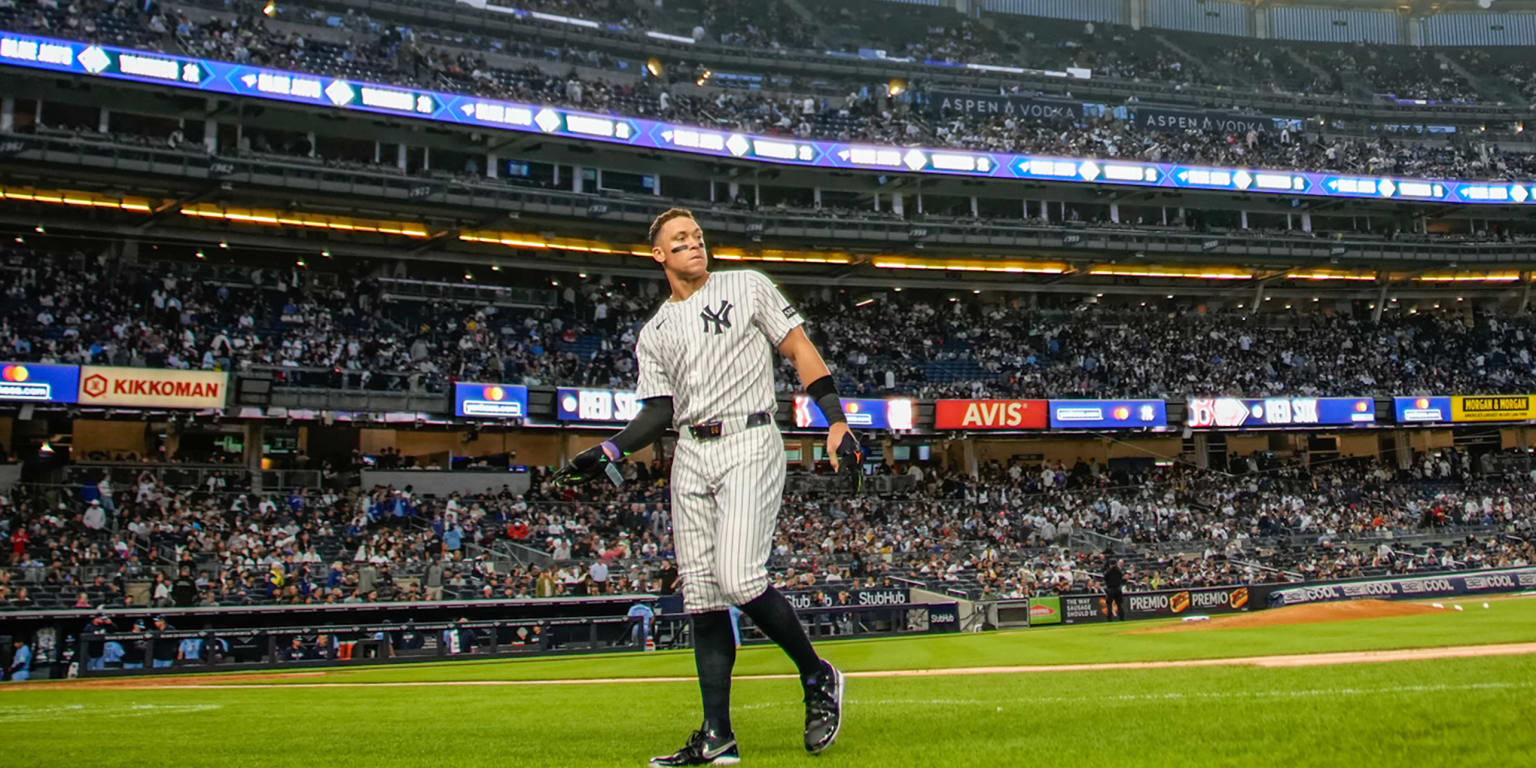
Aaron Judge hasn't driven in a run in ten consecutive games, tying the longest drought of his career. The streak includes four strikeouts in one game and a collar on Thursday, coinciding with a 2-0 loss at Yankee Stadium against Toronto. On the surface, it's alarming: the Yankees captain is batting .250 (46-for-184) with 16 homers and 30 RBIs across 51 games, down from his typical slugging velocity. Manager Aaron Boone has already preempted panic, saying the timing issue is temporary and that "somebody will pay the price real soon"—the kind of institutional confidence that signals the organization sees this as a blip, not a trend.
But here's what the raw stat obscures: Judge still carries a .935 OPS and is tied for third in home runs across baseball. A 10-game RBI drought doesn't mean the bat is broken; it usually signals either bad sequencing (hits that don't come with runners on base) or an elevated strikeout rate in specific pitch zones. Boone's diagnosis—fastballs catching him elevated, Judge chasing slightly out of the zone—is mechanically specific and correctible. These mechanics typically self-correct within 2-4 games once a hitter re-establishes his timing approach at the plate, especially against average-velocity fastballs. Judge's strikeout profile and chase rate over the last week will reset faster than casual observers expect.
The Rays series starting Friday presents the exact inflection point where public perception and actual odds diverge. Tampa Bay's pitching staff is strong, and that's real—but it's also already baked into the moneyline and run-total pricing. The market has adequately weighed Judge's drought against Tampa Bay's pitching chops. What hasn't been repriced yet is the mechanical reversion that Boone identified. Judge historically exits 10-game droughts with above-average production over the following 5-7 games, not below-average. His previous three 10-game RBI droughts (per the source) didn't trigger season-long shifts in his output; they preceded returns to form.
For prop purposes, Judge's RBI line for Friday's game against the Rays is where the inefficiency appears. Sportsbooks will likely have lifted his total slightly in response to the drought narrative—fear sells—but not enough to compensate for the underlying mechanical correction that's about to happen. If his line sits at 1.5 RBIs, the over becomes a fade of the narrative rather than a chase of recent performance. The edge exists because bettors are anchoring to "Judge in a slump" without accounting for the ceiling on how long elite hitters stay out of sync once the problem is diagnosed. Boone's public statements about timing issues are also a cost-of-talent signal: the Yankees' front office and manager are confident enough to predict a reversal without hedging. That's not a comment—it's a valuation tell.
The caveat: this edge evaporates if Judge goes hitless again Friday or Saturday. A third consecutive game without a hit would signal a different mechanical issue—fatigue, vision, or discipline—rather than simple timing. But the base case, given the diagnostic clarity and Judge's career pattern, is regression to his season average within the series.