Judge Benched in Clinch Aftermath: Yankees Manage Star Through Injury Recovery
By PropBetEdge Editorial Team ·
One week after returning from a three-month absence, Aaron Judge sits out as New York prioritizes his health over regular-season wins with playoffs secured.
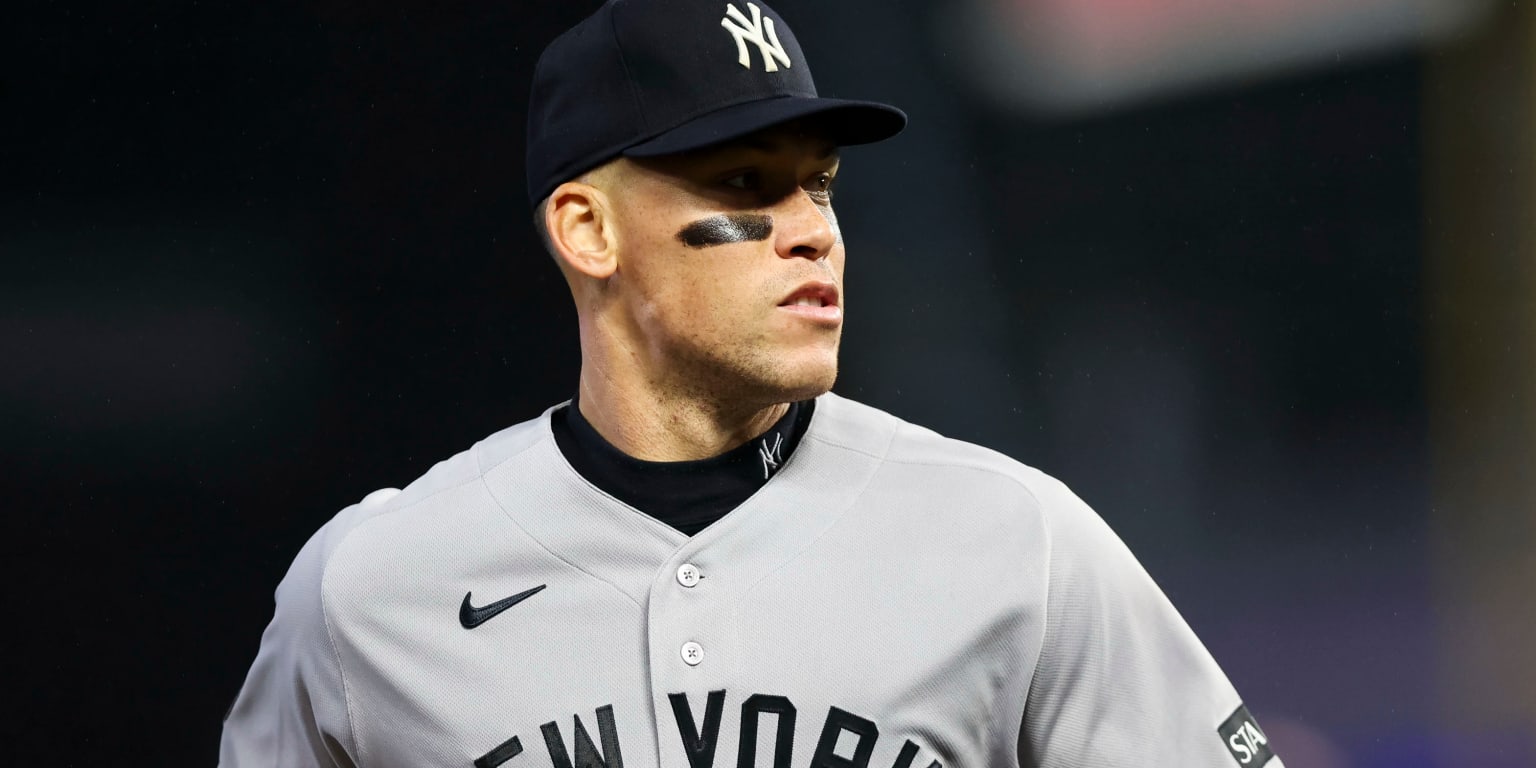
The Yankees benched Aaron Judge on Tuesday, one day after clinching a postseason berth against Minnesota. Judge, activated September 8 following a right rib stress fracture that sidelined him for over three months, will start on the bench for the second time since his return. Heliot Ramos takes right field while Ben Rice handles DH duties—a clear signal that manager Aaron Boone is managing Judge's workload in the season's final stretch rather than chasing the AL East.
The injury timeline matters here: Judge missed the bulk of August and early September, and even with a postseason spot now locked, his offensive numbers since activation paint a picture of incomplete recovery. He's 4-for-21 with 11 strikeouts across six games, a .190 average that screams rust, not just bad luck. Yes, he launched a 415-foot homer at Target Field on Monday—a reminder of his ceiling—but one moonshot over 21 at-bats isn't a trend. It's a variance spike in an otherwise cold return.
Boone's decision to rest Judge reflects both the luxury of clinching and the reality of Judge's physical state. The Yankees sit 3.5 games behind Tampa Bay in the AL East with 12 games left; the division chase is live but not desperate. More telling: New York leads Boston by five games for the top AL Wild Card slot, and they hold the tiebreaker. Resting Judge in low-leverage regular-season games before October costs almost nothing in win-probability but could preserve a star's availability and timing for the postseason. This is organizational pragmatism, not panic.
For prop bettors, Judge's strikeout rate and contact profile deserve immediate attention. His 11 K in 21 at-bats (52.4% K rate since activation) is elevated even relative to his career 27% strikeout rate. The mechanical rust—spending three months immobilized, then jumping back into game action—typically produces a lag phase where strikeout rates stay inflated for 15-25 additional plate appearances. If Judge gets sporadic at-bats over the final 12 games (as Boone's resting pattern suggests), his strikeout props should skew over for any games where he does start, particularly early at-bat counts. Conversely, Yankees team-total backing should account for Judge's diminished offensive contribution down the stretch; his presence in the lineup won't carry the same run-production weight it did before the injury.
The playoff mechanics also matter. October rosters freeze September 1; Judge won't benefit from additional recovery time once October arrives. What Boone builds now—Judge's timing, his comfort in the batter's box, his confidence against live pitching—is what New York takes to the postseason. Benching him selectively allows low-risk repetition without burn-out, but it also means his final regular-season slash line will remain modest. That reduced volume should depress any season-long prop expectations and elevate strikeout-focused angles on the games he does play.