Crawford's Position Pivot Opens Seattle's Infield Architecture
By PropBetEdge Editorial Team ·
J.P. Crawford volunteered for third base work to accelerate Colt Emerson's shortstop development, signaling the Mariners are reshaping their infield for the prospect pipeline arriving behind him.
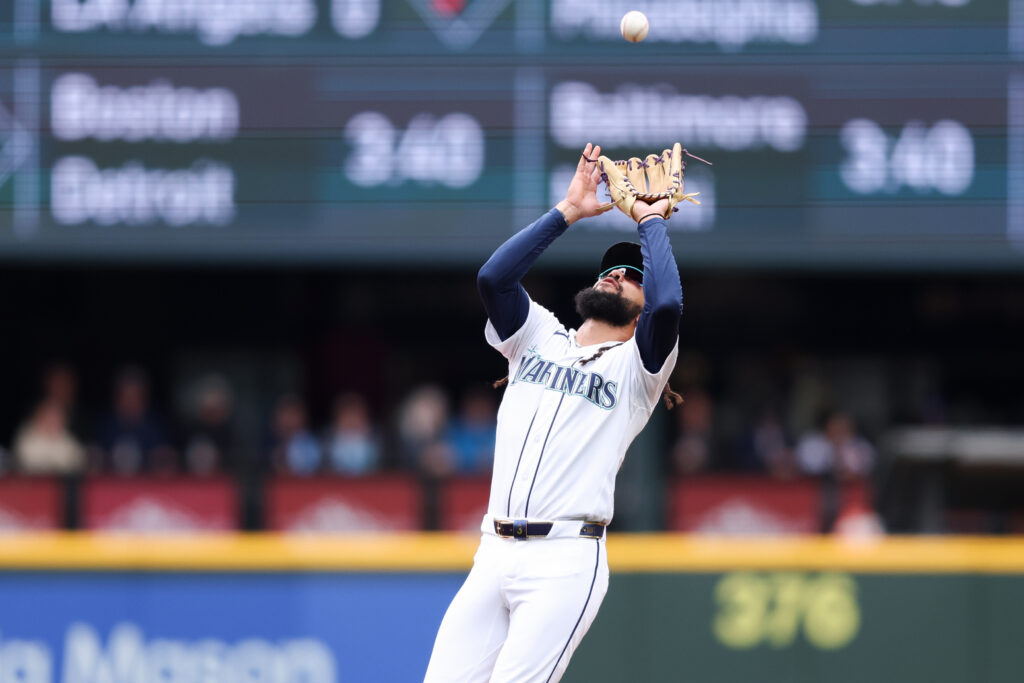
J.P. Crawford approached manager Dan Wilson this past weekend about taking grounders at third base—a move Crawford himself initiated rather than one imposed by the organization. Per MLB.com's reporting, the Mariners have been giving Crawford the work at the hot corner, though the team stressed the arrangement is exploratory rather than a permanent shift. The move's actual purpose is tactical: creating more reps for young shortstop Colt Emerson at his natural position while evaluating whether Crawford can provide positional versatility as the roster evolves.
The timing matters. Colt Emerson, the Mariners' emerging defensive centerpiece, needs consistent shortstop reps to cement his development path. Crawford's willingness to work elsewhere—and his proactive approach to floating the idea—reflects either genuine position flexibility or an understated acknowledgment that the organization views Emerson as the long-term shortstop anchor. Crawford has been a reliable two-way shortstop for Seattle, but he's also 32 and entering the back half of his contract. The Mariners aren't signaling a forced demotion; they're optioning Crawford upward into a hybrid role that could extend his relevance while unblocking younger talent.
The organizational context adds texture. Prospect Jaison Celestin is tearing through A-ball with a 20-game hit streak and a .455 batting average—rare statistical territory that suggests a legitimate prospect movement underway. Celestin's arrival timeline (potentially within the next 12–18 months) would create an infield logjam if the Mariners don't begin redeploying pieces now. Crawford at third base, Emerson at short, and Celestin as a future option at either position would give Seattle a defensive infrastructure that survives a Crawford eventual departure or decline.
From a betting lens, Crawford's prop markets—specifically his plate appearances, hits, and RBI totals—could face compression if his role shifts toward utility status or reduced playing time. A player logging 550+ plate appearances at shortstop operates in a different leverage universe than one playing 60% of games split between short and third. The Mariners haven't committed to a timeline, but if Emerson takes on primary shortstop duties within the next month, Crawford's counting-stat ceilings flatten. More critical: his batting average and on-base props may become harder to project because utility players see less consistent pitcher quality (more right-handed specialists, more defensive matchups). The edge isn't in betting Crawford DOWN immediately—the market likely hasn't priced a role reduction yet—but in watching for lineup-consistency changes that telegraph the Emerson-forward timeline.
The real tell will be starts. If Crawford drops from 5–6 games per week to 3–4, and Emerson climbs the inverse curve, that's your signal that the infield realignment is live, not theoretical. Early movers on the Emerson shortstop utilization angle have the edge; Crawford's prop markets will track his role compression in real time once it becomes visible.