Westburg's Season Ends; Orioles Infield Depth Gets Real Test
By Ty Whitney ·
Jordan Westburg's partial elbow tear requires surgery and sidelines him for 2026, forcing Baltimore to lean harder on reserve options and reshaping the team's defensive flexibility.
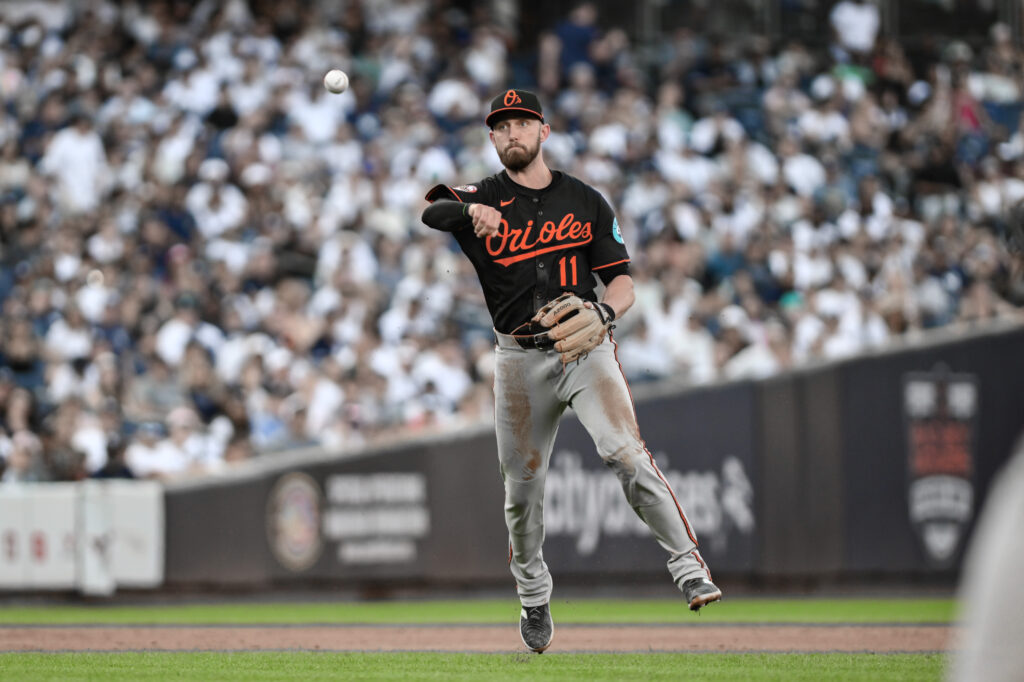
Jordan Westburg's 2026 season is over. The Orioles infielder will undergo elbow surgery after a partial tear diagnosis, per reporting from The Baltimore Banner, cementing his placement on the 60-day injured list for the remainder of the campaign. For a Baltimore roster already navigating injury headwinds, it's a significant subtraction from an already thin position-player bench.
Westburg was a fixture in the Orioles' middle infield, capable of handling both shortstop and second base with modest offensive production—the kind of utility piece that teams lean on for 400+ plate appearances across a full season. A partial tear doesn't announce itself in a single play; it compounds gradually through spring training and early-season wear until imaging confirms what the player already felt. Baltimore's front office had him earmarked for everyday-to-regular work. Now that workload shifts elsewhere.
The immediate roster impact is straightforward: Baltimore loses depth at positions where it wasn't over-supplied. Gunnar Henderson remains the shortstop. Colton Cowser can slide in. But the third and second-base rotations contract. The Orioles will call on reserves and minor-league graduates to fill gaps that Westburg was supposed to stabilize. That creates usage volatility for role players—some will see 10-15 extra plate appearances per week—and increases injury risk across the remaining bench because everyone works harder.
For prop betters, this shifts team-total and individual hitter exposure. Bench players filling Westburg's vacated at-bats have materially lower wRC+ marks; their insertion into the lineup function depresses run-scoring efficiency. The Orioles' team total for upcoming series will likely tighten, and any overaggressively priced overs on bench position players who suddenly inherit starting reps—utility infielders moving from 2-3 games/week to 5-6—should be faded. Conversely, if the market hasn't yet adjusted Baltimore's team-total lines downward to reflect sustained depth depletion, unders become more attractive as the season unfolds and bench arms fatigue.