Jones Throws Perfect Six Against Braves, But Pitch-Count Caution Signals Long Recovery Ahead
By Ty Whitney ·
A dominant six-inning outing masks the reality that Pittsburgh's surgically repaired starter remains on a strict workload management schedule.
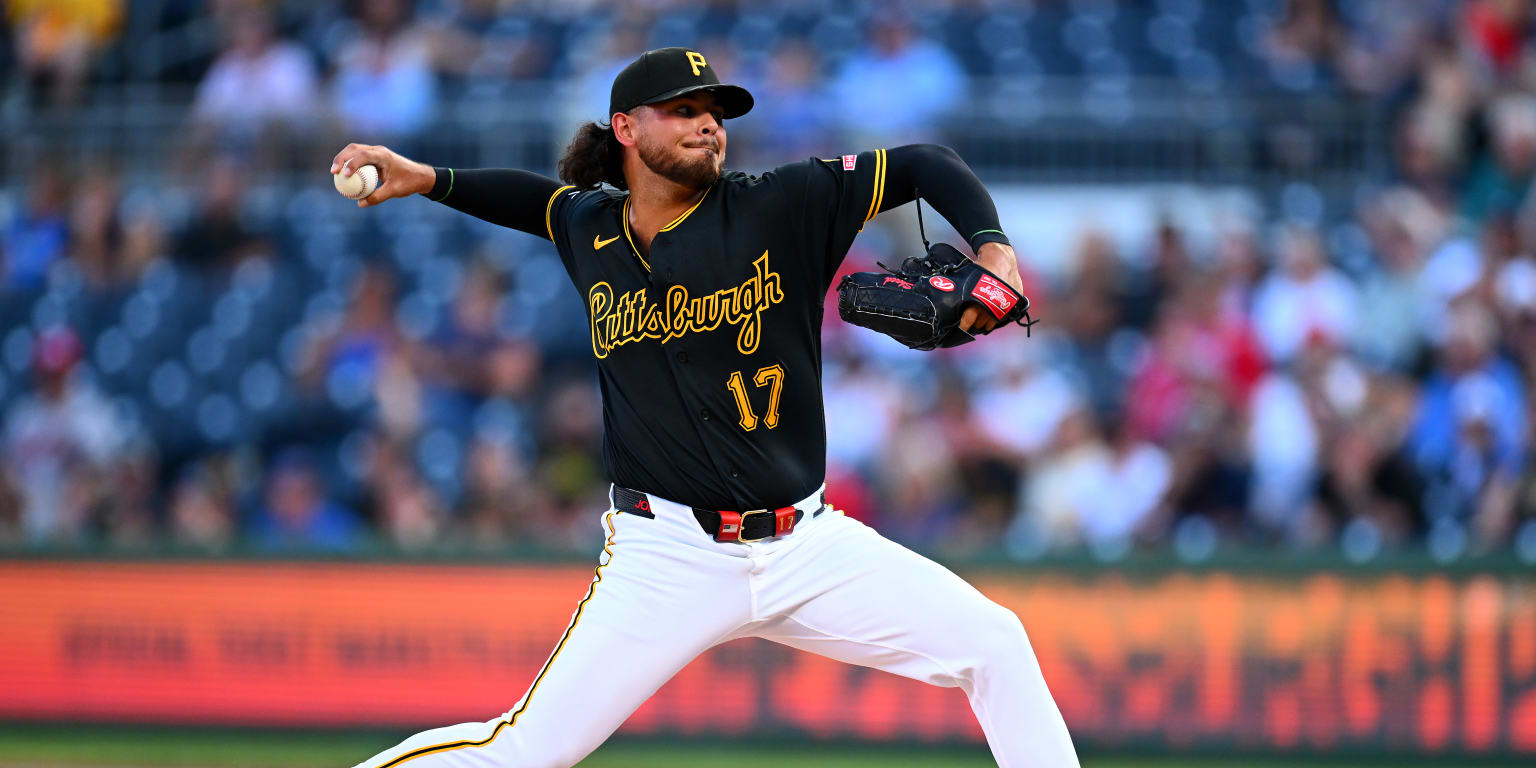
Jared Jones carved up the Braves on Wednesday night, retiring all 18 batters he faced while striking out eight—a performance that would dominate the headline if the Pirates weren't treating him like the arm injury he actually is. The start came 11 days after Jones gave up four runs in 4⅔ innings to the Reds, a outing he publicly criticized himself for. The contrast was stark: precision location, swing-and-miss stuff, and zero traffic. But the real story isn't the performance—it's the hook at 77 pitches and six innings, regardless of how dominant the action looked.
Jones is 40 days removed from Tommy John surgery on May 29. The Pirates aren't hiding their caution: he's being held in a strict 70–80 pitch window per outing, with explicit instructions to exit cleanly regardless of momentum or runner situations. That ceiling explains why he left after a 1-2-3 sixth despite being at 67 pitches and throwing strikes at will. The bullpen wasn't even warming, signaling the decision was predetermined. Even his previous start in Philadelphia showed the same constraint—four innings, two hits, two walks, predetermined exit.
This is the operational heartbeat of a post-TJ ramp. Teams don't keep perfectly-throwing pitchers on pitch counts because they lack confidence in their command; they do it because the elbow architecture needs graduated stress. The Braves' offense—which has operated at juggernaut velocity all season—didn't see a third time through the order. Atlanta's best hitters faced Jones once, twice at most. Michael Harris II, Matt Olson, and Drake Baldwin all struck out in their first two at-bats; Joey Bart's one hard contact was site-dependent (a drive that would've cleared the fence in 29 other ballparks but died at the wall in Pittsburgh).
For prop bettors, this creates a false-positive trap. A pitcher throwing a perfect six-inning game with eight strikeouts will generate look-ahead interest in his K-rate, and sportsbooks will likely shade strikeout lines higher in his next outing based on Wednesday's stuff display. But the innings cap—not the ability to record whiffs—is the binding constraint. Jones will not consistently hit 8+ strikeouts per six innings if he's never pitching more than six innings in a single game. His strikeout prop ceiling isn't his fastball; it's Pittsburgh's pitch budget. The market hasn't internalized this yet. Books will see the performance, not the off-field workload architecture.
Watch for Jones's strikeout total in his next start to be overpriced. The stuff is real. The elbow recovery timeline is real too—and it's the one thing the Pirates control.