Griffin Jax's Starter Workload Is Now Predictable—And Profitable
By Erik Schwartz ·
Fifty-nine days into his rotation debut, Jax has delivered consistency over volume—a formula that's reshaping how to bet his strikeout props.
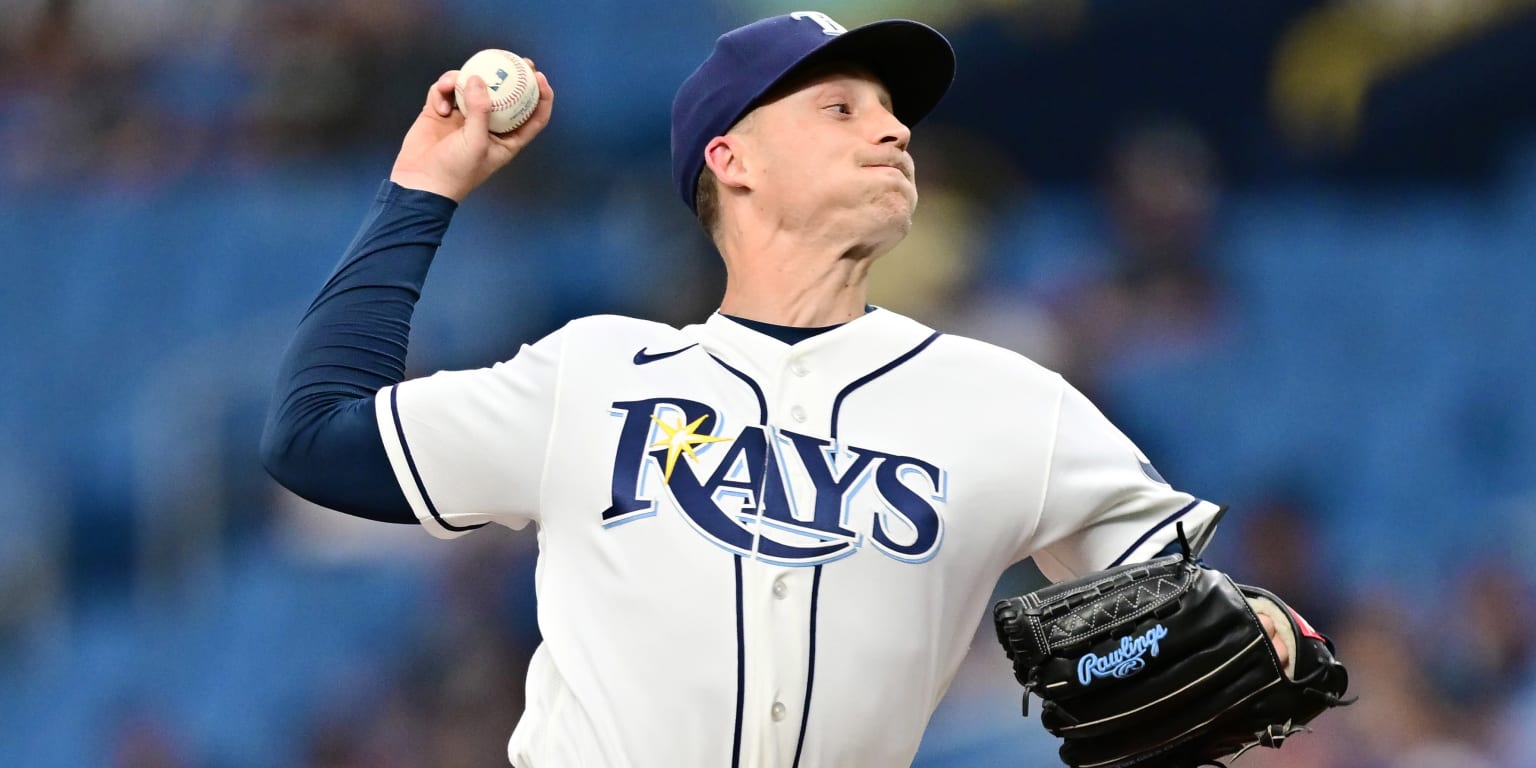
Griffin Jax struck out seven batters Wednesday against Kansas City in his 11th start since pivoting from late-inning reliever to full-time rotation fixture on April 26. The performance itself was routine—another five-inning outing in which he allowed three or fewer runs, extending that stretch to 10 of 11 starts. But the routine is the point. Jax has spent the last two months establishing a workload pattern so stable it borders on predictable, and that pattern is where the edge lives for bettors.
The constraints are real: workload management, a blister issue that surfaced earlier in the season, and deliberate pitch counts have kept Jax anchored to the five-inning window. He's now completed five innings in six of his last 11 outings, and never pitched past that mark. For a pitcher who moved from a 30-40 appearance relief role to a starter's schedule, that's not a limitation—it's a feature. The Rays are protecting investment, controlling his arm workload through a long season, and getting reliable production in a defined role. Jax isn't vying for 150-inning campaigns; he's a high-leverage, capped-volume starter whose strikeout rate needs to be evaluated within that frame.
Here's where the market catches up slowly: Jax's strikeout props are still occasionally priced as if he's pitching six-to-seven innings every outing. His K/9 through 11 starts sits at a robust 10.4, but that calculation assumes innings pitched will vary week to week. They won't. Five innings is his tether. That constraint makes his strikeout totals—when offered at overs in the 5.5-to-6.5 range—vulnerable to overvaluation on nights when the book hasn't fully adjusted for his capped workload. Against weaker strikeout-resistant offenses, Jax's propensity to punch out batters in concentrated innings creates value on the under, precisely because fewer opportunities exist to accumulate volume.
The Royals' lineup Wednesday wasn't one of those opportunities; Kansas City struck out 11 times and Jax feasted accordingly. But the template is clear: when facing a lineup with higher contact rates or lower strikeout frequency, expect the book to shade his strikeout line optimistically based on his K/9 rate divorced from innings-pitched context. Jax at 5.5 strikeouts against a team that fans 18% of the time? That's a fade. Jax at 6.5 against a high-strikeout-rate offense? Lean under, because even with that extended strikeout cohort, five innings and single-digit strikeout probability create margin below the line.