Astros Lose Meyers to Season-Ending Knee Injury; Outfield Depth Takes Hit Down the Stretch
By PropBetEdge Editorial Team ·
Houston's center field depth thins as Jake Meyers faces surgery after fouling a ball off his knee in the minors, forcing the Astros to lean harder on remaining outfielders in a tight September race.
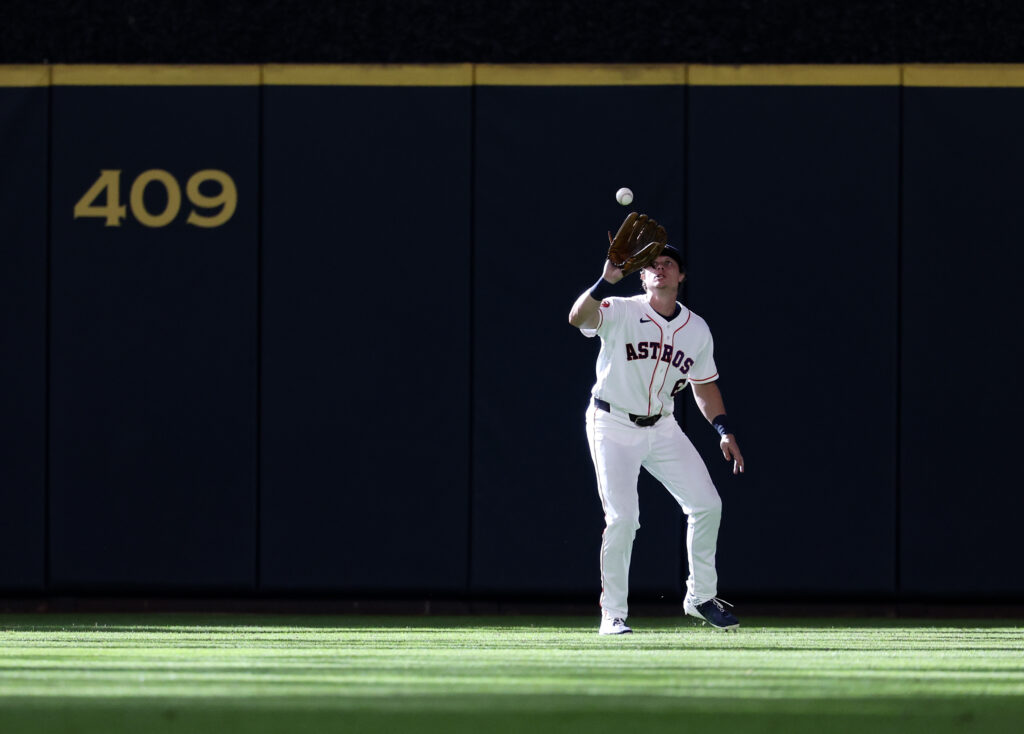
Jake Meyers' 2026 season ended on September 12 when he fouled a pitch off his left knee cap during a minor league game. The injury is severe enough to require surgery, removing him from Houston's roster for the remainder of the year. For an Astros team fighting for playoff positioning in the final stretch of the regular season, losing any piece of outfield depth matters—particularly one with Meyers' defensive profile and position flexibility.
Meyers has spent the 2026 season oscillating between Triple-A and the majors, a pattern consistent with his career arc as a reserve outfielder. He carries legitimate defensive credentials in center field and against left-handed pitching, attributes that gave the Astros options off the bench. His absence doesn't crater Houston's lineup—he wasn't a regular—but it eliminates a fallback piece when injuries or rest days strike the primary outfield corps. With the regular season winding down, the Astros now have narrower rotation options for managing fatigue and matchups.
The timing compounds the problem. September callups and roster consolidation typically give contenders a chance to stress-test depth pieces and build familiarity ahead of postseason rosters. Losing Meyers mid-month eliminates that developmental window and forces Houston to either rely more heavily on existing reserves or promote an untested minor leaguer who hasn't spent significant time in the organization's recent playoff-push infrastructure.
From a betting standpoint, this matters most to Houston's team total and spread lines. The Astros' win probability models already factored in standard depth rotation; losing a quality reserve outfielder shifts the burden for remaining games onto the primary lineup. If Houston's first-string outfielders absorb additional plate appearances without proportional rest, their underlying performance metrics—contact rates, strikeout frequency, home run leverage—could face downward pressure from fatigue accumulation. The impact isn't cataclysmic for a single game, but across multiple September contests where rest becomes strategic, the absence of a capable reserve adds friction to win projections. Markets may not immediately recalibrate team totals downward, but the removal of depth optionality increases variance on both sides of the line.