Rodríguez's Clutch Opposite-Field Blast Exposes Tigers' Late-Game Miscalculation
By Erik Schwartz ·
Seattle's three-time All-Star delivered a three-run homer after an intentional walk, breaking a 15-inning scoreless drought and exposing the folly of pitching to him in high-leverage situations.
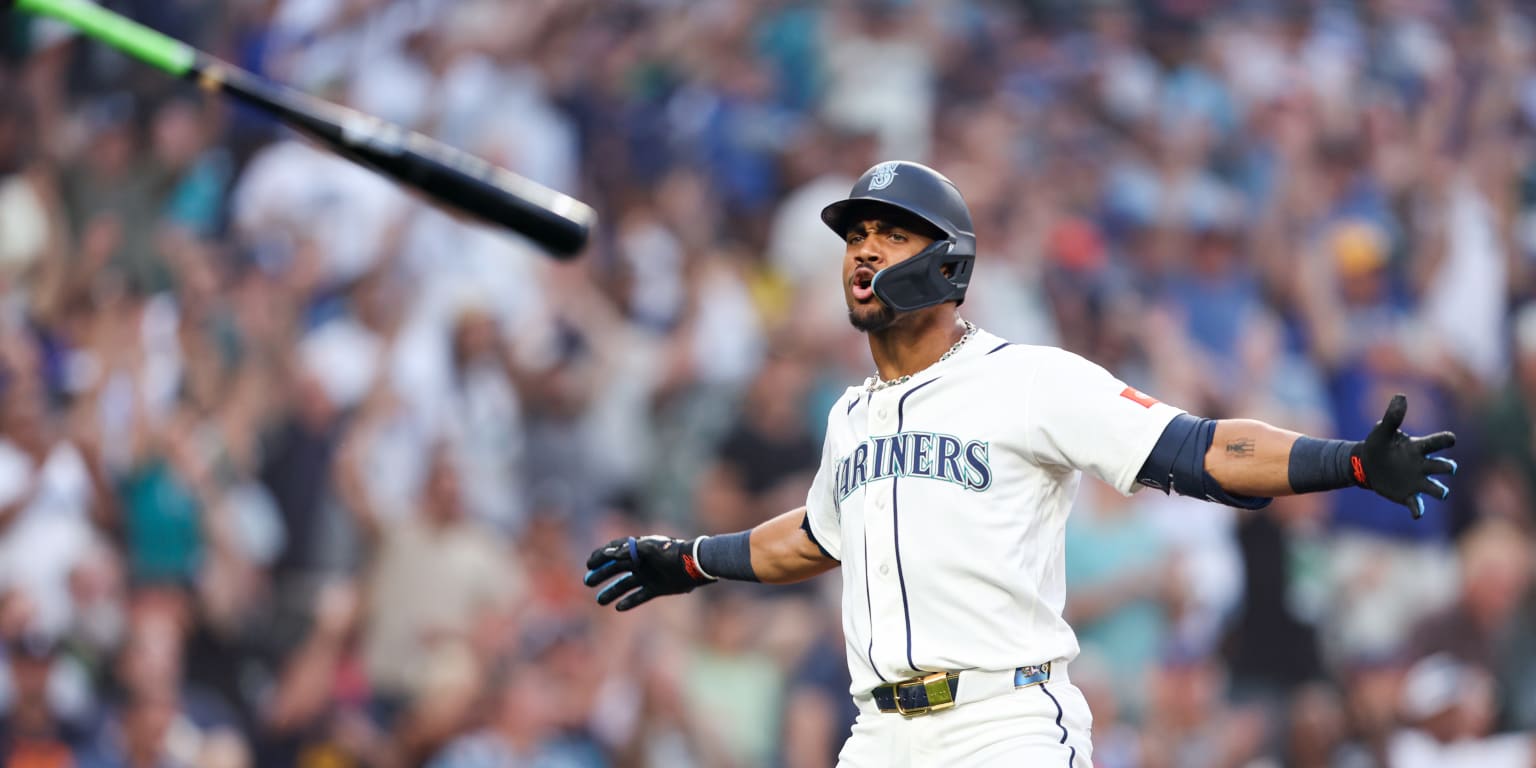
Julio Rodríguez stepped into a 3-1 count Wednesday night with the bases loaded and the Mariners mired in a 15-inning offensive silence. The Tigers had just intentionally walked Dominic Canzone to set up a righty-on-righty matchup against a reliever; on paper, the math looked defensible. In execution, it looked like a miscalculation. Rodríguez ripped a sinker 366 feet into right field for a three-run blast, ending Seattle's drought and propelling the Mariners to a 4-2 win. The decision to pitch to him felt especially puzzling given his mid-August form: though he entered the day slashing .255/.318/.413, Rodríguez has a documented second-half surge pattern post-Trade Deadline across multiple seasons.
The more pressing variable, however, is Bryan Woo's matchup history at T-Mobile Park. The Mariners righty has been a two-track pitcher all season—a dominant home performer (7-0, 1.96 ERA in 10 starts, opponents batting .164) and a fragile road starter (1-8, 6.71 ERA on the road with a .300 batting average). His July was especially brutal on the road, where he surrendered five runs in five innings against the Dodgers despite striking out eight. Wednesday's seven-inning, no-run outing was precisely the corrective performance the Mariners needed after that month-long away-game tailspin.
What matters for future matchups: Woo's home-field edge is not marginal noise—it's a structural split that has held across the entire 2026 season. The .136-point gap between his home and road batting average allowed is one of the steeper pitching dichotomies in the league. That makes his next home start a reliable bullish signal for unders on opposing team totals, particularly against lineups that don't have established success in Seattle's ballpark. Conversely, when Woo pitches on the road, the market should already be pricing in elevated run-scoring risk; bettors looking for value should fade unders in those starts.
Rodríguez's individual spike—one clutch opposite-field blast in a high-leverage spot—is unlikely to spark a sustained run. Single dramatic moments, even three-run homers, don't move underlying xBA or exit velo enough to warrant prop-line adjustments beyond one or two games. However, the pattern embedded in his second-half history is durable. If the Mariners face an opponent that permits below-average exit velo in the opposite field, or if the trade deadline signals another stretch run, Rodríguez's HR rate tends to tick upward through September. That pattern persists across years and holds predictive power beyond individual games.