Pederson's Leadoff Resurrection Exposes Rangers' Offensive Fragility
By PropBetEdge Editorial Team ·
A career .237 hitter who bottomed out last year is now slugging from the top of the order, and Texas's sputtering lineup is riding his sudden power surge.
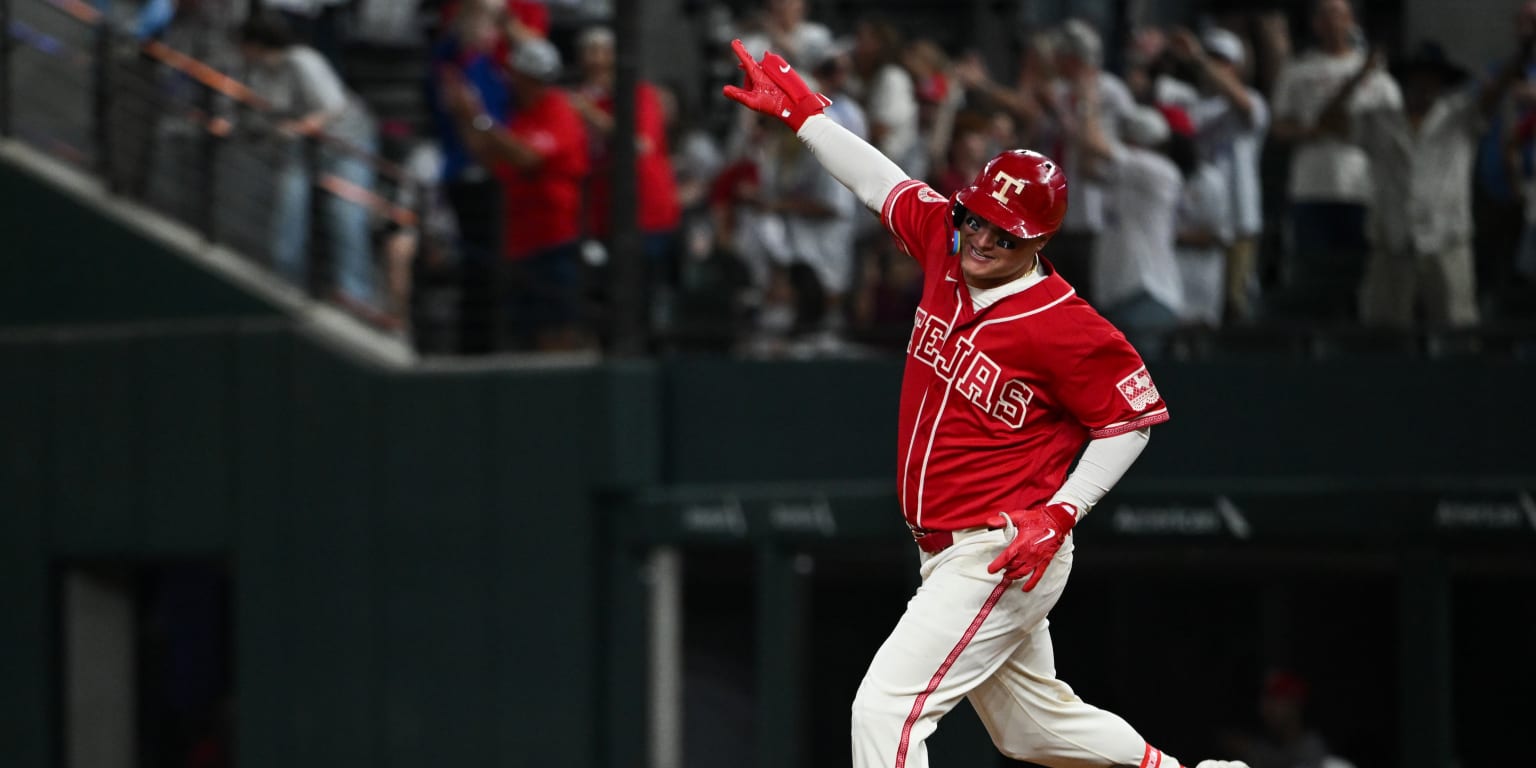
Joc Pederson's 2025 campaign was historically bad: a .181 average, dead last among 277 qualified hitters, a .613 OPS that looked like a career death sentence. Into May 2026, the then-34-year-old hadn't recovered. Through 37 games this season, he was hitting .225 with 25 strikeouts and five extra-base hits—same disaster, different year. On May 12, Skip Schumaker moved him to leadoff. Since then, Pederson has posted a .263/.382/.614 slash with a .996 OPS, six homers, and 13 strikeouts across 69 plate appearances. His .382 on-base percentage ranks fifth among DHs; his power output (six longballs from the leadoff spot) ties for the most among hitters batting first.
The mechanics of his recovery are straightforward enough. Pederson's career identity has always been on-base ability mixed with occasional pop—his 2024 season in Arizona saw him reach a .393 OBP. His 2025 failure was an outlier, not a preview. What changed operationally: he's averaging 3 at-bats per game from leadoff versus 2.4 from the five- or six-hole, and that rhythm matters at 34. Schumaker was explicit about the impact: "It's tough to get into the rhythm in the five- or six-hole." More at-bats compound consistency, especially for a hitter whose calling card is pitch recognition. Pederson himself deflects credit from position, attributing it to feeling mechanically sound again—"just started feeling good"—but his manager sees a structural unlock: more plate opportunities, cleaner offensive sequencing, and a leadoff hitter who can actually reach base and produce slugging numbers.
The deeper story is what this says about the Rangers' overall offensive picture. Texas is desperate. A franchise that won the World Series two years ago is underperforming, and they're now leaning on a 35-year-old DH to generate consistent lineup energy from the leadoff spot. That's not a long-term solution; it's a short-term patch. Pederson's turnaround is real—his underlying metrics (walk rate, strikeout rate, slugging since May 12) are stable enough to suggest it sticks—but it also highlights how thin the Rangers' offensive depth has become. One hot streak from one aging veteran is front-page news because the alternatives have failed.
For bettors, the angle is straightforward: Pederson's plate appearance rate from leadoff is a hard floor. He's getting 3 ABs per game versus 2.4 previously. That structural shift means his individual volume props (strikeouts, walks, plate appearances) have real daily variance on the upside, and his team's scoring projection benefits from an extra 0.6 at-bats per night from a hitter now running a .996 OPS. The 19-game sample is small, but the mechanism—more opportunities in a role that suits his skill set—is durable. His .382 OBP since May 12 is only 10 points above his career average (.798 OPS matches his career baseline), so the market hasn't been blind to his improvement. What it may not have priced is the structural advantage of leadoff usage: his strikeout rate has dropped to 18.8% in that span versus 28.5% before the shift, a meaningful compression tied to rhythm and pitch selection. Walks have jumped from 7.2% to 15.9%—a doubling of the best version of his game.
The Rangers' run-scoring projection should tick up slightly when Pederson bats first, not because he's suddenly elite, but because he's now getting 150+ more at-bats per month than he was hitting in the lower order, and his OBP is approaching career norms. Team totals in games where Pederson bats leadoff and the Rangers are favored can drift lower than they should, especially in early weeks when the market hasn't fully calibrated the extra at-bat advantage. That edge compresses as the sample grows and Vegas adjusts, so it's available now in the next 3-5 weeks before the leadoff role becomes fully priced.