Irvin's Shoulder Strain Opens Rotation Uncertainty for Nationals
By Erik Schwartz ·
Jake Irvin's mid-inning exit in Atlanta triggers a 15-day IL stay and forces Washington to recalibrate its pitching depth during a critical stretch.
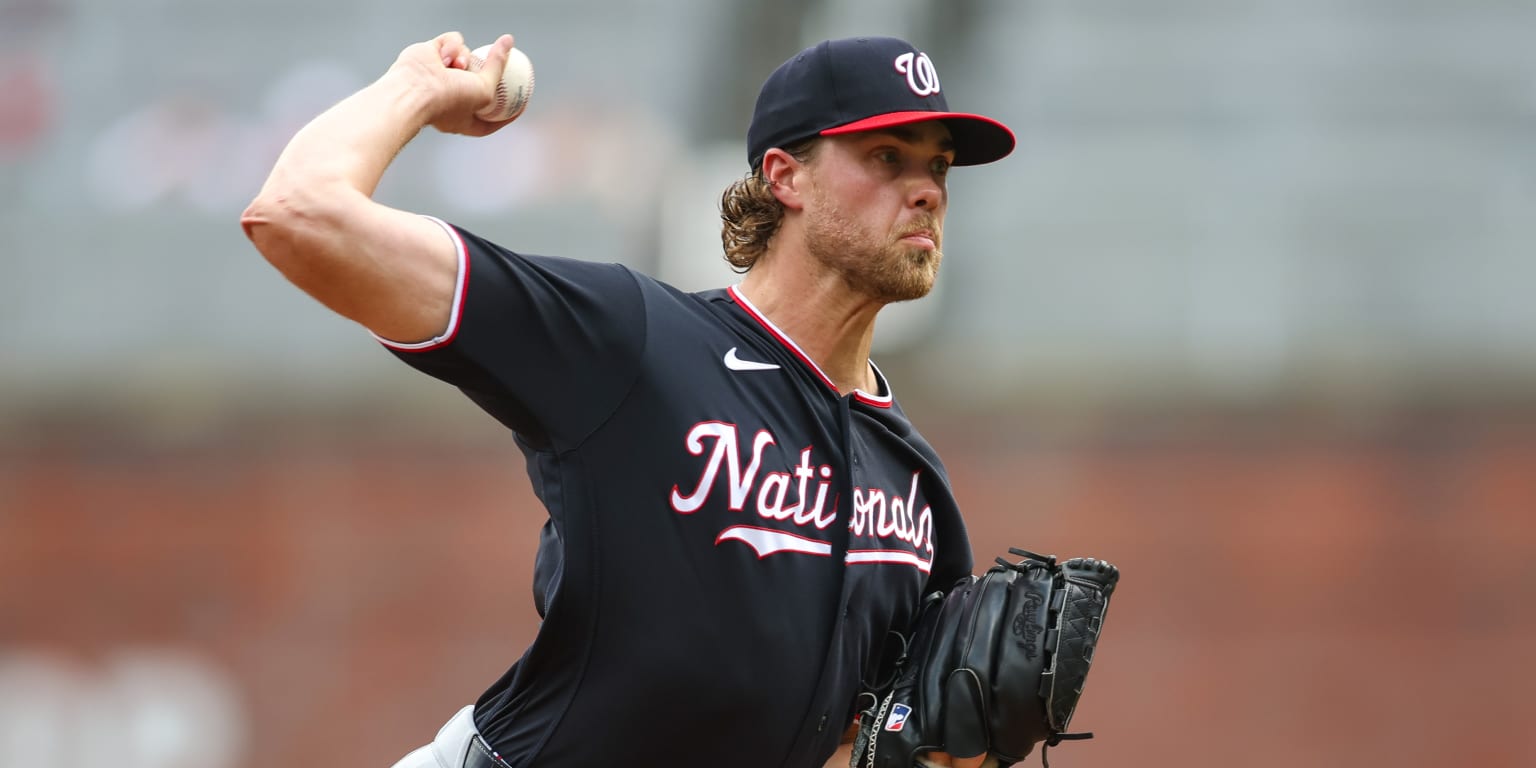
Jake Irvin has been placed on the 15-day injured list with a right shoulder strain after leaving Saturday's game against Atlanta in the middle of the sixth inning. The Nationals right-hander felt tightness on a warmup pitch and underwent an MRI that confirmed the diagnosis. The good news: both Irvin and manager Blake Butera expect a minimum IL stay, with no indication the injury threatens long-term durability. Irvin will be shut down from throwing for two days before resuming a carefully monitored progression.
Irvin's timing is particularly rough. He was dominant before the injury—five scoreless innings, seven strikeouts, one walk on 80 pitches—and earned the win in Washington's 2-0 victory. The Nationals still have to navigate a three-game series in Cleveland and an off-day before Irvin's next rotation turn would arrive, giving the team a narrow window to decide whether to skip his spot or push back the assignment. Butera hasn't committed to either path yet, which suggests the club is monitoring his recovery status before making a final call.
The roster move brings back left-handed reliever PJ Poulin from Triple-A Rochester, where he posted a 3.32 ERA over 23 appearances with five starts and five saves. Poulin offers depth on the bullpen side and gives Butera another arm for leverage situations, though his return underscores how thin Washington's relief depth had become. Poulin last pitched for the Nationals on May 18; his ability to slot into high-leverage spots immediately matters more than his spot-starter role.
For prop purposes, the rotation uncertainty creates a short-term forecasting problem. Irvin's 5.23 ERA across 11 starts this season already sits well below league-leading pace, and any prolonged absence tilts the Nationals' pitching exposure toward less predictable arms. More immediately: if Irvin returns within the minimum 15 days, his first outing post-IL will carry elevated volatility. Pitchers returning from shoulder tightness often manage innings limits and may pitch on altered mechanics during a ramping period. The market will likely price Irvin's strikeout and innings props conservatively on his first start back, assuming either abbreviated usage or reduced velo. If you're tracking Nationals rotation props through the next two weeks, monitor whether the team opts to skip Irvin's turn entirely—that scenario moves a less-vetted arm into a high-leverage start, which typically correlates with higher strikeout variance and lower pitch efficiency.