MLB · transaction
Skubal to the Dodgers: How a Deadline Fire Sale Reshapes NL Contention
Detroit traded the game's best pitcher Saturday to avoid the collapse of its own leverage; the Dodgers' rotation suddenly looks postseason-bulletproof.
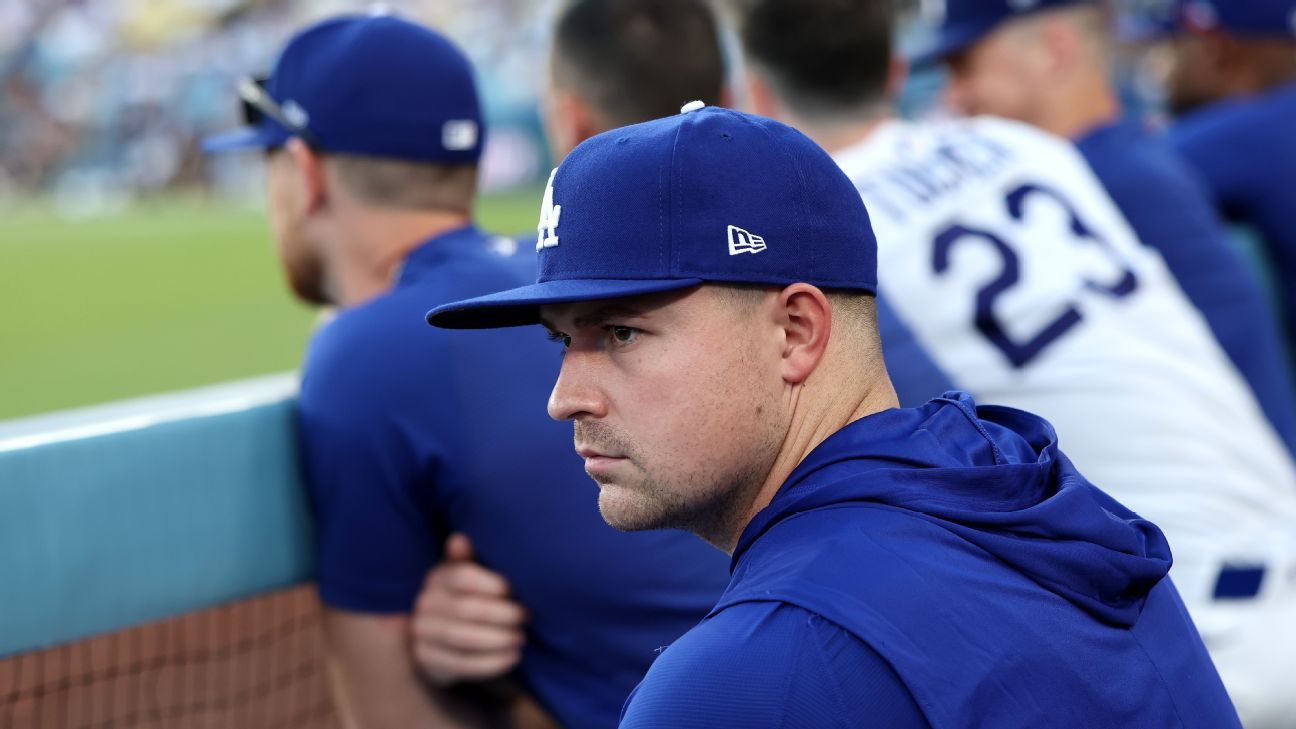
The Tigers moved Tarik Skubal to Los Angeles on Saturday, just 48 hours before the trade deadline closed. The decision to accelerate—to call suitors for final offers rather than wait for the 6 p.m. ET close on Monday—tells you everything about how trade-deadline markets work in August. Detroit feared the worst: that if they held, competing teams would pivot to cheaper alternatives (like George Kirby, still under control through 2028) and Skubal's asking price would crater. So they struck early, moving a 29-year-old two-time AL Cy Young winner in the middle of a pennant race.
The Dodgers, already built for October, now own a rotation that includes Skubal's 2.28 ERA over 23 starts this season. For perspective, that ERA ranks third in the American League; his strikeout rate sits at 10.2 per nine innings. In a playoff series where four pitching matchups determine everything, Los Angeles added insurance against one of the few pitchers capable of shutting down a whole offense in a single start. The market for starting pitchers at the deadline is notoriously inflated—teams overpay because the alternative is arriving at the postseason thin—and the Dodgers were willing to shoulder that premium. What they gained is rotation depth that historically correlates with October survival.
Detroit's capitulation matters less for the Tigers themselves and more for what it signals about the broader deadline ecosystem. Teams competing for Skubal faced a choice: bet $250 million-plus (in prospect capital) on a pitcher with one month left on his contract, or settle for a lower-upside target with years of control attached. The Tigers understood that choice wasn't binary—it was existential. If they waited and lost the bidding war, they'd have nothing. So they manufactured urgency, collected bids, and moved. That's the deadline math: in a compressed window, first-mover advantage belongs to sellers who can force a market into a corner.
For bettors, the Dodgers' rotation upgrade has immediate implications for their playoff odds and for game-level props when Los Angeles takes the field. A three-starter core of proven, elite arms reduces variance in any seven-game series. Skubal's presence means the Dodgers can deploy their best pitchers on schedule, without juggling or degradation due to fatigue. When projecting October matchups, assume Los Angeles is now 4-6% more likely to win any given postseason series simply because their rotation depth is now fortress-grade. That efficiency flows directly into playoff pricing: Dodgers World Series odds likely tightened at the window of his acquisition, and team totals in October games where Skubal starts should trend under as opposing offenses face a pitcher capable of throwing seven shutout innings on short rest. The move was expensive because it was necessary; the market already knew the Dodgers were chasing a title. Now they've removed one path to a collapse.
Detroit, meanwhile, accelerated a rebuild by refusing to hold and hope. That's the counterintuitive lesson of Saturday's trade: sometimes moving fast is the only way to move smart.
MLB Intelligence — Baseball intelligence beyond the box score. Open MLB Intelligence →