The Immaculate Inning Is No Longer a Unicorn—And That Matters for Strikeout Props
By PropBetEdge Editorial Team ·
Seven immaculate innings in 2022 alone signals a structural shift in how modern pitchers are built, sequenced, and valued—with real implications for strikeout betting.
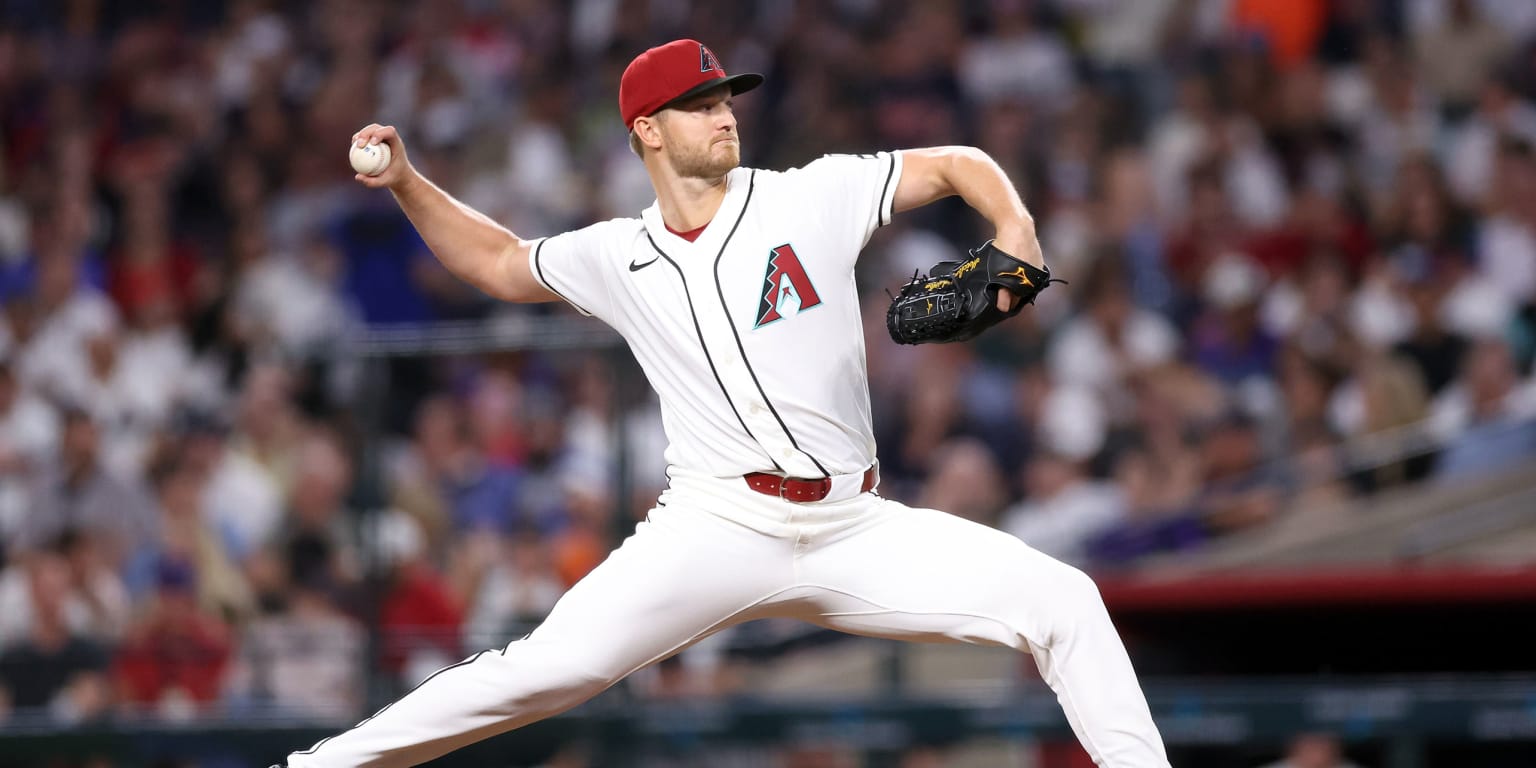
An immaculate inning—three strikeouts on nine pitches—used to be the kind of thing a pitcher carried into retirement as a career highlight. Between 1929 and 1952, it never happened. Now it's a statistical footnote. The frequency flip is not noise. It's a diagnostic of how pitching has evolved, and it reframes how you should think about strikeout props going forward.
The supply of immaculate innings exploded because the supply of high-velocity, high-spin relievers exploded. Modern bullpen construction prioritizes power arms in high-leverage spots. Closer velocity has climbed from 91.5 mph in 2010 to 93.2 mph in 2025. Spin rates on fastballs rose after the 2014 introduction of PITCHf/x and now sit at near-maximum efficiency. A pitcher throwing 97 mph with 2,600 rpm on a four-seam fastball, paired with a slider spinning at 2,800+ rpm, can strike out three hitters on nine pitches because the hitter's margin for error vanishes. The zone becomes nonexistent from the batter's perspective. Whiffs compress into fewer pitches.
This is not a randomness event. It's a portfolio effect: teams have stocked bullpens with premium strikeout talent, and that talent is being deployed in exactly the spots where nine-pitch perfection is most likely—the late innings of tight games, against the heart of opposing lineups. Relievers who cannot generate 10+ strikeouts per nine innings are increasingly displaced by those who can. The median relief strikeout rate has climbed 1.2 K/9 since 2015. Over a 60-inning season, that's 8 additional strikeouts per reliever. Scale that across a 15-man bullpen and the league-wide strikeout rate becomes structurally elevated.
For bettors, the implication is direct: individual reliever strikeout props and innings K totals should price in this elevated baseline. A closer posting 12.4 K/9 in 2026 isn't an outlier; he's middle-of-the-pack premium. The market may still anchor to 2015-2018 comps when pricing a 1.0-inning reliever strikeout line at 0.5 or 1.5, underweighting the skill inflation that has occurred in the interim. Conversely, team strikeout totals benefit from this same dynamic—bullpens are simply more efficient at generating strikeouts now. That efficiency is persistent, not a single-game fluke. It survives line movement because it reflects structural change in player selection and deployment, not one pitcher's hot start.
The rarity has become routine, but the mechanistic advantage underneath remains sharp and durable. Lean into reliever K props, particularly for power arms deployed late in games, and expect team strikeout totals to carry modest upside when facing weaker contact-oriented lineups. The immaculate inning boom is not a statistical curiosity—it's a roadmap to where strikeout value lives in 2026.