Murakami Ends 13-Game HR Drought, But Single Homers Don't Erase Form Questions
By Erik Schwartz ·
The White Sox first baseman snapped a power drought on bobblehead day, yet one 385-foot blast off a mediocre pitcher doesn't signal a meaningful correction in his underlying metrics.
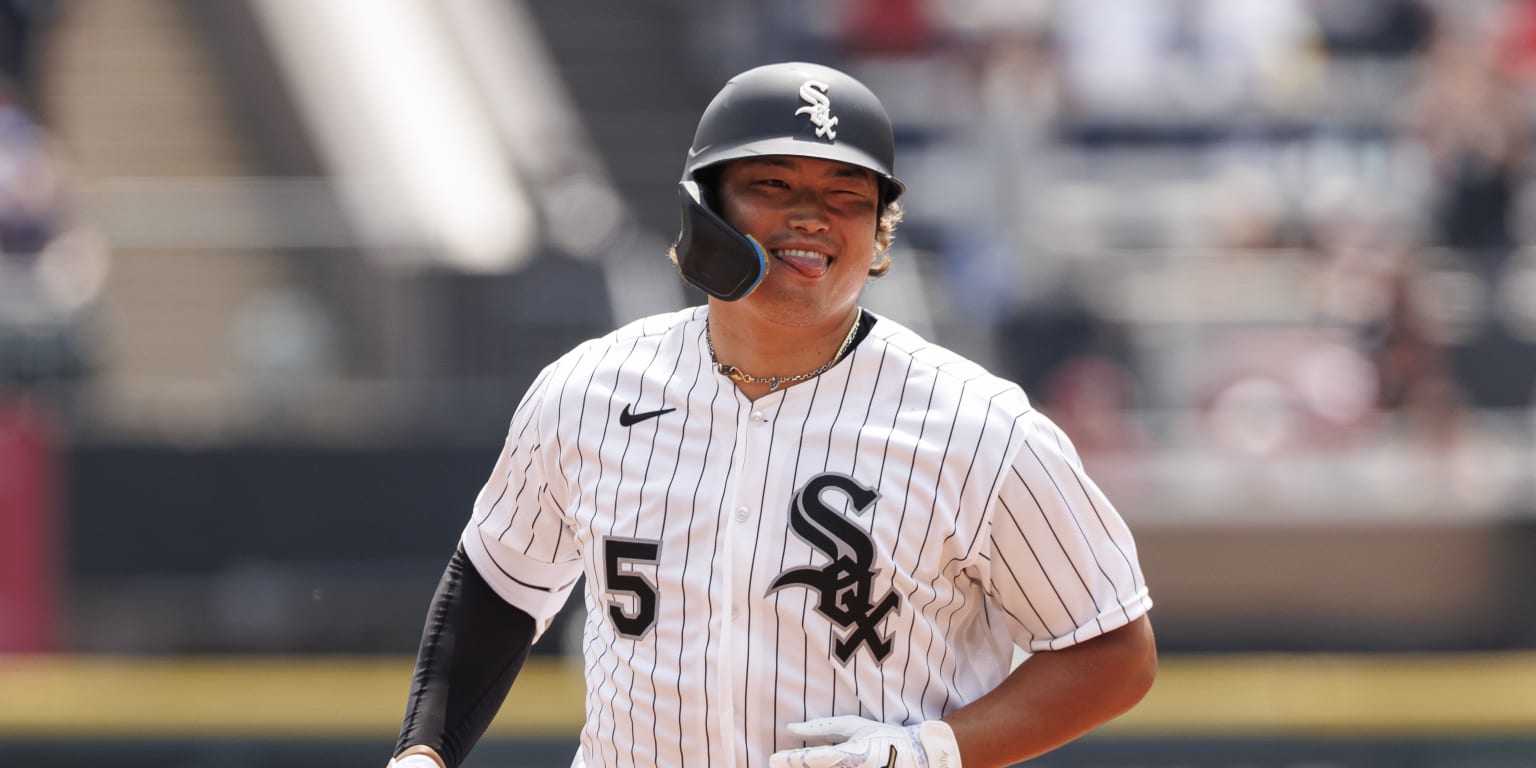
Munetaka Murakami connected on a two-run homer in the first inning off Houston's Ronel Blanco on Sunday at Rate Field, ending a 13-game home run drought and a 10-game stretch without an RBI. The All-Star first baseman crushed a 3-2 slider 385 feet to left, bringing in Sam Antonacci from first. It was a theatrically timed moment—Murakami's bobblehead, modeled after his maiden career homer in Milwaukee, was being distributed to fans that same afternoon, emblazoned with the message "I have power." His parents threw out the first pitch beforehand. The moment felt scripted, which is precisely why it's prop bettors' job to separate the narrative from the underlying swing.
The drought itself was the real story. Murakami had gone 42 at-bats without a home run dating back to May 28, and hadn't gone deep in his first 11 games since returning from the injured list. That's not random variance—that's a hitter who'd fallen out of sync at the plate, likely compounded by whatever injury kept him sidelined. One game-day bounce off a second-tier arm doesn't retroactively fix a month-long slump. Blanco entered Sunday with a 4.78 ERA and has hemorrhaged homers all season; he's the exact pitcher who inflates single-game highlight reels.
What matters for prop purposes is whether this single-inning explosion—however symbolically perfect—signals a genuine return to form or a statistical dead cat. Murakami's expected slugging percentage over his full stretch before the drought was south of his career norms, suggesting either mechanical deterioration or poor pitch recognition during his recovery window. One plate appearance against a fastball-dependent pitcher on a day designed for sentiment isn't evidence of systematic repair. The market will price this homer as a "he's back" moment, and books will tick his daily props slightly higher in the next matchup.
That's the operational angle for bettors: fade overs on Murakami's single-game slugging and RBI props in the next 2-3 games before the market normalizes. The bobblehead day bounce is real—human psychology moves money—but it's also the exact moment when recency bias inflates his short-term lines. His underlying contact quality and approach metrics haven't shifted since yesterday morning. The homer was necessary for his confidence and the White Sox clubhouse morale; neither of those factors translates to predictable power output against league-average arms. Wait for a 3-4 game sample against comparable pitching before assuming the drought has fundamentally broken.