Phillies' Platoon Pivot Reshapes Outfield Math—and Betting Approach
By Ty Whitney ·
Philadelphia's revamped outfield deploys matchup-based lineups that will compress at-bat volume for prospects while anchoring Brandon Marsh as the only true everyday starter.
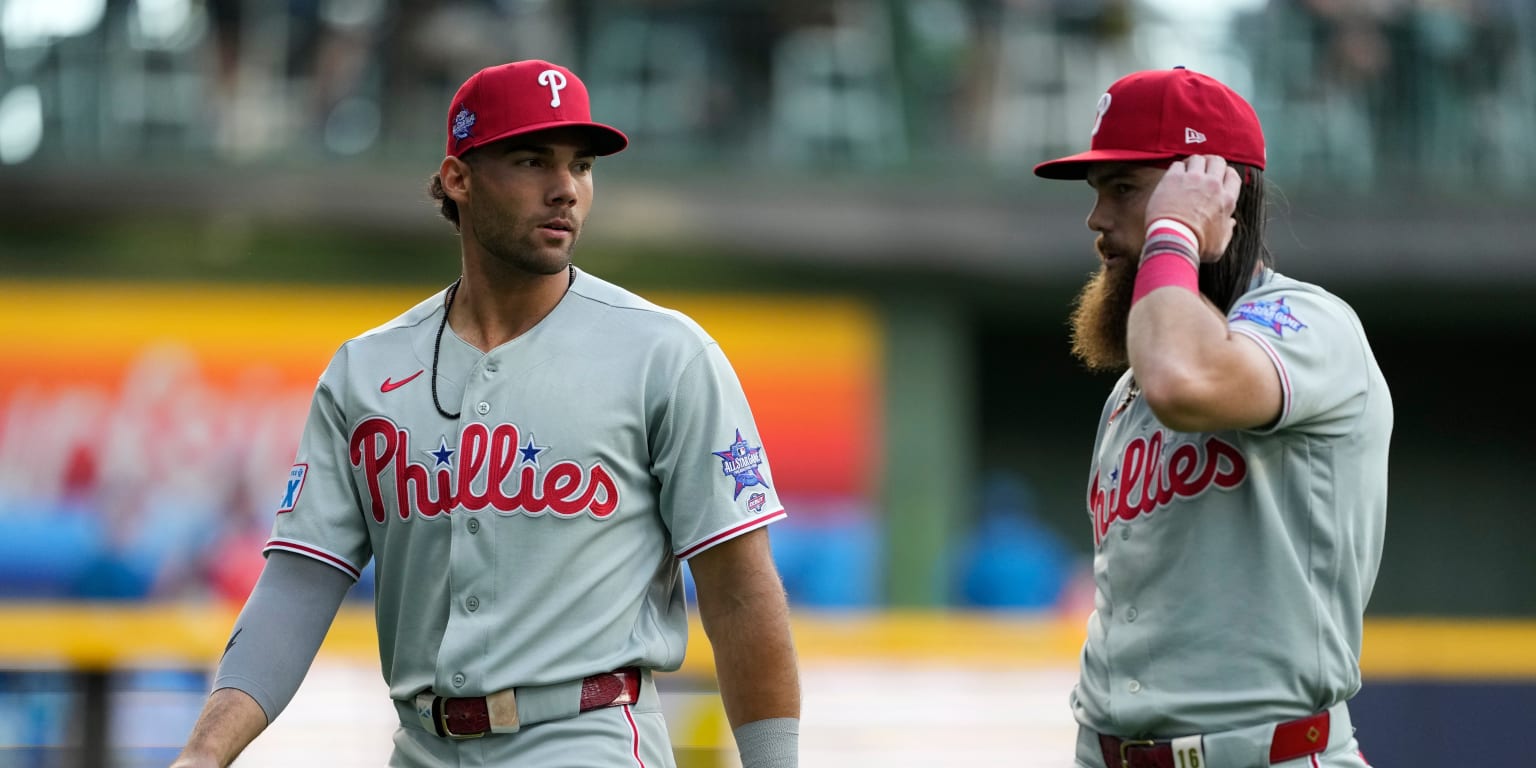
The Phillies return home this week with their outfield gutted and rebuilt. Adolis García is out for the season, Derek Hill arrived via trade from Chicago, and prospect Gabriel Rincones Jr. got the call after working through a delayed spring. Interim manager Don Mattingly has mapped a strict handedness-based deployment: Brandon Marsh stays in the field every day (alternating left and right), with Crawford and Rincones as the right-handed platoon, and Hill and Edmundo Sosa splitting left-handed duty.
That structure has immediate ripple effects for betting. Marsh becomes the only guaranteed lineup fixture—his plate appearance total will be stable, but his team's offensive production in any given game now hinges on matchup-driven platoons. Crawford gets roughly 450-500 at-bats annually (Mattingly's own comparison), which means he'll see action in approximately 75% of games where a right-hander starts. Rincones, despite the organization's long-term confidence, enters a rotation where he plays maybe four days per week against righties. Neither young hitter gets the developmental runway of regular volume, and that matters for projecting batting average, strikeout rate, and RBI output across a month or a season.
Crawford's early returns offer the sharpest angle. He's hitting .227/.286/.325 (.611 OPS) through 210 plate appearances, with only 32 at-bats against left-handed pitching—where he's 4-for-28 with zero extra-base hits. Mattingly openly concedes the platoon will slow Crawford's maturation against southpaws but frames it as protective: give him wins now, let him grow into tougher matchups later. That calculus favors his right-handed splits, not his left-handed ones. For bettors tracking Crawford props (hits, runs, RBIs), the composition of the opposing rotation becomes a first-order predictor. A series against four left-handers? Crawford's workload shrinks, and his volume props shrivel accordingly. A week of right-handers? Full playing time resumes. This isn't a star's usage question—it's a structural constraint that won't fade as the season progresses.
Rincones' trajectory presents similar friction. He arrived with leg issues that cost him spring reps and made his debut against Jacob Misiorowski, arguably baseball's most dominant pitcher. The Phillies have him penciled in as a major-league contributor, but the platoon system caps his runway at roughly 300-350 at-bats annually if he stays healthy and consistent. That's enough to matter for a full-season prop slate, but not enough to justify betting him as a volume play in any single week. His strikeout rate, especially early, may spike from limited repetition and matchup stress; his RBI line could surprise downward simply because he won't bat in high-leverage spots as often as a regular starter would.
Marsh, by contrast, becomes a stability play. He's in the lineup every night regardless of opponent, which makes his single-game props and streaks more predictable than his platoon-mates. But the Phillies' overall offensive shape now depends on which relievers face which lineups—Hill and Sosa might bat 0-for-4 combined in a right-heavy game, while Crawford and Rincones could drive in multiple runs in the same contest against a left-handed starter. This volatility inflates Phillies team totals (overs become trickier to predict because the actual composition of the lineup swings game-to-game) and favors props keyed to specific matchups rather than season-long averages.