Polanco's DH Future Masks a Deeper Mets Lineup Problem
By PropBetEdge Editorial Team ·
A $40 million first-base investment pivots to the bench as the Mets bet on Polanco's bat over his defense—but a hobbled ankle and a .179 start complicate the math.
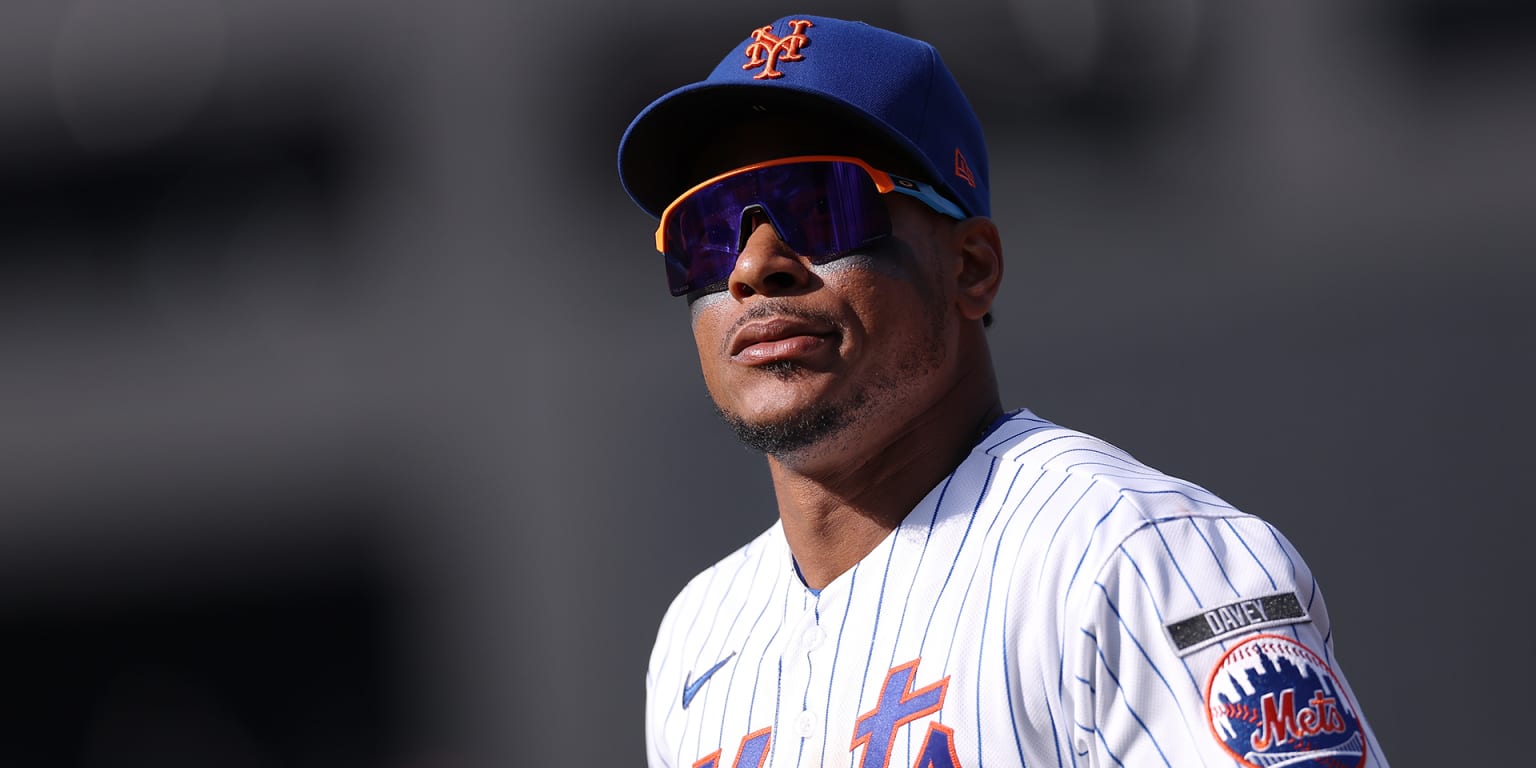
Jorge Polanco began his Mets tenure the way many injury-prone acquisitions do: on the shelf. Signed to a two-year, $40 million deal last offseason to anchor first base in place of Pete Alonso (who decamped to Baltimore), Polanco played exactly one game—a 0-for-4 outing on April 14 against the Dodgers—before a right wrist contusion and left Achilles bursitis landed him on the 10-day IL on April 18. He has not appeared in a major league game since, and his pre-injury line sits at .179/.246/.286 with two RBIs. The Mets have cycled through six different first basemen in his absence, with Jared Young holding down the position as a semi-regular.
Now, with his wrist healed and his Achilles pain described as "tolerable," Polanco is grinding through a second rehab assignment at Triple-A Syracuse. His first attempt in late May was cut short on June 6 when lingering Achilles issues surfaced again—a timeline that matters for understanding what comes next. Polanco went 0-for-3 with a strikeout in his first rehab game on Saturday, a reminder that the bat lags behind the legs. When he clears this assignment and returns to the Mets, the team has already decided his role: designated hitter, not first base. That's a structural admission that his defense cannot be trusted, and it also signals that the Mets value his potential offensive contribution enough to find him at-bats elsewhere on the roster.
The pivot from first baseman to DH is not unusual for aging or injury-stacked players, but it reorders the Mets' lineup construction. Young, who has been the primary first-base recipient, likely keeps that job. Polanco slots into a DH platoon or regular role depending on his recovery arc and offensive re-entry. Neither outcome is automatic. His .179 start, while compressed into a single game, tracks with Polanco's broader pattern: he is a feast-or-famine hitter with long recovery windows after injury. In 2023, after a wrist injury derailed his season with Minnesota, he posted a .237 ISO but struck out at a 27% clip in his first 50 plate appearances back. The Mets' timeline—Polanco says no specific return date exists, only "more rehab games"—suggests late July or early August is realistic, not imminent.
For prop bettors, Polanco's eventual return does not trigger a clean edge; rather, it adds volatility to Mets offensive output once he does play. If he clears rehab in early July and returns as a semi-regular DH, the team's run-production line likely moves higher than it sits today, simply because a $40 million bat entering the mix is non-zero. However, the first 50 plate appearances will be a noise phase. His strikeout rate will be elevated, his contact quality compressed. Fade individual Polanco props (hits, RBIs, runs) until he has logged 30+ games back and stabilized; the variance is too high, and the market will overcorrect to both his signing bonus and his current return. Instead, watch the Mets team total spread once his activation is announced. The move upward will likely be modest (0.5 to 1 run per game), and that modest bump contains the edge: books will lean into the "star player returns" narrative while understating the injury-comeback reentry curve.
Polanco's own words—"we have to go out there and try to turn the tide"—reflect a player aware that he has not yet earned his contract. Until he does, he remains a bet-against proposition on individual nights, and a cautious monitor for team totals when he finally plays.