Mets Deadline Strategy Hinges on a Pitching Gamble That Hasn't Materialized
By Ty Whitney ·
With Freddy Peralta unlikely to fetch premium value and no expiring deals worth moving, New York's front office faces a standstill decision that could crater playoff odds.
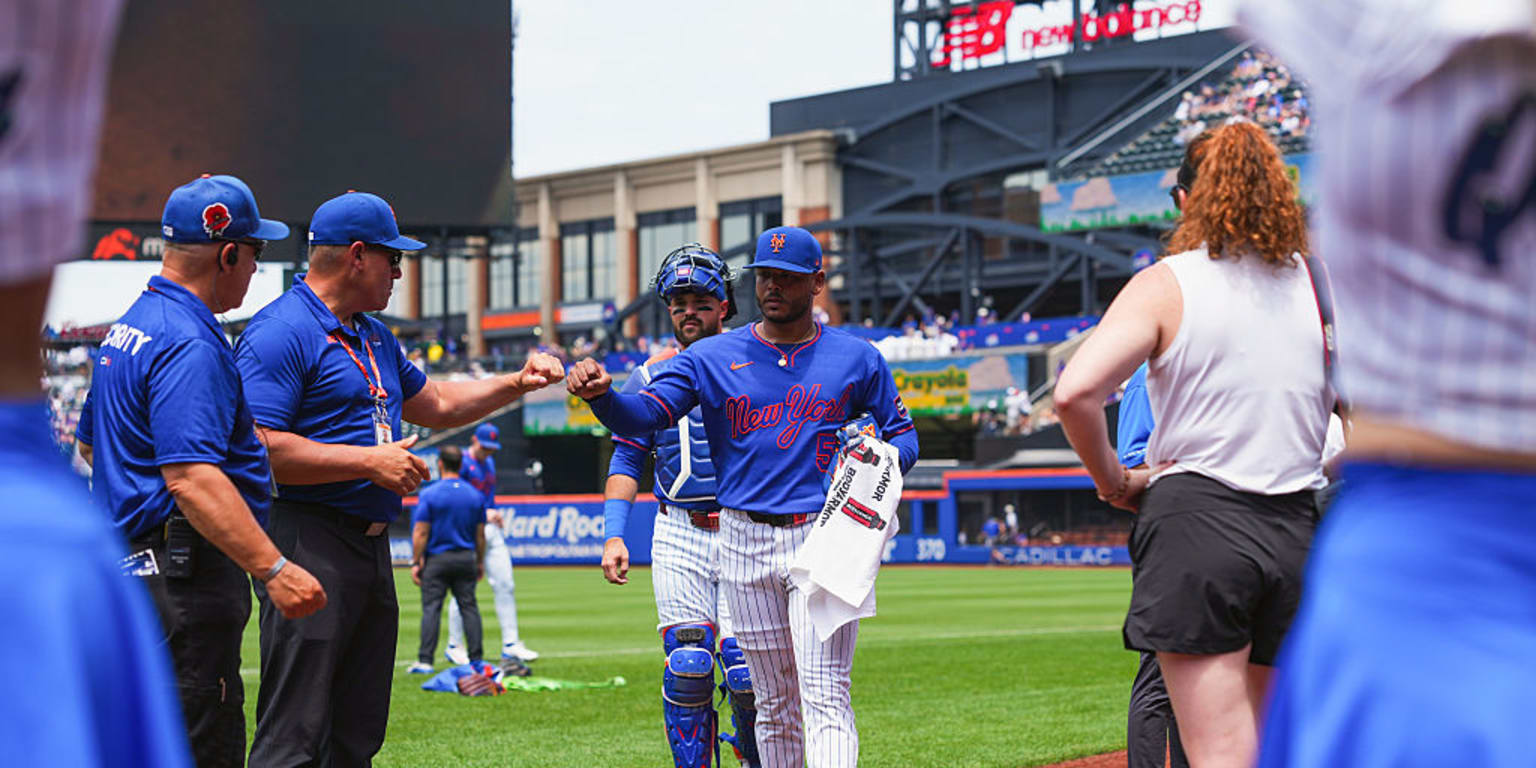
The Mets are three weeks from the trade deadline and have almost nothing to sell. That's not the setup for a team clawing back into contention—it's the template for a front office painted into a corner. Per MLB.com's Anthony DiComo, the organization's hand is weak: outside of Freddy Peralta and Brooks Raley, there are no expiring contracts that yield meaningful return value, and the under-contract core (Luke Weaver, Devin Williams) represents the infrastructure needed for 2027. Moving those pieces would constitute organizational surrender. The Mets have signaled no appetite for that path.
What happened to the 2023 firewall strategy? That year, the Mets traded away assets knowing they'd miss the window. The math was clean: liquidate, reset, rebuild around youth. This year the math is broken. The roster isn't good enough to compete, but the front office won't admit it publicly—and the sunk cost of the Juan Soto contract ($765 million over 15 years) makes that admission politically impossible. So they sit. They hold. They hope August looks different from June. That hope has a name: Peralta. The right-hander has been a disappointment, his value eroded enough that even a mid-market team might hesitate before giving up meaningful prospect capital. Unless Peralta starts pitching "much better very soon," per DiComo, the Mets will enter the deadline with no leverage.
The organizational psychology here is the real story. The Mets recognize they're outclassed; the Knicks' playoff run provided a local contrast that stung. Yet they're not equipped to trade their way out of the hole because the only tradeable piece (Peralta) is underperforming. This forces a calculus: do you hold Peralta hoping he rebounds for a playoff push, or sell low and take whatever comes back? The Mets are trending toward inaction—the default position of a team that's already lost the offseason but hasn't lost enough to justify full-scale demolition.
For bettors, this translates directly to win-total exposure. The Mets' current trajectory suggests they'll finish somewhere between 78–84 wins—a band that overlaps with their pre-season over/under at most books. The deadline inaction signal matters because it removes a potential catalyst for change. Teams that make moves (even marginal ones) create momentum, inject competition into the clubhouse, and give the media a narrative hook. The Mets are choosing the opposite: continuity, which in June looks like stagnation by September. If you took the under on the Mets' season total before this reporting, you've got structural validation. If you're considering it now, the lack of front-office urgency reinforces the bearish case—not because the team is irredeemable, but because the people who know the roster best have signaled that they're not confident enough to upgrade it.
Soto is a lock for the All-Star Game, which matters less for team projection than the fact that he's the only Mets player earning that nod speaks volumes about roster construction. Brazobán and Weaver could make the team, but neither is a closer archetype that the All-Star voting process favors. The Mets' star player deserves the honor. The rest of the roster doesn't merit individual recognition, and that collective weakness won't be fixed at the deadline.