Judge's Cracked Rib Reshuffles Yankees Offense; Lean Unders Until September Call-Up Materializes
By PropBetEdge Editorial Team ·
Aaron Judge's two-month absence forces New York to gamble on unproven depth—and the math says their run-production floor drops sharply.
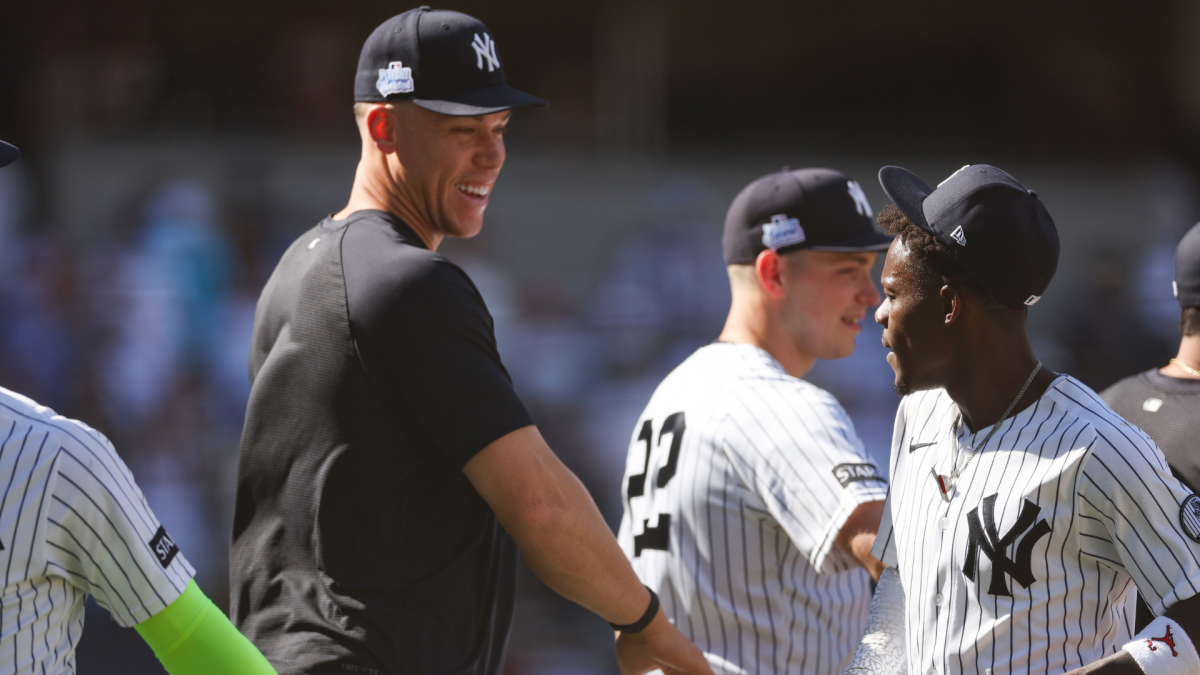
Aaron Judge is out until at least August with a cracked rib, leaving the Yankees (38-26, first in AL East) to navigate the next six-to-ten weeks without their captain and offensive engine. The timing is brutal. Judge's absence lands squarely in the July trade-deadline window when Cashman faces a choice: sell off prospects and bullpen pieces to upgrade an incomplete roster, or bet that internal fill-ins can keep the team competitive enough to stay in the race. So far, the evidence is not kind. Over five games without Judge, the Yankees are 2-3, averaging 3.8 runs per game—a precipitous drop from their season baseline.
The offense has become ordinary. Against Sonny Gray (a pitcher Gray himself said was throwing without his best stuff), the Yankees managed three runs. Two games later, they scraped together six hits and one run across 6⅓ innings from Ranger Suárez before a desperate five-run eighth salvaged the line. Since 2022, the Yankees are 14 games under .500 when Judge sits—a 54-win pace if extrapolated across 162 games. That's not a roster that makes October runs. The internal options tell you why. Spencer Jones, the 6-foot-7 power-speed prospect, carries a 32-35% strikeout rate (depending on the year) and has struggled to consistently barrel baseballs against major-league velocity. Cody Bellinger (.273/.373/.476, .849 OPS) is solid but replacement-level; Jazz Chisholm, Jazz Chisholm has started slow. Jasson Dominguez is still on a rehab assignment. None of these names inspire confidence that the Yankees' offense spontaneously finds 1.5-2 runs per game without altering the roster.
This is where the prop edge emerges. The Yankees' team totals—and individual hitter strikeout props for their secondary pieces—are being priced as if the team's underlying offensive structure remains intact. It doesn't. Judge doesn't just add 0.4-0.5 runs per game to the Yankees' output; he fundamentally changes opponent pitch selection, coverage angles, and baserunner advancement rates. When he's gone, pitchers attack earlier in counts, infielders play closer, and the cascade of walk and stolen-base opportunities shrinks. The market has already adjusted Yankees moneyline odds and win-total expectations, but the granular hitting props—strikeout rates for Bellinger, Chisholm, and especially Jones; team total overs at 4.0-4.5—have not fully repriced downward to reflect the duration and severity of Judge's absence.
The Yankees will not add significant offensive talent at the deadline if internal depth shows resilience over the next month. Cashman's public messaging—"we got a good club, regardless"—is cover for the reality that mid-market trades for aging bats are expensive and rarely move the needle. The club will limp forward on Bellinger's secondary power and hope for Jones' adjustment. But a lick here: until either a September call-up produces (Dominguez healthy, a prospect-for-prospect flip lands a hitter), Yankees team totals under 4.5 and over-dependent hitter strikeout props should be viewed as reliable fades. This is a persistent edge, not a one-game outlier, because Judge's absence spans two calendar months and the replacement crop is structurally weak.
The spread risk cuts the other way—the Yankees' pitching and defense are championship-caliber, and six weeks is a short window for catastrophic collapse—but run-production props are hammered. The market priced this roster as a 90-win club with Judge. Without him for a quarter-season, they're trending 82 wins. Lean that downward gap in every hitting and team-total number until the injuries heal or trades materialize.