Davis Martin's Arsenal Overhaul Is Built to Beat Modern Hitters—and the Sportsbooks Haven't Caught Up
By Erik Schwartz ·
The White Sox starter has engineered a six-pitch attack specifically designed to disrupt game-planned opponents, and his strikeout and ERA props haven't fully adjusted to the elite performance.
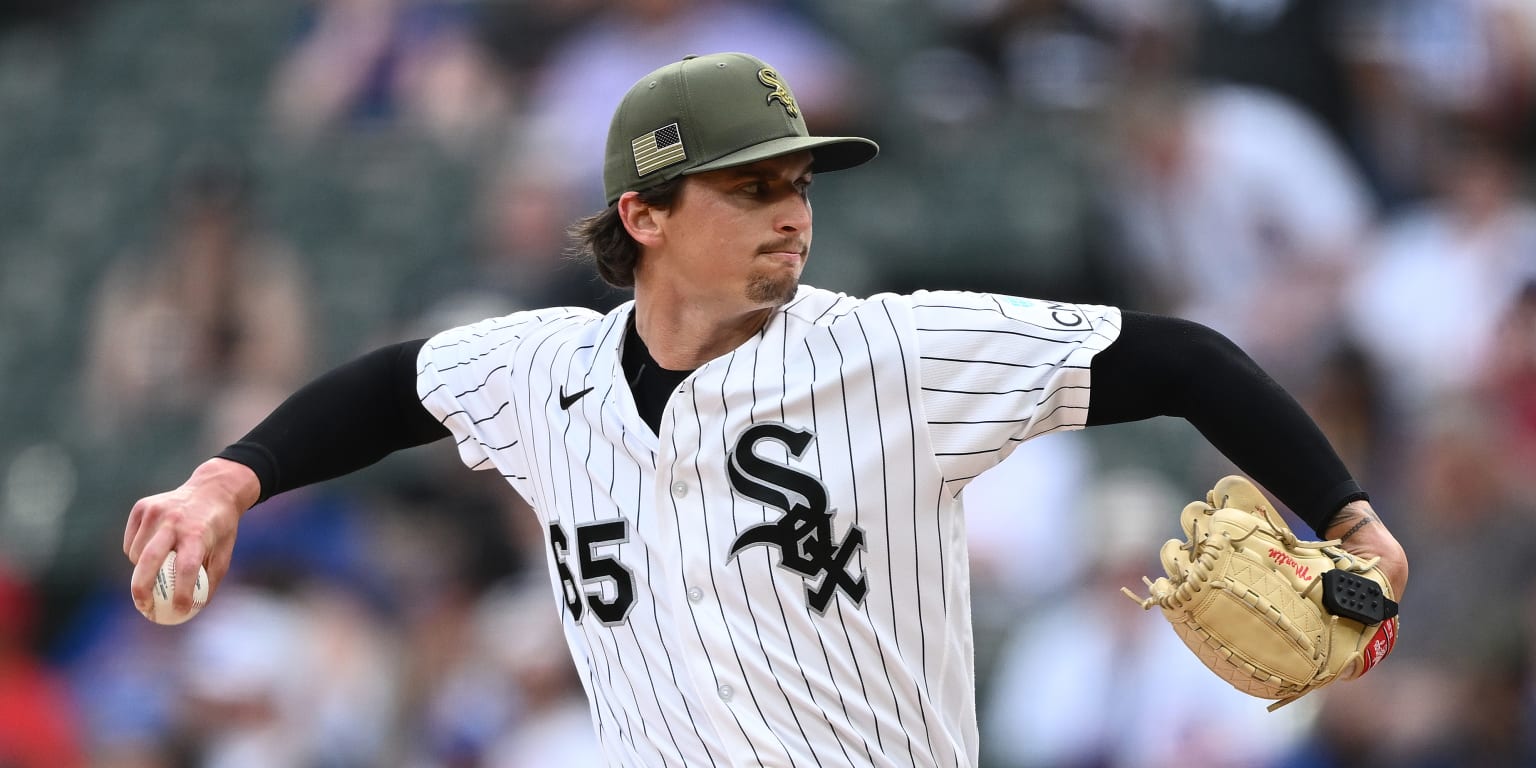
Davis Martin enters Tuesday's start against Minnesota with a 2.00 ERA and the fourth-best FIP (2.31) among qualified starters, a staggering leap from his 4.32 ERA across parts of three seasons before this year. The White Sox right-hander is not a reclamation story riding a short-term hot streak—he is a methodical student of modern pitching trends who has systematically reconstructed his arsenal to exploit the weakest point in contemporary hitter preparation: pitch diversity and unpredictability.
The mechanical rebuild began in earnest over the past 18 months. Martin threw his first two-seamer last April; added a cutter last July; and cycled through a sweeper after Tommy John surgery before abandoning it for more conventional whip. What emerged this season is a genuinely rare six-pitch mix—Martin is one of only four MLB starters (min. 500 pitches) who throws six different pitches at least 10% of the time, alongside Tomoyuki Sugano (Rockies), Kyle Leahy (Rockies), and Michael McGreevy (Cardinals). Five of those pitches are thrown across multiple arm angles and release points, making them functionally distinct even when operating at similar velocities. Against right-handed hitters, Martin uses six pitches; against lefties, five (all but his slider). The result is a pitcher who has engineered near-complete unpredictability—he does not establish patterns, does not lean on any single offering, and forces hitters into genuine decision paralysis at the plate.
This is not accident. White Sox senior advisor to pitching Brian Bannister noted that opposing teams now deploy Trajekt pitching machines to game-plan hitters before at-bats, loading their approach with specific counter-strategies. The pitchers winning in this environment are those who can flash five or six different weapons and avoid telegraphing their intent. Martin has leaned into that thesis completely. His slider and kick-changeup form a devastating pair against both handedness groups. His three distinct fastball shapes—four-seam, sinker, cutter—all exit the hand from the same release point but move at slightly different speeds and angles, creating optical illusions that collapse under execution pressure. The league's best hitters are built to exploit patterns; Martin has constructed a repertoire that punishes pattern recognition.
The prop market has been slow to fully recalibrate to Martin's elite status. His strikeout totals have risen as hitters chase in confusion, yet the lines available on his K props have not adjusted proportionally to his FIP or his usage pattern against specific opponents. Minnesota features a heavy right-handed lineup that will see all six of Martin's pitches; the Twins rank in the bottom third in strikeout avoidance rates against high-variety starters. His slider generates whiffs at a 38% clip, and his kick-changeup sits outside the hitter's anticipatory window on nearly 60% of offerings. A strikeout total of 7.5 or higher offers value because Martin's arsenal construction is uniquely punishing against a lineup designed for fastball-heavy environments. The edge is durable—this is not a single-game spike but a multi-season pattern of elite pitching development that will persist into the postseason as the White Sox' surprising 20.5% playoff odds solidify.
Martin's transformation also signals something larger about team valuation. The White Sox front office has clearly invested in pitching development infrastructure, and Martin's ability to execute a six-pitch game plan under pressure suggests that infrastructure is working. That confidence will likely extend to pricing his starts more cautiously as the season progresses. Early season lines on Martin's strikeout props and team ERA totals will face adjustment pressure; bettors with access to current numbers should capitalize before the market prices in what Brian Bannister already knows: Martin is not following a trend, he is ahead of it.