Cubs Batters Face Historic Breaking-Ball Barrage—And It's Working
By Ty Whitney ·
Chicago's lineup is drowning in spin, seeing breaking balls at a pace unmatched in two decades of pitch tracking—and their May collapse tells you exactly why.
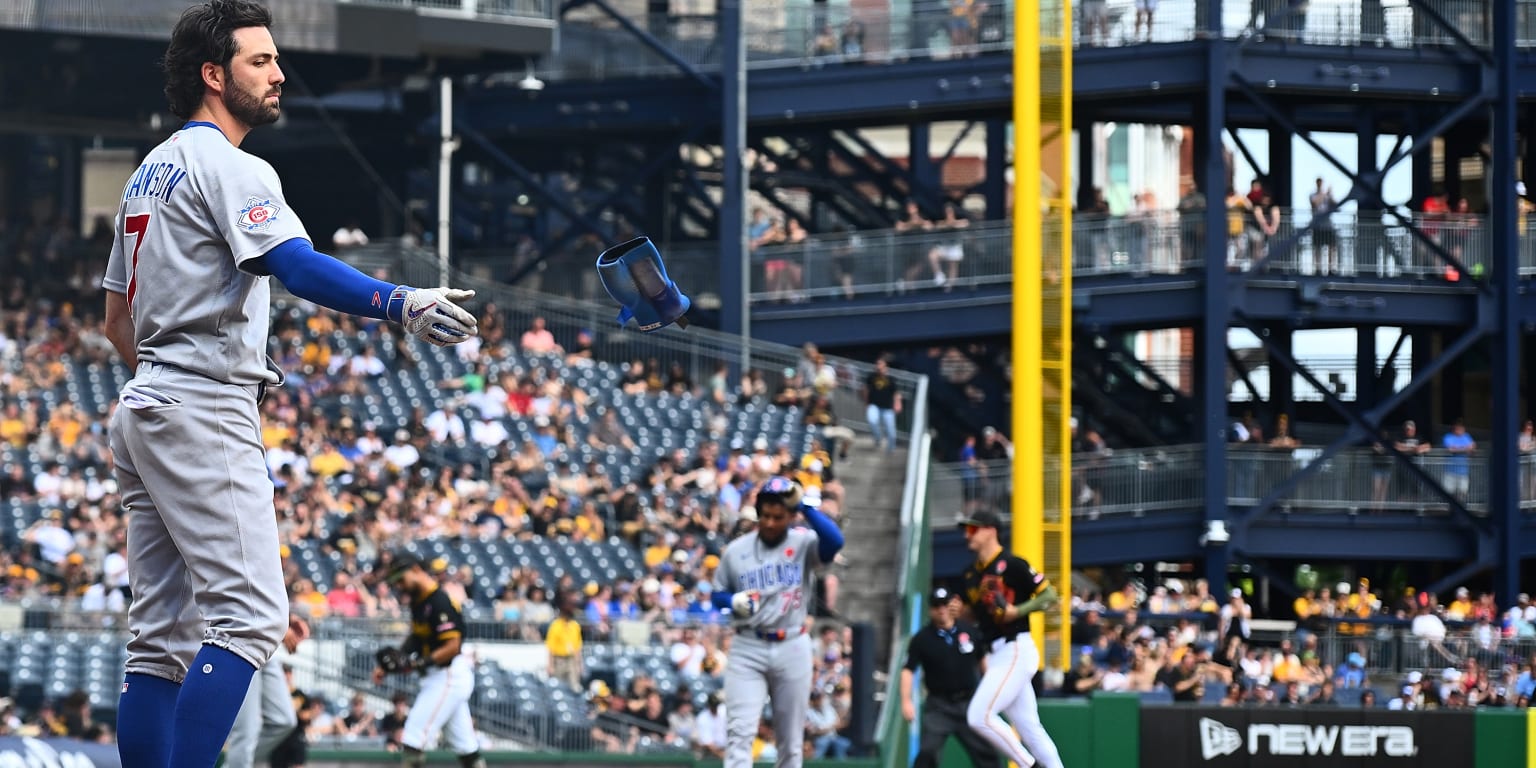
The Cubs are experiencing a coordinated pitching assault unlike anything in the modern era. Through May, opponents are attacking Chicago batters with breaking balls on 37% of pitches—the second-highest rate any team has seen in a single month since pitch tracking began in 2008. That's a five-point jump from April (32%) and nine points from last May (28%), a trajectory that suggests opposing rotations have collectively identified a vulnerability and are weaponizing it with surgical precision.
The breadth of the attack is what makes this truly unusual. Five Cubs rank in the top 10 for breaking-ball volume faced: Seiya Suzuki (47.9%), Dansby Swanson (47.8%), Miguel Amaya (43.4%), Alex Bregman (42.9%), and Matt Shaw (42.0%). Suzuki's 47% rate represents his highest monthly exposure in the pitch-tracking era, a 14-point spike from April alone. Even Ian Happ and Michael Conforto, the two Cubs seeing below-average spin rates, are still absorbing elevated doses compared to league benchmarks. This isn't statistical noise or random variance—it's a systematic game plan executed across 30 opponent pitching staffs.
The offensive consequences are immediate and severe. Chicago's OPS plummeted from .780 (top-five in baseball) in March/April to .633 (bottom five) in May. The April surge was artificially inflated by Carson Kelly's historic second consecutive monster month, but the May collapse carries real strategic weight. Bregman's numbers against breaking balls this season tell the story: .155 average, .211 slugging, with just one home run in dozens of opportunities. Swanson and Suzuki, two of the lineup's better hitters, are posting rates so suppressed that they'd rank among the 30 worst in baseball if sustained. The pitching community has diagnosed their breaking-ball vulnerability and is operating a drill.
For prop bettors, this creates a two-layer exploitation opportunity. First, team totals on the Cubs should remain compressed against any opponent with a fastball-adjacent approach—meaning those who can pitch backwards with quality breaking stuff. The 37% breaking-ball diet isn't sustainable across the league; it will regress when teams face elite fastball command or when Chicago eventually makes mechanical adjustments. But the near-term window (the next week to ten days, before line-setters fully bake in the May collapse) offers value on unders for Cubs team totals at prices that haven't yet adjusted for the true depth of this pitching shift. The market often treats May splits as noise; here, they're the opposite—a coordinated strategic response that has measurable, reproducible effects on offensive output. Second, individual batter totals (hits, runs, RBI) for Suzuki, Swanson, and Amaya should be shorted or faded until they show signs of recalibrating their approach. A 47% breaking-ball diet will eventually crack even an elite hitter, and the Cubs' lineup has no historical precedent for this rate of spin exposure. The edge is temporary—probably two to three weeks before adjustments or regression regain ground—but while it lasts, the pitching advantage is real, documented, and priced as if it's random fluctuation rather than deliberate design.
The critical detail: this isn't the Cubs being uniquely bad against breakers. Alex Bregman saw 31% breaking balls over his entire five-year career; he's at 43% this month. The league average for breaking-ball exposure is now 38%, up sharply from the 34% seen just two years ago. What makes Chicago different is the concentration and the timing. Five of their nine regulars are all in the top percentile simultaneously, and the pitching community has noticed. That coordination is the mechanism driving the May offensive cliff, and it will persist until either Chicago adjusts or opposing rotations return to more balanced pitch sequences. Until then, the Cubs' offensive props carry elevated short-side value.