Orioles' Third-Base Crisis Forces Outfielder Into Infield Experiment
By PropBetEdge Editorial Team ·
Blaze Alexander's knee injury during Monday's game against the Angels exposed Baltimore's thin infield depth, pushing career outfielder Leody Taveras into an emergency third-base role.
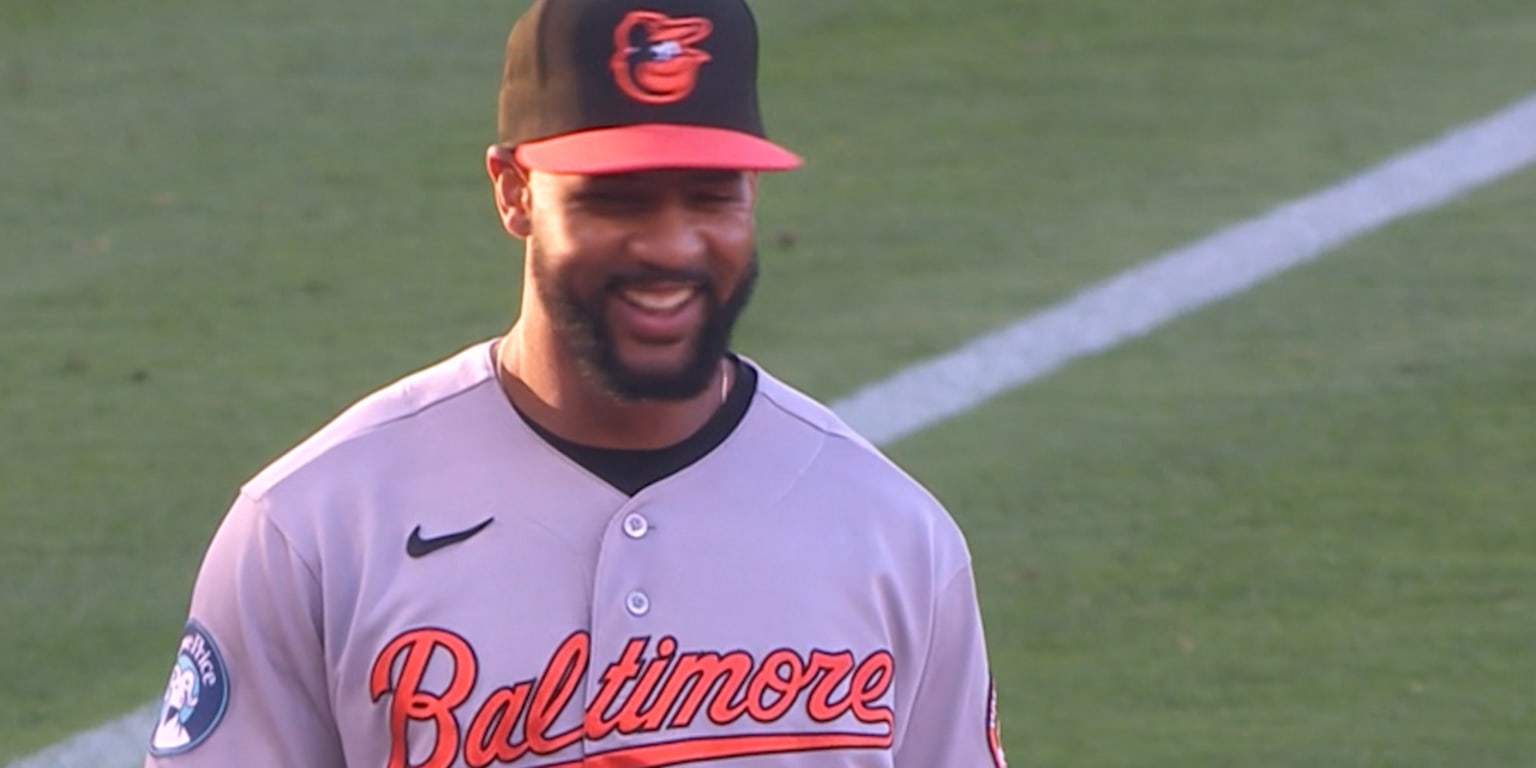
Blaze Alexander exited Monday night's series opener at Angel Stadium in the second inning after fouling a pitch off his right leg, leaving the Orioles scrambling to fill third base with injuries piling up across their infield. Jackson Holliday, the team's primary fill-in option, was already unavailable with groin tightness for the second consecutive day. That left Baltimore with no natural third baseman on the active roster and no clean substitution path—moving Coby Mayo from DH to third would have left the lineup without a designated hitter, so manager Craig Albernaz did something unusual: he activated catcher Chadwick Tromp to add depth and sent Leody Taveras, a seven-year MLB veteran who has played exclusively in the outfield throughout his career, to play the hot corner.
Taveras was thrust into service in the bottom of the third inning and made an immediate positive play, fielding a Jose Siri ground ball cleanly and turning a first-out. But the awkward positioning of a career outfielder at a premium defensive infield spot carries risk. Taveras has zero recorded innings at third base at any level of professional baseball—this was a pure roster desperation move. The Orioles currently have Luis Vázquez on their taxi squad, a utility player who can handle third, but the front office opted not to activate him, apparently banking on Alexander's injury being minor and Holliday returning within a day or two.
Alexander had been performing at an elite level heading into the game. The 27-year-old is hitting .310 with an .804 OPS across 67 games and has exploded in June, batting .413 on 19 hits in 46 at-bats. His recent weekend tear at Dodger Stadium suggested he'd found a sustainable rhythm at the plate. A right knee injury from a foul ball is unpredictable in severity—some players return after a day of rest, others land on the injured list for weeks. The Orioles' front office will be monitoring the swelling and range of motion closely.
For bettors, Alexander's status becomes the primary lever on Baltimore's offensive efficiency over the next 48 hours. Alexander's .804 OPS and June hot streak mean he's been a significant part of the team's scoring punch. If he misses games while Taveras remains in the field at third, the Orioles' team total and run-scoring lines should compress. Alexander's absence alone doesn't tank Baltimore's lineup, but pairing it with Holliday's groin injury—the 22-year-old prospect was supposed to be the heir apparent at third—creates a genuine offensive drag. Taveras is a capable hitter in his own right, but his zero experience at third base introduces defensive volatility that will show up in ground-ball situations where the Orioles might otherwise record outs. The Angels' lineup doesn't have elite pull-side power, but any contact-heavy opponent will target the left side of the infield now that Taveras is there. Look for the Orioles' team total to dip if Alexander is unavailable and Holliday remains sidelined beyond Tuesday.
The more durable concern is positional depth. If both Alexander and Holliday land on the injured list—groin injuries, especially in young players, can linger—Baltimore may be forced to make a trade-deadline move for infield depth or activate Vázquez full-time and accept the roster crunch. For now, assume Alexander gets one or two days of rest and returns by midweek. But if he's out longer, the Orioles' offensive ceiling flattens measurably.