Holliday's Return Signals Orioles Willingness to Maximize Positional Flexibility—and His Plate Upside
By Erik Schwartz ·
Jackson Holliday is back and position-agnostic; the hamate surgery rehab is complete, his swing feels whole, and Baltimore is already eyeing him as a multi-position weapon.
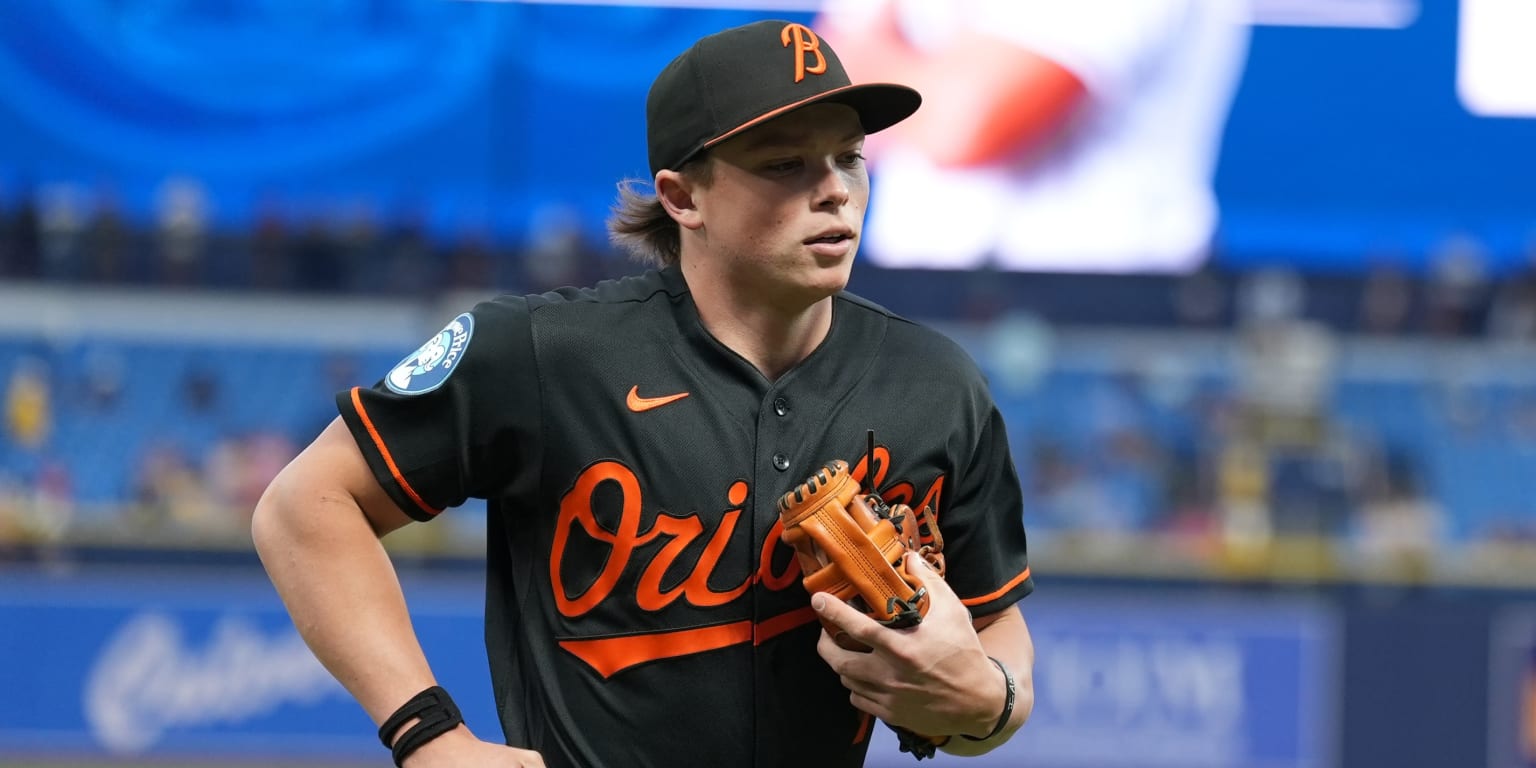
Jackson Holliday was reinstated from the injured list Monday and made his season debut Tuesday at second base, but the 22-year-old No. 1 overall pick's true value to the Orioles may lie in his ability to play multiple infield spots—and increasingly, his readiness to contribute offensively after months of hamate surgery recovery. Manager Craig Albernaz has already seen enough to express confidence in Holliday's athleticism across positions, hinting at third base and even center field work. What matters more for Orioles bettors is that Holliday's final stretch of rehab play—four straight games with a hit, including a home run and triple—suggests his wrist and hand have finally settled into the kind of stability that allows him to commit fully to his swing without protective caution.
The timeline is notable: Holliday underwent right hamate surgery on February 12, then endured two separate rehab pauses due to wrist and hand discomfort before returning to minor-league action on May 7. His first 18 games were rough (.150 BA, .550 OPS), classic rehab noise. But his last four games at Triple-A Norfolk showed measurable acceleration—hits in each contest, walks at a healthy clip, and crucially, Holliday's own assessment that he felt comfortable unleashing a full swing without fear of reinjury. That psychological break from defensive caution is often the invisible line between a player working back from surgery and a player who has actually recovered.
Holliday batted .176 across 22 rehab games with a .575 OPS overall, but the walk rate (10 BB in 22 PA) and plate discipline show his eye remained sharp even when his hands weren't ready. Now that the hand is aligned, the underlying skills—plate recognition, athleticism, gap power—are waiting to be unlocked. The Orioles' willingness to move him around infield positions isn't a sign of organizational uncertainty; it's an indication they're comfortable accelerating his integration into the everyday lineup, even as they sort out the optimal spot. In a roster built around run-heavy bats, Holliday's combination of speed, power, and multi-position utility makes him a catalytic piece the moment his offensive timing fully stabilizes.
For prop players, Holliday's path over the next two weeks becomes a key indicator of Orioles run production. If his final rehab surge (the home run, the triple, the contact streak) continues into regular-season at-bats, Baltimore's run total will benefit disproportionately because Holliday isn't a fringe reserve—he's a former top-five prospect being plugged into a competitive lineup. His strikeout rate during rehab (he logged 11 K in 22 games, a 35% K rate) will taper as he gets AB-to-AB reps; that high whiff count is typical of early return phases. Watch his HR prop in his first 5-10 games; a 22-year-old with his exit velos doesn't stay silent long once his hand fully trusts the trigger. Early season unders on Orioles team totals rest partly on Holliday's availability cost to the lineup; the moment he settles into rhythm, that math shifts.
Albernaz's public confidence—"As long as Holliday is in the lineup and on our team, you feel really good about it"—isn't empty managing speak. It's a cost signal. The Orioles have a $4M+ asset on the field for the first time this season, and they're not hedging their language about his role. That's a tell that internal projections expect fast ramp-up. Bettors should price that in before the market fully digests how much upside Holliday's return unlocks for Baltimore's back third of the season.