Soto's Late Heroics Expose Braves Bullpen Vulnerability in Mets' 10-Inning Win
By PropBetEdge Editorial Team ·
Juan Soto's two-out, three-run homer in the ninth and Luis Torrens' clutch 10th-inning double punctured Atlanta's closer group, signaling a crack in what looked like a dominant Braves pitching setup.
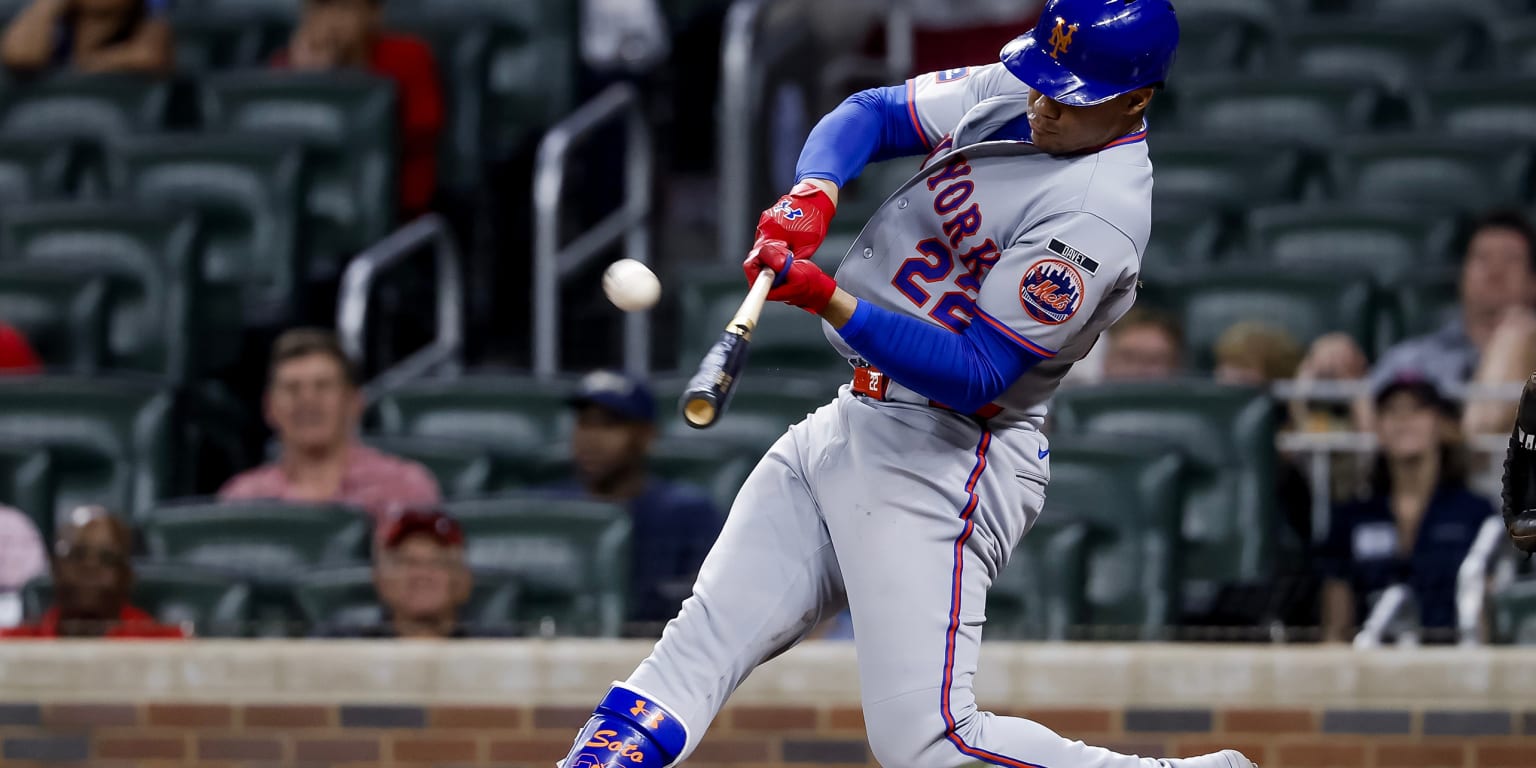
Juan Soto launched a three-run home run with two outs in the ninth inning to break a 3-2 deficit, giving the Mets a 5-3 lead and ending closer Raisel Iglesias' 35-game save streak in the process. Luis Torrens added a go-ahead double in the 10th before Luke Weaver closed out the Braves with a groundout, securing New York's 7-6 victory at Truist Park. The win capped a wild series between division rivals that saw the teams combine for 11 runs in a single inning the day prior—the kind of volatility that reshapes playoff odds and bullpen trust metrics on the fly.
What makes this sequence noteworthy for handicapping purposes isn't just the dramatic swing itself, but what it reveals about Atlanta's high-leverage depth. Iglesias had been nearly untouchable for 35 consecutive save opportunities, yet faltered when the Mets manufactured a two-out situation with a runner in scoring position—the exact moment his value proposition was being tested at full intensity. Soto's ability to elevate a fastball in that spot, combined with the Braves' lack of a second shut-down option ready to inherit high-leverage work, exposed a real structural gap. The Mets then pushed again in the 10th, and Weaver—who entered on a 25-inning scoreless streak—held the door despite allowing a runner to reach second and loading the bases with two outs. Atlanta's bullpen had been sold as elite on the season, but one weekend against New York peeled back the layers.
For betting purposes, this result pulls at a specific thread: Braves team totals and run-line pricing were built on the assumption that Iglesias and the late-inning crew could lock down leads in close games. That 35-game save streak inflated his perceived reliability, a recency artifact that market pricing had already baked in. A single loss doesn't break the model—Iglesias will pitch dozens more times—but it does signal that Atlanta's ability to hold a one- or two-run lead in the ninth inning is lower than the pre-game line implied. The Mets forced the issue twice in three days (one inning of 11 combined runs, now a 10-inning walk-off), which suggests either variance or a repeatable mismatch on edge-of-game at-bats.
Braves moneyline pricing for remainder-of-series contests and their team totals going forward should contract slightly, not out of panic but out of recalibration. Iglesias' next few appearances will draw scrutiny from both the market and the betting public, likely compressing his over totals on strikeout props as sharps account for the emotional weight of the streak-breaker. Conversely, Mets game props—particularly Soto's hit and home-run lines—may tick upward against Atlanta's remaining pitchers, since this victory was built on his ability to catch up to fastballs in two-strike counts when the pressure was highest. The series finale result doesn't render the Braves vulnerable for the season, but it does create a 48-hour window where bookmakers and the public are recalibrating assumptions about their clutch-inning depth.