Astros' Injury Cascade Won't Trigger a Firesale—But It Will Reshape Betting Angles for Weeks
By PropBetEdge Editorial Team ·
Houston has 14 players on the injured list, but ownership is committed to staying the course; understanding the return timeline is critical for lineup and bullpen prop pricing.
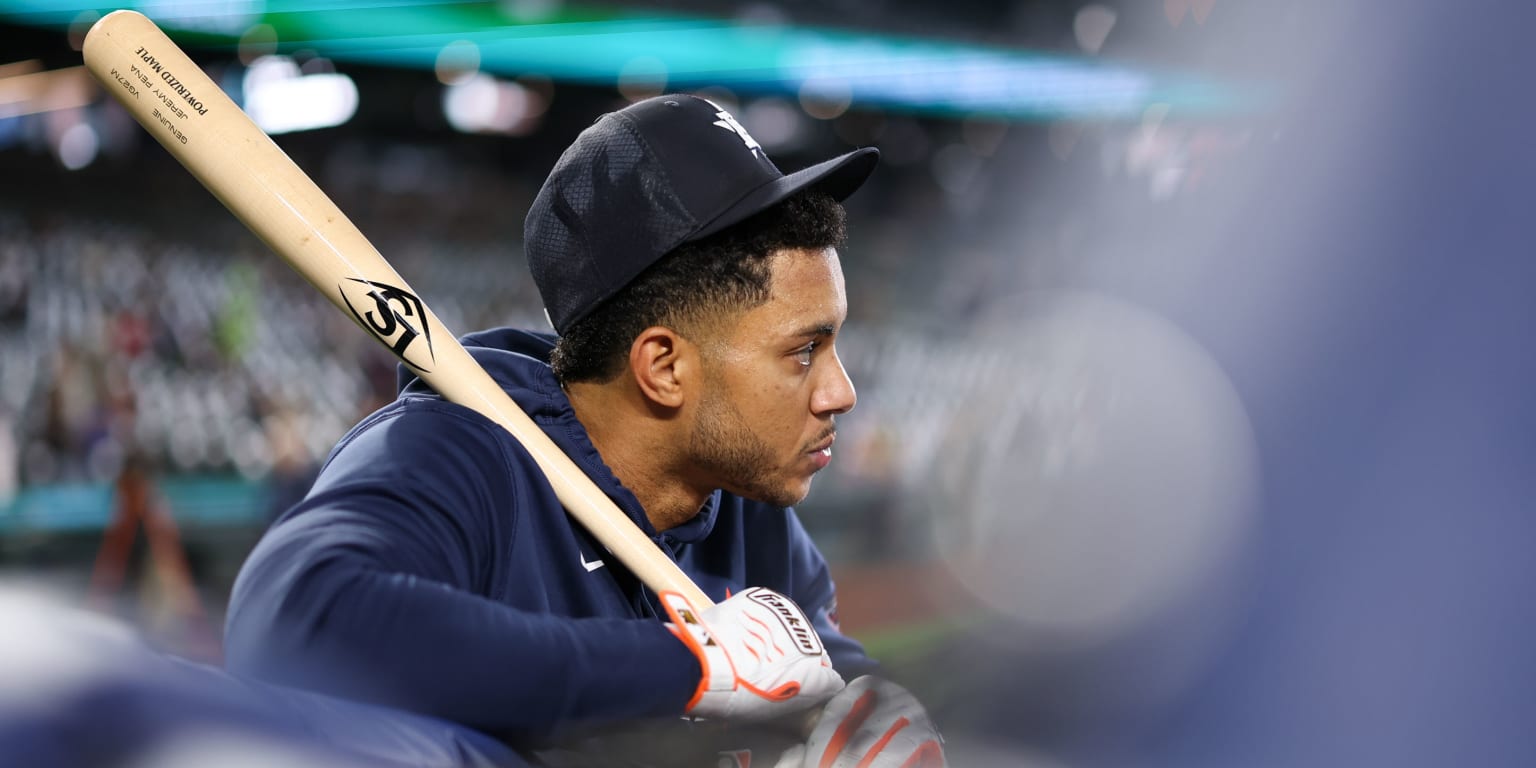
The Astros sit in last place in the AL West despite being only six games out of the division lead and five out of a Wild Card spot—a gap that owes almost entirely to a historically bad injury wave, not organizational dysfunction. Per the team's recent assessment, 14 players are currently unavailable, including both starting shortstop Jeremy Peña and catcher Yainer Diaz, third baseman Carlos Correa, closer Josh Hader, and ace Hunter Brown. Manager Joe Espada and general manager Dana Brown are staying in place, and ownership has signaled no teardown is coming. The math is clear: Houston believes health, not talent, is the problem, and they're betting they can win as the roster assembles.
The near-term relief is measurable. Nate Pearson, the right-hander recovering from elbow surgery, is days away from rejoining the bullpen after throwing 101.3 mph in a Triple-A rehab outing; Peña should slot back at shortstop next week following his Double-A assignment; and Jake Meyers (right oblique) is tracking for a return within seven days. Taylor Trammell and Joey Loperfido are poised to begin minor-league rehab imminently, and Hader is due back by the end of May. For betting purposes, this timeline matters because it creates a predictable arc of roster improvements. Lineups that look anemic today will gain speed and depth week by week. Bullpen arms that are currently overworked will get reinforcement.
The risk lurking beneath the recovery narrative is pitcher durability. Tatsuya Imai returned from a month-long arm fatigue absence and immediately surrendered six runs in four innings against Seattle, including a grand slam—one of ten hard-hit balls off him in a short outing. His ERA stands at 9.24 over 12.2 innings. This is the hidden cost of a prolonged injury absence: when you bring arms back on a compressed timeline to fill rotation gaps, they often lack the conditioning or command to hold form. The Astros have leaned on Spencer Arrighetti, Peter Lambert, and Mike Burrows to stabilize the rotation in recent weeks, but that group is absorbing leverage. A setback with any starter deepens the bullpen burden.
For the betting market, Houston's injury depth creates two competing forces. Team totals have been artificially suppressed by missing-in-action cleanup hitters and premium relievers—Peña, Correa, Diaz, Hader are not marginal contributors. As they filter back, team run-scoring should trend upward, and overs on Astros game totals priced in the 3.5–4.5 range today represent value if the return schedule holds to plan. However, this edge is front-loaded; the market will price in each return announcement within 24 hours of confirmation. The second angle is bullpen usage. With Hader sidelined through late May and Pearson just returning, Astros relievers are seeing elevated leverage innings and strikeout volume. Individual reliever K props and innings-pitched totals have inflated, and some of those names (particularly those seeing 4+ appearances per week) are candidates to regress or get skipped as the roster deepens. Watch for bullpen-specific value to compress once Hader and a healthy Pearson are integrated.
The larger narrative—ownership commitment to stay the course despite a last-place record—insulates Houston from panic trading and mid-season housecleaning. That stability is its own form of edge. Teams that trade away talent mid-slump often see velocity and command deteriorate as sellers sense urgency. The Astros will not. That means you can trust the durability of their remaining arms and the eventual lineup depth. The risk is not organizational collapse. The risk is that three key arms (Imai, Arrighetti, Burrows) wear down covering the gap before the injured list empties out.