The Baserunning Exploit That Reshaped Pittsburgh's Strategy Against the Shift
By PropBetEdge Editorial Team ·
Brandon Lowe's sprint through second base exposed a defensive vulnerability the Pirates will weaponize again—and it's already reshaping how teams think about bases-loaded situations.
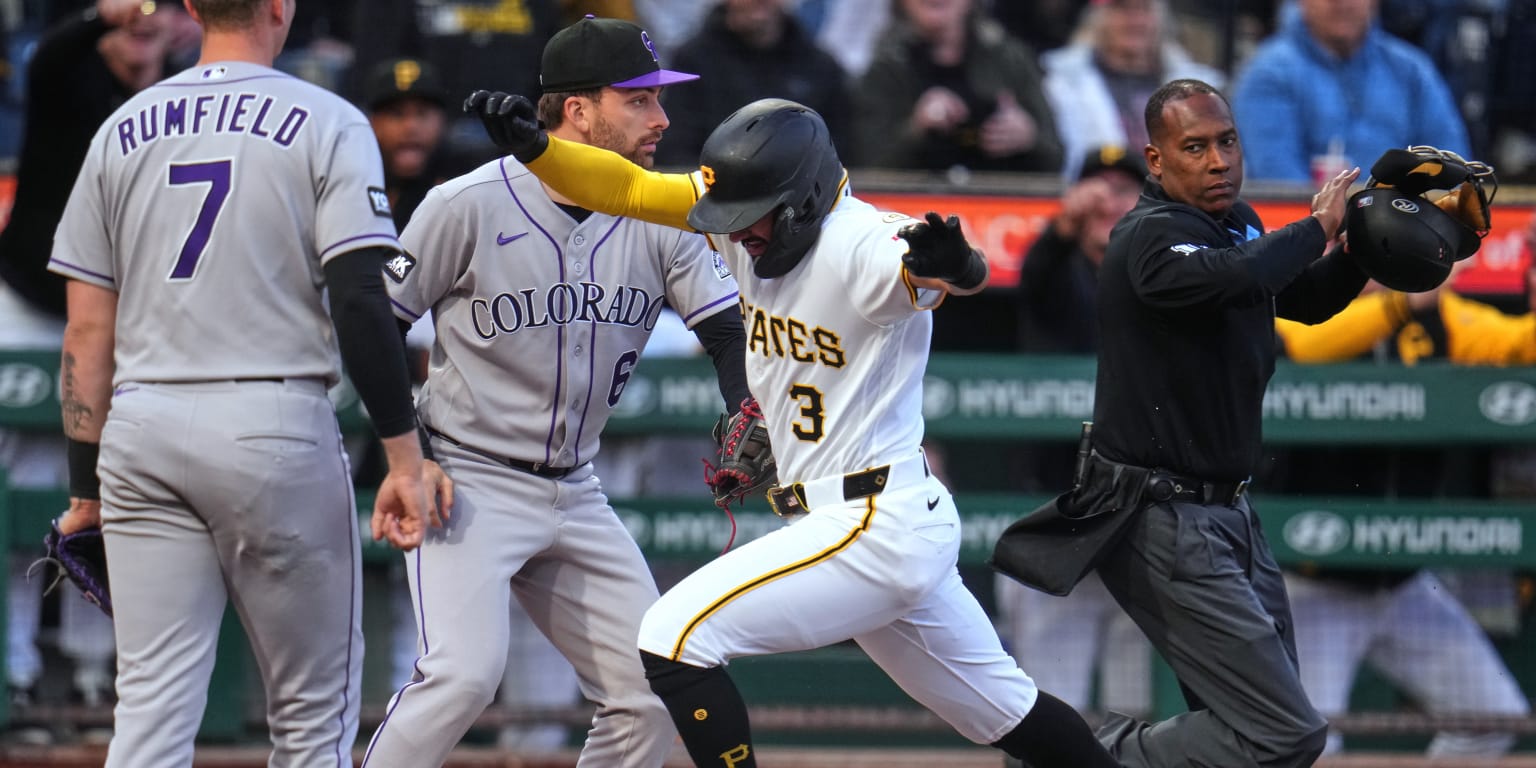
The Pirates manufactured two runs on Wednesday without a hit in play. With the bases loaded and two outs, Henry Davis grounded to third baseman Kyle Karros, who elected to force Brandon Lowe at second. Lowe beat the throw, sprinted directly through the bag without breaking stride for third, and triggered a defensive chain reaction that ended with catcher Hunter Goodman chasing Nick Gonzales home—only to have home plate umpire Ramon De Jesus rule that Pirates pitcher Jose Quintana obstructed Gonzales' path to the plate, awarding the run on the obstruction call.
What matters here isn't the oddity of the sequence; it's the intention behind Lowe's baserunning geometry. By running full-speed through second base rather than sliding into the bag, Lowe avoided the "abandonment of second base" call that MLB introduced in 2023 after multiple teams exploited the same tactic. The rule amendment permits umpires to rule a runner out for abandoning his base during a force play—but only if he abandons it in the direction opposite his run. Lowe sidestepped that trap by immediately advancing to third, making his path through second a continuation of play, not an exit from the force.
The Rockies' defense compounded the problem by losing containment in the secondary chase. Once Lowe created space and confusion, the pickle between Gonzales and Goodman/Karros became inevitable—and in a pickle with an obstructing pitcher (Quintana was angled defensively toward the runner's path rather than covering or backing up), the umpire's obstruction judgment is discretionary. De Jesus read Quintana's position as illegal obstruction, and Gonzales scored. Pittsburgh didn't earn those two runs through superior hitting; they executed a baserunning exploit that catches defenses off-guard and leaves umpires parsing rule intent.
The betting angle emerges from how this play reshapes Pittsburgh's operational value in high-leverage, bases-loaded scenarios. The Pirates are signaling, through execution and repetition, that they will weaponize speed and heads-up baserunning in those spots. Teams like Colorado now face elevated decision-making pressure in force situations—do they risk chases that invite obstruction calls, or do they accept the force and minimize exposure? For Pirates prop bettors, this is a micro-pattern: Lowe and speedier runners will see increased first-and-third and bases-loaded opportunities specifically because Pittsburgh's coaching staff believes this tactic creates value. Over a full season, runners scoring on obstruction calls or defensive confusion in bases-loaded scenarios is a low-base-rate event—but Pittsburgh just demonstrated it's replicable. Watch for Pittsburgh's team total props in games where they load the bases early; the coaching staff now has a tested exploit for converting those situations into runs without relying on contact quality.
Lowe himself carries additional intrinsic value from this play. He's posted a .907 OPS with 10 home runs since his offseason acquisition, but his willingness to innovate on the basepaths—his comfort with the 2023 rule gray area and his execution of it—marks him as a baserunner of exceptional baseball IQ. In close games or high-pressure spots, Lowe's propensity to create value on the basepaths independently of his bat makes him a reliable ingredient in Pittsburgh's run-creation math. That doesn't show up on standard hitting props, but it compounds into team-total outperformance in specific game states.