MLB
Henderson's Wrist Cost Him a Season—and the Orioles Their Middle Infield
Baltimore's star shortstop played through a wrist injury that tanked his production; understanding the mechanical damage matters for 2027 prop pricing.
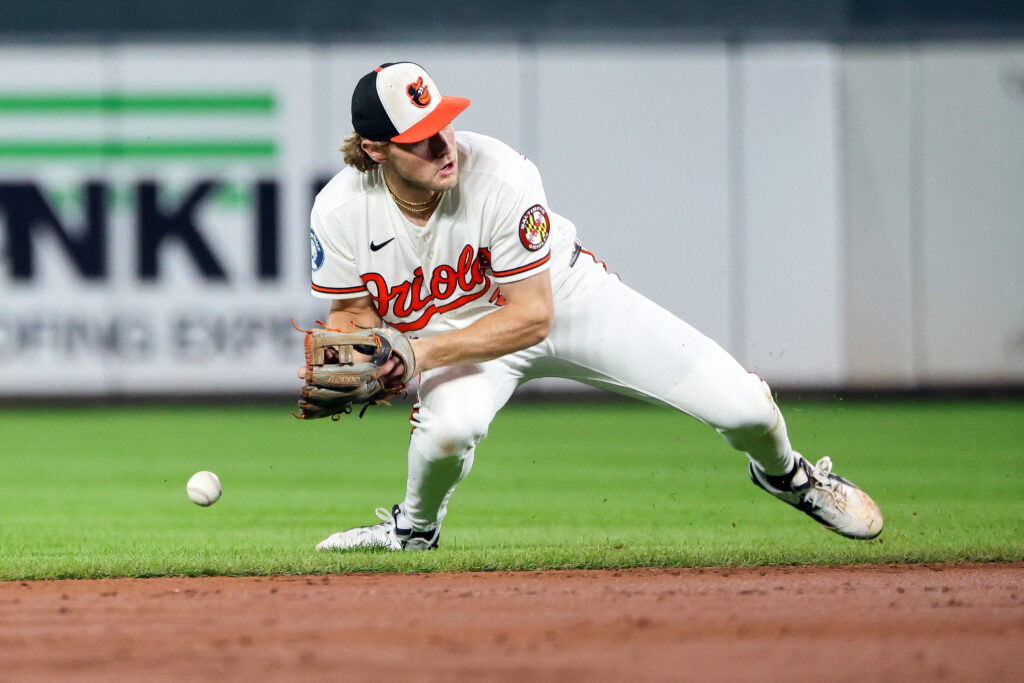
Gunnar Henderson finished the 2026 season with a .226 batting average and a 102 wRC+ over 700 plate appearances—a stark departure from the elite offensive standards he'd set in prior years. The source of the decline wasn't a sudden loss of ability; Henderson played through a wrist injury that compromised his swing mechanics throughout the season.
Wrist injuries in baseball are particularly insidious because they affect both the approach and the result. A compromised wrist limits extension, reduces bat speed off the barrel, and forces hitters to compensate by pulling off pitches or shortening their swing plane. For Henderson, a shortstop who ordinarily generates power from leverage in his lower half and core rotation, a wrist issue creates a cascading mechanical problem—he can't transfer force through the swing the way his body is designed to. A 102 wRC+ in 700 at-bats represents roughly 3.7 wins above replacement defensively salvaging what would otherwise have been a materially negative season at the plate.
The Orioles' willingness to have Henderson continue playing speaks to the depth crisis in their infield and the competitive urgency of their 2026 window. Few teams have the luxury of benching a shortstop of Henderson's caliber, even when he's producing below replacement level. From a betting perspective, this creates a critical reset scenario heading into 2027: the market will price Henderson's spring training returns with fresh skepticism, likely depressing his early-season prop lines on hits, RBIs, and total bases relative to his pre-injury baselines.
The edge emerges in the timing. If Henderson undergoes offseason treatment (physical therapy, possibly imaging to rule out structural damage) and reports healthy at Spring Training, his first-month prop totals will carry minimal adjustment from 2026's depressed run rates. A hitter returning from a wrist injury that was never catastrophic enough to require surgery typically regains 70-80% of his pre-injury performance within 3-4 weeks of game action as compensation patterns reset. Henderson's 2025 and earlier seasons established him as a .270+ hitter with legitimate 25+ home run power; if he's medically cleared without structural limitations, the initial over on his batting average props and hit totals in April will capture the gap between the market's conservative 2026-anchored projection and the mechanical recovery that wrist rehab delivers once he's pain-free.