Oakland's Pinch-Hit Salvation Pattern: When Deep Bench Production Becomes Repeatable
By Ty Whitney ·
Jonah Heim's second dramatic pinch-hit homer in eight days signals the Athletics are manufacturing late-game equity through unconventional roster leverage.
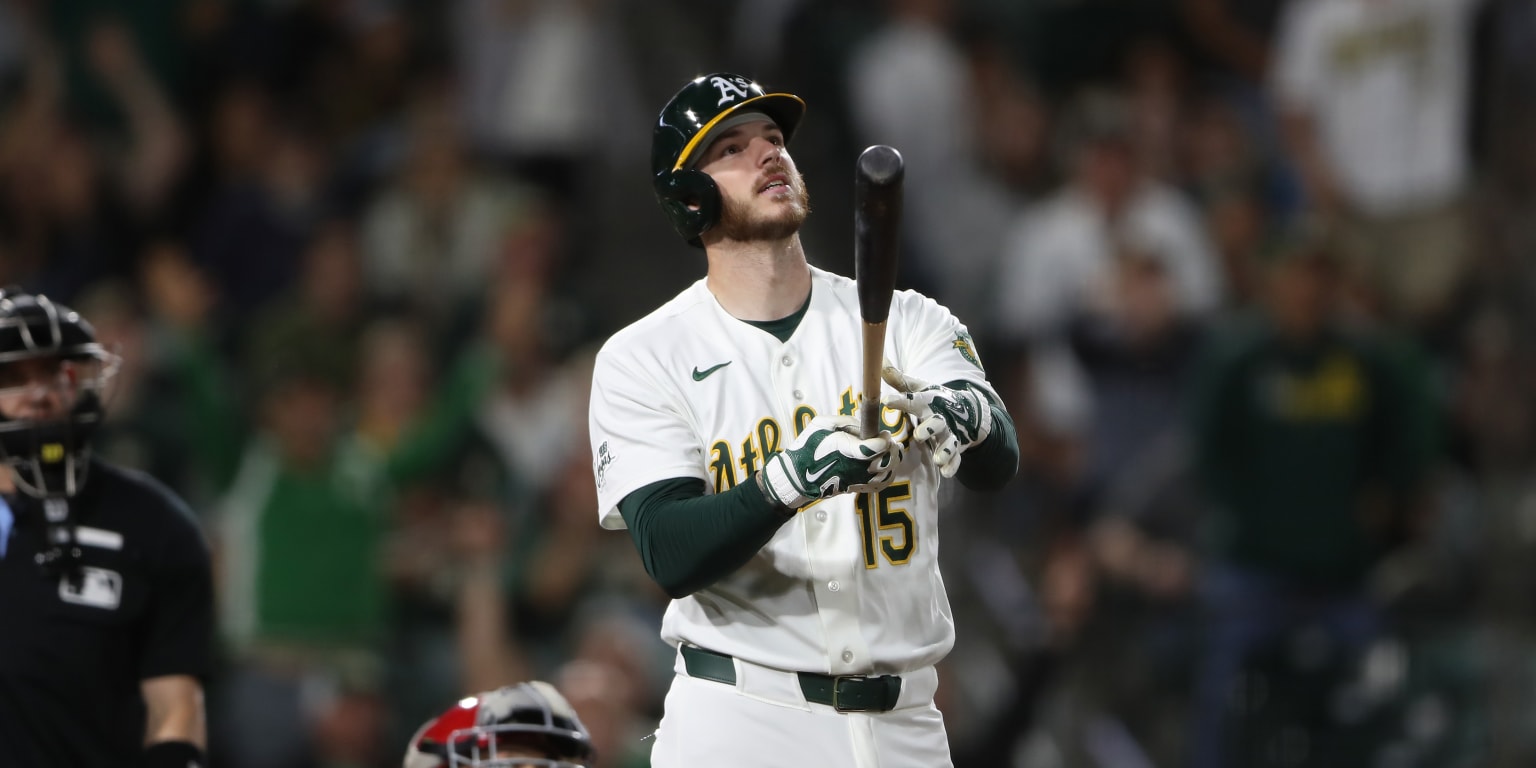
Jonah Heim did Friday night what he'd already done a week prior: stepped into a ninth-inning spot with the Athletics down two runs and two outs remaining, then launched a game-tying two-run home run. This time the stakes held. After rallying from an 11-4 hole entering the sixth at Sutter Health Park, Oakland completed a 12-11 comeback win over the Angels when Nick Kurtz drew a walk-off walk in the 10th—a sequence that marks the A's first seven-or-more-run comeback victory since July 2018, eight years prior.
The immediate narrative is feel-good: a bench player delivers twice in eight days when the game appears lost. But the mechanical story underneath carries real betting weight. Heim has now converted two consecutive high-leverage pinch-hit appearances into game-altering hits—both two-run blasts in identical late-inning windows. That's not noise. The Athletics are deliberately deploying Heim into ninth-inning situations as a hitter-for-hire against specific matchups (in this case, Angels reliever Sam Bachman from the right side). If Oakland continues using Heim as a ninth-inning pinch-hitter in high-leverage spots, his batting line in those moments becomes a legitimate prop track, not a one-off anecdote.
Moreover, the A's collapse in the sixth inning—surrendering seven runs to turn an 11-4 lead into a one-run deficit—inverts how we should price their bullpen risk going forward. This wasn't a close game that tightened; it was a meltdown that the offense then exploited by staying alive. That back-and-forth volatility is the opposite of a ballpark or roster that's finding equilibrium. Teams that blow seven-run leads in the sixth and then walk off in the tenth are structurally unpredictable for totals pricing. The game finished at 23 runs—well above the pre-game total for a matchup between a rebuilding A's roster and an Angels club treading water in the AL West.
For prop bettors, Heim's repeat performance narrows the edge but doesn't eliminate it. If he's appearing in the ninth inning in high-leverage spots at a measurable frequency, and if his exit velocity and barrel rate on those swings suggest genuine hitting skill rather than variance, then Heim pinch-hit home run props (if the book offers them) or his individual home run line when he enters as a late-game sub carry positive expected value. However, the pattern is only two games old. One more confirmation—another ninth-inning heroic in the next seven to ten days—would suggest a structural role rather than coincidence. Until then, the edge is real but brittle.
The Athletics' willingness to ride Heim in these moments also reflects their internal valuation of his clutch-spot capability, a signal that the front office sees something repeatable. That doesn't guarantee the market will price it in, especially if Heim's season-long average masks his ninth-inning elite-tier performance. Early line moves on Heim pinch-hit home run props—if sportsbooks introduce them—would likely overcorrect to the high side based on the two-game sample. The true edge emerges if and when the book settles on a middle price and the sample extends to five or six occurrences.