Hazen's Pre-Deadline Reckoning: Arizona Injury Pile Won't Excuse Underperformance
By Ty Whitney ·
With 19 days until the trade deadline, the Diamondbacks GM made clear that a buyer's mindset requires immediate performance—and that a revolving door of injuries won't shield the position players still in the lineup.
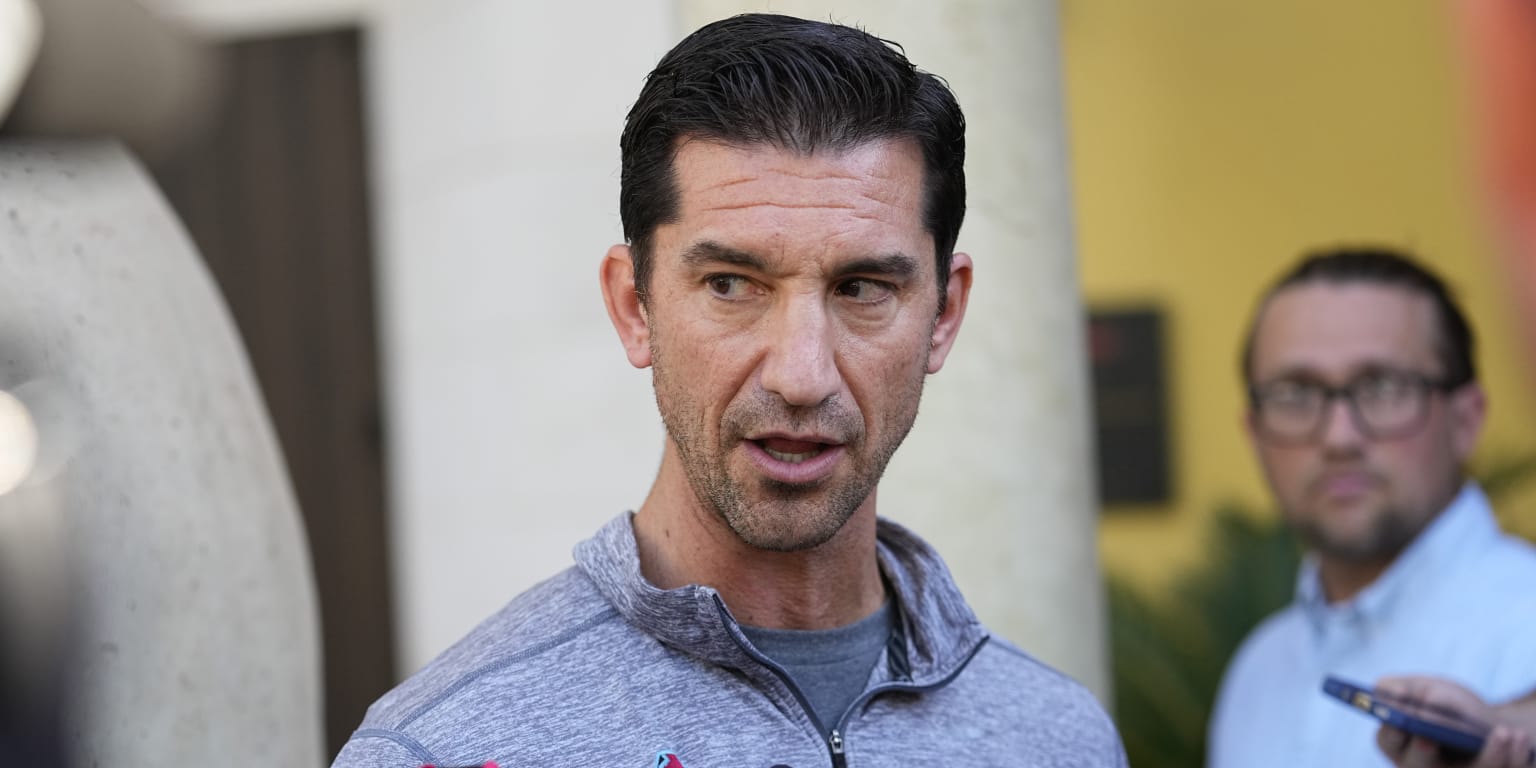
Mike Hazen gathered the Diamondbacks before a seven-game road swing to deliver a message he regretted delaying last season: perform now or watch from the sellers' side of the deadline. With the cutoff set for August 3, Hazen wanted his roster to understand the stakes in real time rather than after the fact. He made the case for buying—not selling—but tethered that ambition to one condition: stack wins in the next 19 days.
The injury situation is real. Tommy Troy suffered a sprained AC joint on July 12 when he collided with the wall making a catch against the Dodgers and landed on the 10-day IL. Zac Gallen remains in the information-gathering phase with right elbow inflammation, timelines undefined. Geraldo Perdomo received a cortisone injection to manage left wrist inflammation but is expected to play. That's a significant dose of unavailability for a team that has underperformed its preseason projections. But Hazen's message was pointed: injuries don't excuse the position players available to take the field. Execution is still the variable the organization controls.
The Arizona roster heading into the second half features several players whose offensive consistency will determine whether Hazen follows through as a buyer. Troy's absence removes a corner outfield option, which concentrates pressure on the remainder of the lineup to produce in elevated leverage spots. Perdomo's wrist was treated rather than rested, signaling both the team's willingness to push through soreness and the shortness of the runway before the deadline. Gallen's timeline remains murky, but the rotation's depth gives Arizona some breathing room if the healing extends beyond two weeks.
For bettors, the framing matters. Hazen's public commitment to buying creates organizational pressure that flows down to daily performance. Teams with clear trading direction often exhibit volatility in their run scoring and total production lines as veteran position players either rise to the moment or disappoint under scrutiny. Arizona enters the second half with 19 days of rope—enough to salvage a buyer's role with a 7-3 or 8-2 stretch, but not enough to absorb another prolonged skid. Watch Arizona's team totals over-under lines closely in the next week. If the market prices in continued underperformance, the psychological shift in a roster that's been explicitly told "perform or we sell" may push overs to value territory, particularly in matchups against below-average pitching where the offense has clearer paths to run production.