Harris's Back Problem Returns; Braves Bet on Rest Over IL
By Erik Schwartz ·
Michael Harris II's second lower-back incident in two weeks leaves Atlanta confident he'll avoid the injured list, but his availability risk shifts lineups and prop value in the short term.
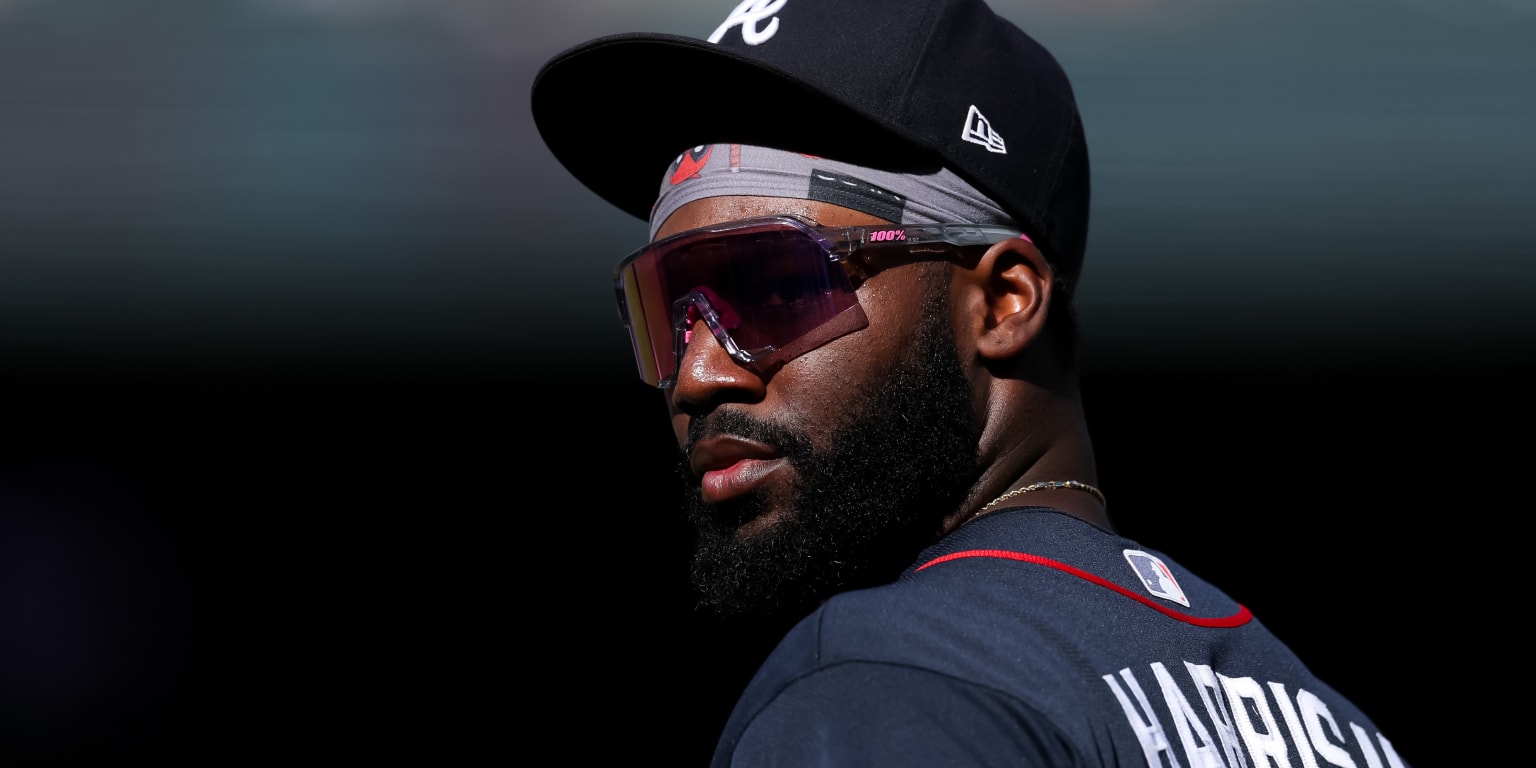
Michael Harris II sat out Friday's series opener against Milwaukee after exiting Tuesday's suspended game against San Francisco in the first inning with lower back tightness. It marks the second time in 14 days—the first flare came June 5 against Pittsburgh—that the same injury has forced him from action. Manager Walt Weiss stated the team does not expect an IL placement, though he acknowledged the possibility remains fluid. The recurrence pattern, however, signals a problem with staying power rather than a one-off tweak.
Harris's absence from the lineup carries real offensive weight. Over his past 54 games, he's hitting .325 with 12 home runs and a .911 OPS—elite production for a center fielder, especially one carrying All-Star ballot consideration (he ranked fourth among NL outfielders in the latest update). The Braves' center-field defense and run generation lose meaningful juice when he's not in the field. His June 7 pinch-hit double off the bench showed he can still contribute on limited availability, but that's a stopgap, not a solution to a depth chart problem.
The durability concern reshapes near-term betting calculus. If Harris plays every game as scheduled, Atlanta's offensive ceiling stays intact. If the back flares again—and the recurrence suggests vulnerability—the Braves rotate a less potent bat into the lineup, compressing run expectancy. The suspended-game recovery window also remains a variable: players returning from brief IL stints or extended bench time often need 5–7 games to regain rhythm at the plate, particularly against premium velocity. Atlanta faces strong pitching ahead (Brewers' arms are league-average-plus), so timing of Harris's return matters as much as whether he plays.
Bettors should treat Braves team totals with caution over the next 5–7 games. When Harris is confirmed active and in the lineup, the offensive projection warrants lean-over sentiment (he alone adds 0.3–0.4 runs per game to team expectancy). But until the back holds and he records consecutive games without reaggravation, overs on Atlanta's team total sit on shakier ground than the listed line suggests. Books are pricing in his name on the roster; they are not yet repricing for the functional absence of his production if setbacks continue.