Cubs Escape Atlanta Slump With Brown's Dominance and Happ's Timely Power
By Ty Whitney ·
Chicago's 2-0 shutout win ends a four-game drought marked by historic offensive collapse, while a pair of lineup anchors signal the depth of their recovery.
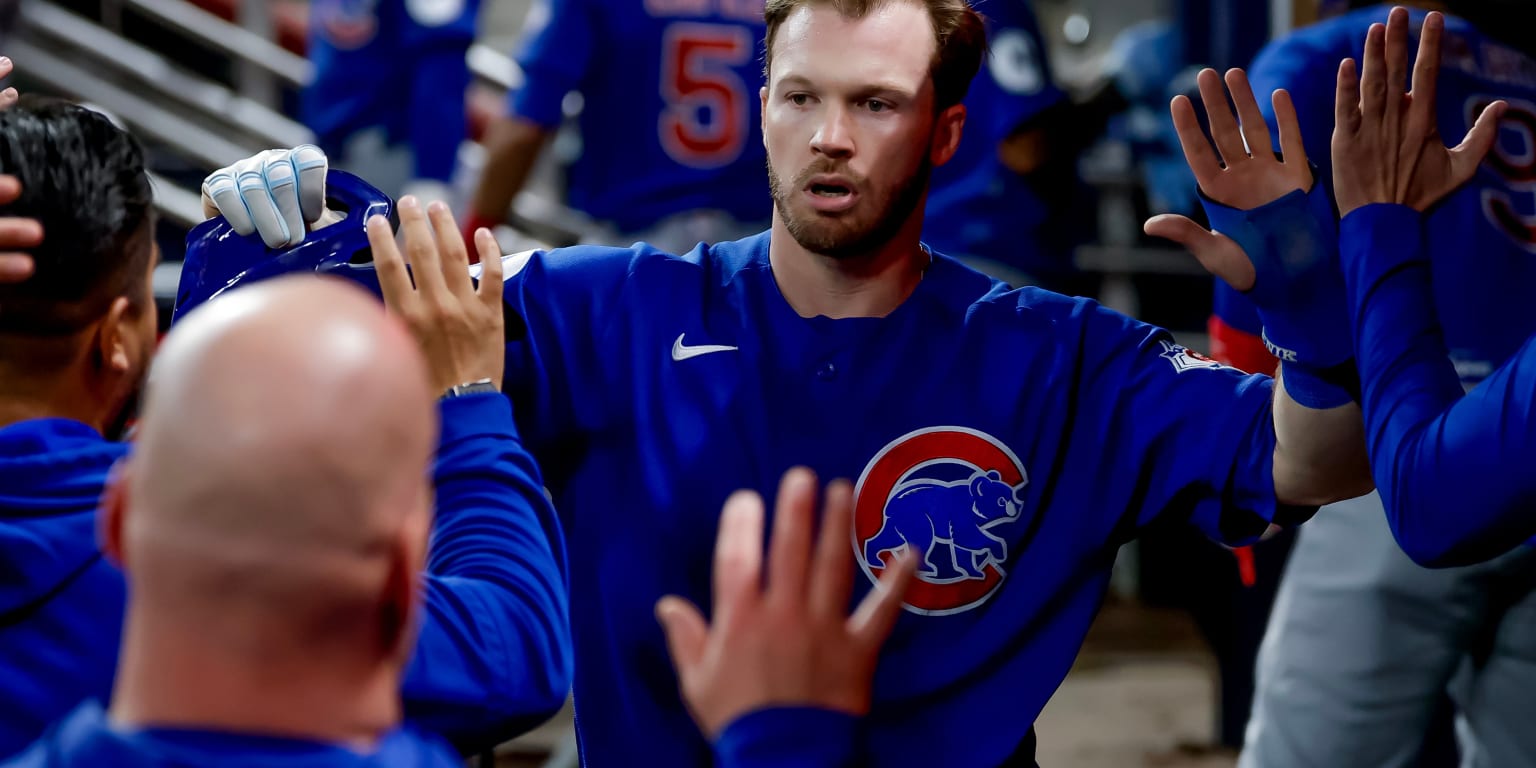
The Cubs' 2-0 victory over Atlanta on Thursday closed a four-game losing stretch in which they managed just three runs on a .108 batting average—one of the more alarming offensive collapses of their season. That stretch followed the kind of volatility that defines their first 44 games: a 10-game winning streak, a three-game slide, another 10-game winning streak, another three-game losing streak, and now this. The sequence suggests a roster still learning how to sustain performance, though the win itself proved clean and measured.
Ben Brown's start was the architectural centerpiece. Stretched to 65 pitches across four innings, the right-hander yielded one hit and struck out seven, leaning heavily on a knuckle curve that has become his primary weapon against quality hitters. Coming into Thursday, that pitch had generated a .175 batting average against it (6-for-44 with 17 strikeouts). On this night, Brown struck out six more on the same curve, including twice freezing Matt Olson, the Braves' cleanup hitter. For a young starter operating through his first extended stretch—he's making only his second start after four scoreless innings last Friday in relief—the consistency against premium competition signals real utility.
Ian Happ's solo home run in the eighth inning arrived on the heels of a 14-at-bat hitless drought punctuated by nine strikeouts in his previous four games. The Cubs had weathered that offensive void by rotating catcher depth with Miguel Amaya returning to the lineup after back tightness sidelined him since May 8. Amaya went 1-for-4 in his return. What matters is that both hitters—Happ especially—emerged from the team's nadir with meaningful contact. Happ's 10th home run of the season positions him to track slightly above his recent pace, but the context matters: he was searching. The longer his current streak of contact holds, the less that previous 14-at-bat void will register as systemic versus circumstantial.
For prop purposes, Brown's strikeout rate on off-speed offers immediate tactical value. His knuckle curve has generated whiffs at an abnormal clip relative to league average. Against teams that chase elevated strikeout rates in their lineup construction—the Braves rank 24th in strikeouts per 100 PA—Brown's leverage appears understated. When the Cubs return home against the White Sox, Brown's next spot in the rotation will likely arrive in 4-5 days. If he stays in the rotation and pitches roughly every fifth day, his strikeout prop edges into smarter-than-consensus territory for as long as the knuckle curve maintains its 39% whiff rate (the rate he's posted through May). That advantage erodes once the market recognizes the pitch as a primary strikeout vector; early deployment (next 2-3 starts) carries the most edge.
Happ's recovery is noisier to quantify. One home run after a slump does not erase the strikeout clustering that preceded it. However, his ability to locate a walk in the sixth and then generate exit velocity in the eighth suggests the mechanical issues that created the 14-at-bat void may not be structural. Cubs hitting coaches would not suddenly reverse a player's approach; if Happ's contact quality improves over the next week, it indicates the previous swoon was fatigue or mechanical drift, not a decline in his competitive baseline. That distinction matters for home run and strikeout prop markets, where a player exiting a slump can move lines faster than the underlying skill warrants.