Happ's Pittsburgh Surge Ends Cubs Freefall, But Snap Obscures Deeper Offensive Drought
By Ty Whitney ·
Ian Happ's five-RBI night halted Chicago's 10-game losing streak, yet the performance masks a fragile offensive foundation that's unlikely to sustain momentum without structural fixes.
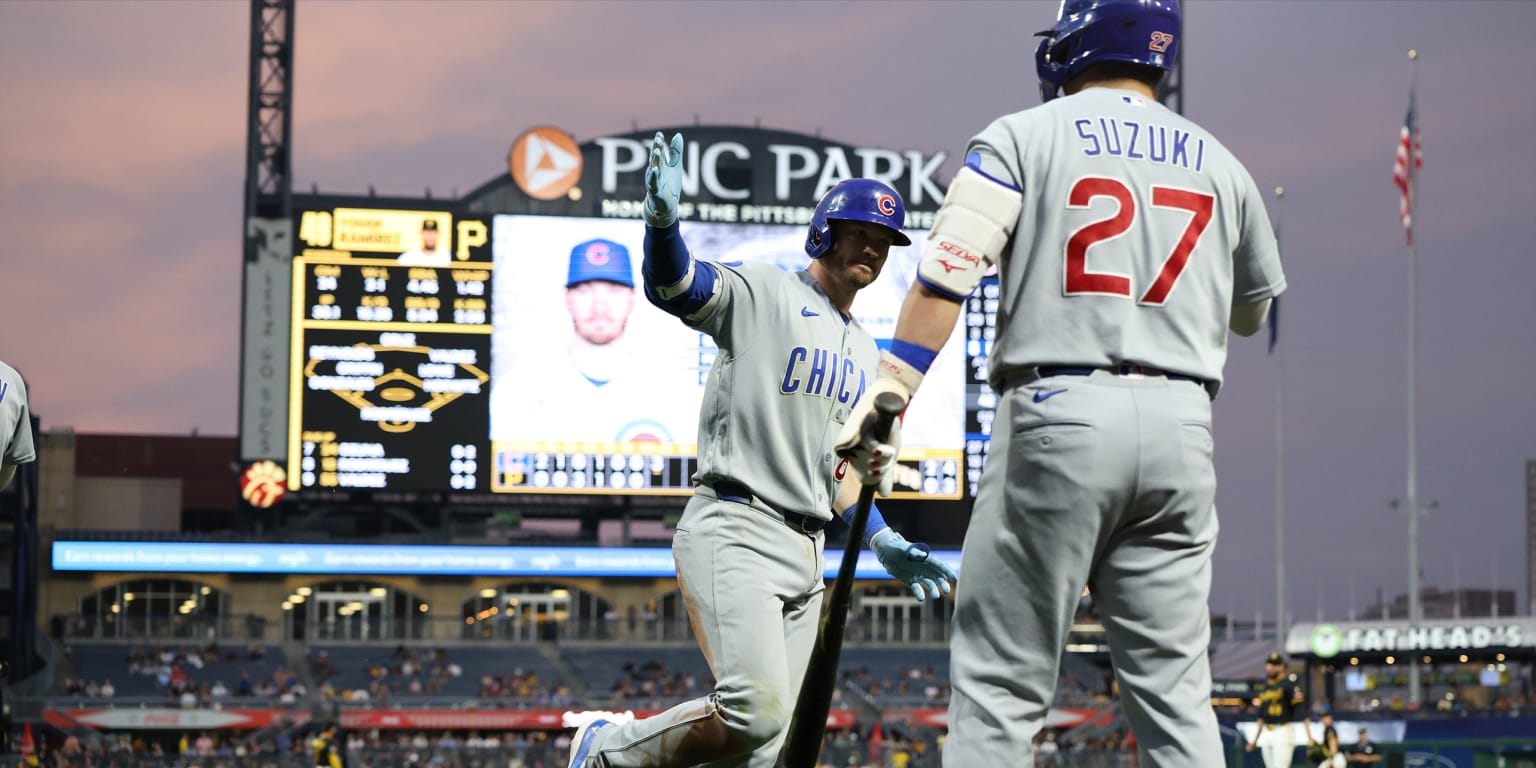
The Cubs snapped a 10-game losing streak Wednesday at PNC Park with a 10-4 victory over Pittsburgh, a result that felt less like a breakthrough and more like relief valve release after an extended mechanical failure. Ian Happ drove in five runs—a two-run single in the first and a three-run homer in the seventh—to power the win. The seventh inning alone produced six runs, with Michael Conforto adding a two-run shot and Michael Busch singling in the final run of the explosion. Chicago totaled 14 hits, and five different hitters recorded multiple hits. It was, by the numbers, a complete offensive performance. The timing of Happ's eruption matters only if you ignore the context preceding it. He entered the game batting .212. Manager Craig Counsell benched him Saturday and Sunday against Houston, hoping a rest would clear mental cobwebs. Happ responded with 1-for-7 over the series' first two games before unloading Wednesday. This is the profile of a struggling player catching the right pitcher on the right night, not a corrective moment. Happ does carry genuine pedigree in Pittsburgh—a .302 career average there and a 40-game reaching-base streak at PNC Park, the longest active streak in baseball. That's real. But a 10-game skid doesn't reverse on the back of one departure game, particularly when the broader lineup's performance metrics remain underwater. The Pirates' pitching didn't suddenly collapse; Yohan Ramírez (2-2) served mistakes in the seventh, and starter Jameson Taillon, working against his former team, surrendered four runs across five innings on just five hits. Chicago's burst was situational, not systemic. For bettors, the snap carries two competing signals. The surface reading—the Cubs' over-under for their next game should drop given a confidence-building blowout win—is exactly what the market will price. A 10-game losing streak ending generates natural relief-betting, and the line will adjust downward. But the underlying offensive construction hasn't changed. Chicago's bullpen delivered stability (Jacob Webb struck out the side in the sixth to earn the win), and a single elevated scoring output doesn't reestablish run-production consistency. The Cubs remain a team whose offensive ceiling revealed itself Wednesday and whose floor is what the prior 10 games documented. Bankroll the idea that momentum exists only as long as the next starter cooperates.