Cubs End Drought Against Pirates; Happ's Two-Game Heroics Signal Lineup Depth Returning
By Ty Whitney ·
Ian Happ's back-to-back multi-hit performances bookend Chicago's escape from a 10-game skid, but the real story is whether the supporting cast—Suzuki, the bench—can sustain offensive production beyond a two-game window.
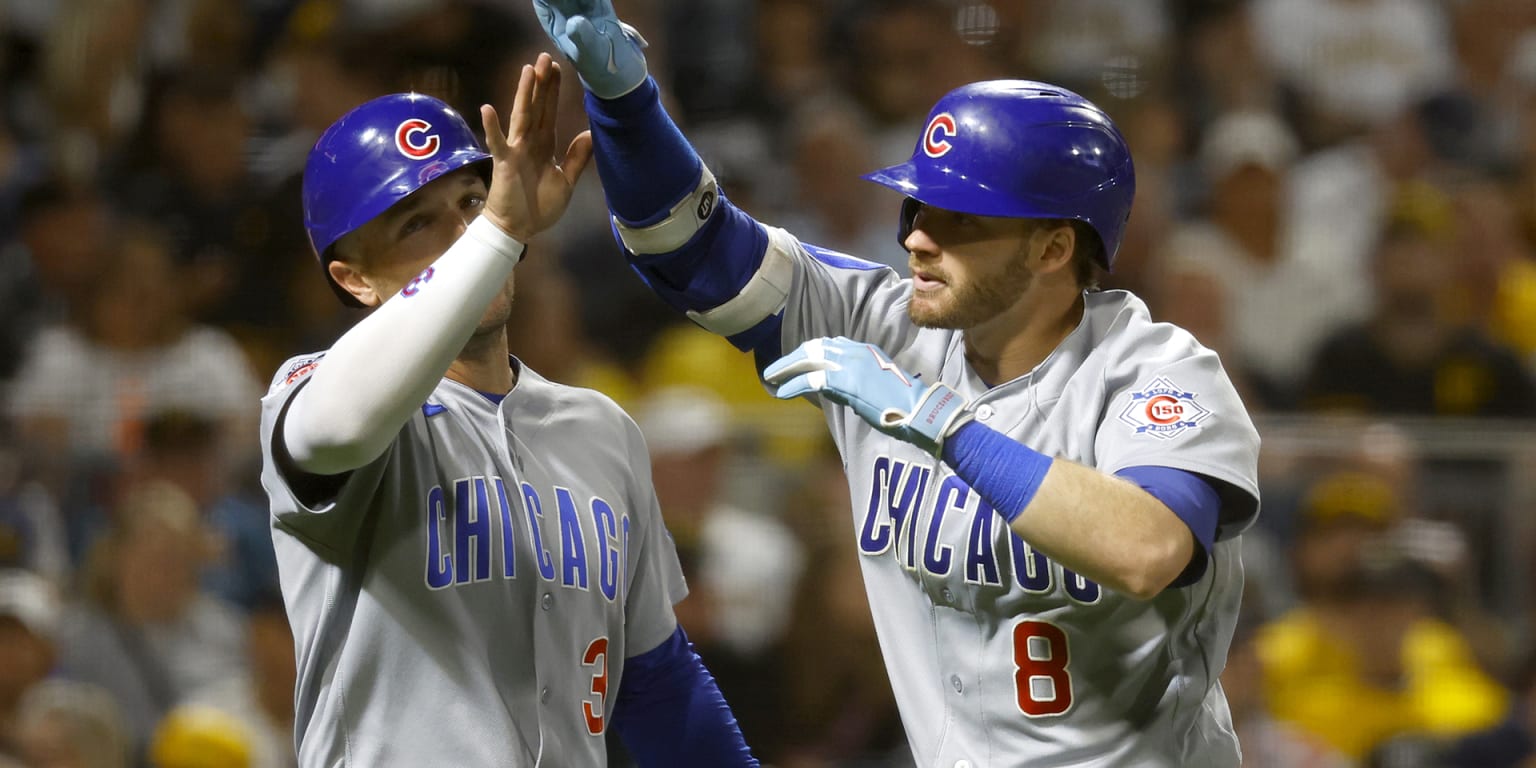
The Cubs snapped a 10-game losing streak Wednesday night with a 10-4 win over Pittsburgh, then followed with a 7-2 victory Thursday behind a three-hit, two-run homer performance from Ian Happ. Back-to-back wins against the Pirates amount to breathing room rather than a season inflection, but the consistency of Happ's contributions across both games—not just one outlier explosion—matters for what comes next.
Wednesday's seventh-inning eruption built on a six-run frame that included a go-ahead three-run homer from Happ and a two-hit, two-RBI night from Seiya Suzuki. The Cubs benefited from Pittsburgh throwing errors and Suzuki's aggressive baserunning that beat the relay to first base, turning what looked like an inning-ending double play into a run. Thursday tightened the margin but followed the same script: Happ's two-run blast in the eighth gave Chicago a 5-2 cushion, and the bullpen held. Colin Rea pitched into the sixth inning, allowing just two runs on four hits across 5 1/3 innings with three walks and five strikeouts—a performance that suggests the Cubs' arm talent isn't the brake on their offense.
The pitching staff has functioned adequately; the issue has been run production and timing. Across these two games, Happ and Suzuki generated five hits with five RBIs combined, and the Cubs manufactured enough runway to avoid relying on a single player to carry the load. However, this is a two-game sample. The Pirates' defense—with errors from Tyler Callihan and Jared Triolo—gifted the Cubs runs that won't appear in future matchups against better-fielded opponents. Suzuki's aggression on the basepaths and Happ's power both played a role, but Pittsburgh's sloppiness inflated the offensive line.
For prop purposes, Happ's emergence as a high-contact, power-producing bat justifies closer attention to his prop markets in the short term, though the durability of this form hinges on whether the Cubs generate consistent quality at-bats across the lineup. Happ has delivered power and hit totals in consecutive games, but one-off spikes after prolonged droughts tend to compress when the market reprices him within 48 hours. The edge—if one exists—lives in the lineup quality rather than Happ in isolation: if Suzuki, Bregman, and the rest of the Cubs' top six continue to drive in runs and avoid extended plate discipline disasters, team totals could carry value at their current number before Vegas accounts for this two-game reset. Conversely, if this is a Pirates-specific matchup (bad defense, weak bullpen, limited Cy Young leverage on night two) that won't repeat against division foes, team-total overs will overshoot fast. The Cubs' road trip to St. Louis on Friday will be the real test of whether this is a reset or a mirage.
The betting market hasn't had time to digest the full context—that a two-game streak against a slumping division opponent, aided by unforced errors, is not predictive of sustained offensive health. But the underlying mechanics—Happ's power stroke, Suzuki's two-strike aggression, and a bullpen that can hold leads—are real. The timing window for any edge is narrow.