Arizona's Double-Steal Touchdown Signals an Aggressive Pivot—and a Coors Field Vulnerability
By PropBetEdge Editorial Team ·
The D-backs manufactured a run via stolen base in the second inning, exposing a breakdown in pitch sequencing and catcher mechanics that repeats at high altitude.
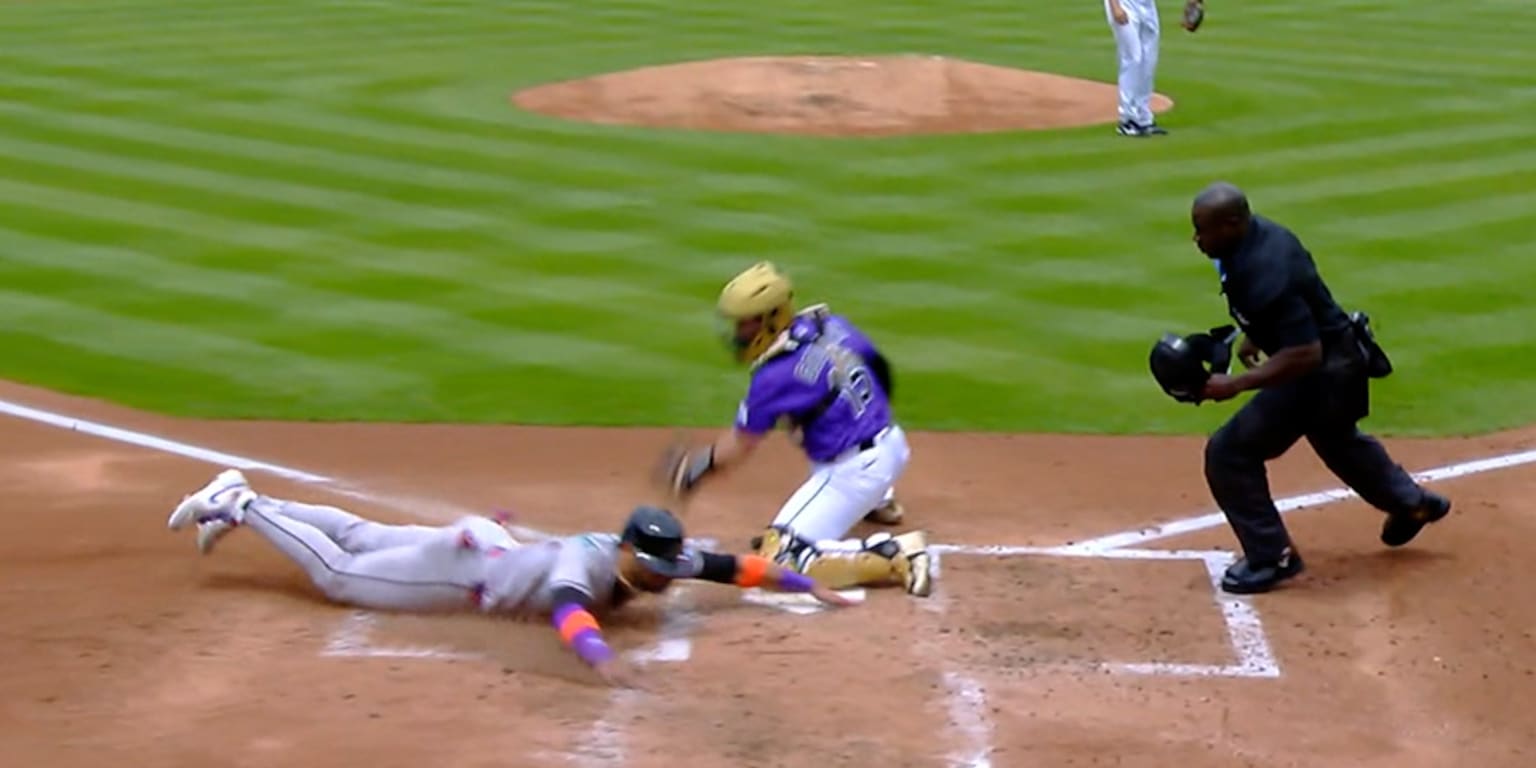
Arizona executed a textbook double steal in the second inning Saturday against Colorado, with Lourdes Gurriel Jr. breaking for home while Jose Fernandez drew a throw to second on a 3-1 pitch to James McCann. Gurriel slid in safely with a head-first dive, giving the D-backs their first run of the game via theft of home—a play Arizona hadn't pulled off since April 2023. The execution was clean, but the setup reveals something sharper: the Rockies' catcher Hunter Goodman either misread the runner break or made a decision error on the return throw, and Colorado starter Tomoyuki Sugano was deep enough in the count (3-1) that holding runners tight becomes secondary to pitch placement.
What matters here is context. The D-backs scored six runs in the first inning Friday night in a 9-1 blowout. Saturday, the runs dried up early. Stealing home on a double steal isn't a reliable offensive engine—it happens maybe three or four times per team per season, and it's almost always a tactical desperation move when the primary offense stalls. Arizona's willingness to deploy it this early in a game where they'd already seen Colorado's starter suggests they expected the runs to be harder to manufacture through conventional means. At Coors Field, where the thin air typically inflates offensive totals, a run stolen rather than earned is a tell that the D-backs' hitters weren't finding their timing.
The mechanical breakdown Goodman exhibited—late throw recognition or poor footwork on the return—is repeatable film fodder. Opposing teams will study this sequence. More broadly, Arizona's offensive profile heading into this series had them at 4.2 runs per game over their last ten contests, below their season average. Denver's pitching, anchored by Sugano, has been hit-or-miss. The fact that Arizona felt compelled to steal rather than wait for a hit suggests their confidence in their own approach had weakened. That same weakness won't disappear with one double steal.
For prop players tracking team totals and run-scoring patterns, this game carries a directional signal: when a road offense resorts to theft of home, it's often because their expected run production hasn't materialized against the opposing starter's stuff or because the ballpark conditions are suppressing fly balls. At Coors Field—typically a hitter's haven—a stolen home is a symptom of offensive friction, not relief. If the D-backs had to steal to get their first run past the second inning, their total run output for the full nine is worth scrutinizing below the market line. Colorado's pitching staff, despite Coors, isn't as porous as reputation suggests. Arizona's resort to small-ball execution in a high-scoring park hints that the aggregate total—likely inflated by Coors reputation—may be vulnerable to the under side if Arizona's hitters remain mechanical and cold.
Longterm, a single double steal doesn't reset a season. Arizona remains a .500-ish club with occasional explosive innings (see: six runs Friday). But the Saturday theft of home is a yellow flag on short-term offensive rhythm. Teams in rhythm don't need to steal home against Colorado; they hit their way across. The D-backs did eventually win the game, but the manner of their first run is the more actionable intelligence here.