Griffin Trade Reshapes Guardians Rotation at Deadline
By Erik Schwartz ·
Cleveland lands a 12-win lefty mid-season, but Griffin's peripherals tell a different story than his record suggests.
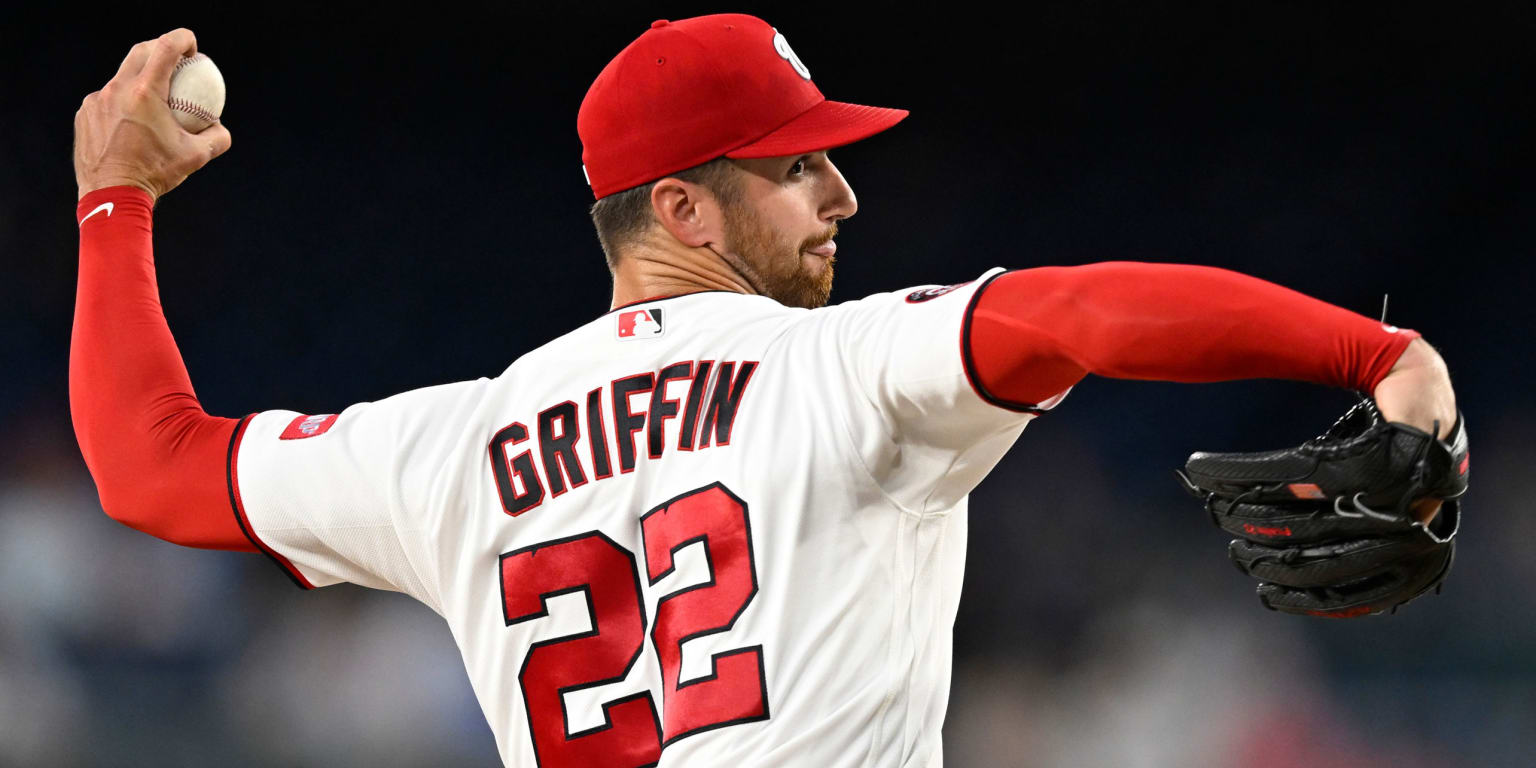
The Guardians moved fast at the Trade Deadline on Monday, acquiring left-hander Foster Griffin from Washington in exchange for four minor-league prospects—Josh Hartle (Cleveland's No. 25 prospect), Will Dion, Kendeglys Virguez, and Nick Mitchell. Griffin arrives with a 12-3 record and 3.06 ERA across 22 starts, having become one of baseball's most coveted deadline targets after spending the previous three seasons pitching in Japan's Central League.
The surface numbers are polished. Griffin has held opponents to a .226 batting average over 129⅓ innings and was named an All-Star this season. He's also in contention for NL Rookie of the Year despite being 31 years old—a reclassification tied to his limited North American service, having appeared in only seven games for Kansas City and Toronto from 2020-22 before his Japan stint. From early June through mid-July, he strung together eight consecutive starts allowing no more than one earned run, which likely amplified his deadline appeal to a Cleveland front office seeking immediate rotation depth.
But the underlying metrics warrant skepticism. A .226 opponent batting average paired with a 3.06 ERA on 129⅓ innings worked suggests Griffin is pitching ahead of his peripherals—the gap between expected outcomes (based on batted-ball quality and chase rates) and realized results typically compresses over time. His seven-pitch arsenal includes a cutter, four-seamer, sweeper, changeup, curveball, sinker, and splitter, which sounds deep until you recognize that pitch variety without dominant whiffs is often an earmark of a control artist, not a strikeout reliever. That profile works in regular season baseball but becomes volatile in October, where depth charts tighten and opponents exploit middle-of-the-zone offerings.
For prop bettors, Griffin's arrival creates a hard choice: his win total will likely see some bump thanks to Cleveland's stronger run support, but his strikeout rate—whatever it has been in the majors—is unlikely to spike. The market will price in his All-Star pedigree and the prestige of the acquisition cost, but that prestige is organizational valuation, not pitching dominance. If Griffin's strikeout-per-nine sits in the 7.0-8.0 range (plausible for a control-heavy lefty), overs on his K props from today forward represent a fade bet: the market will overshoot his whiff rate in the glow of the deadline trade, before regression toward his actual contact rate becomes unavoidable.