Griffin's Leadoff Debut Tests Youth Against Elite Speed Metrics
By Erik Schwartz ·
Pittsburgh's 20-year-old shortstop gets his first crack at the top of the order against a left-handed starter, armed with 98th-percentile sprint speed and a proven track record on the bases.
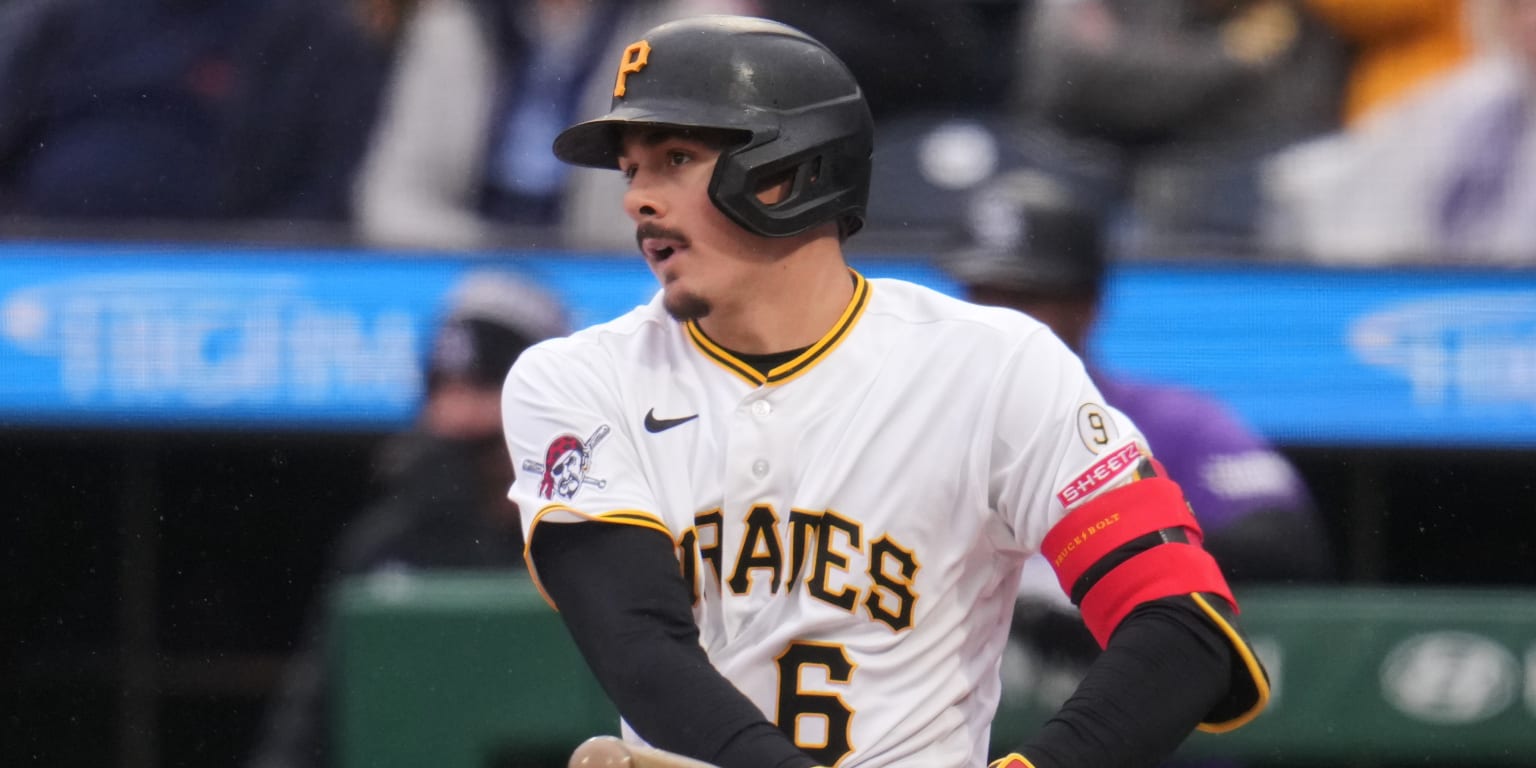
Konnor Griffin takes the leadoff spot for the Pirates on Tuesday against Cubs left-hander Jordan Wicks, marking the first time the rookie shortstop will bat first in his 47-game Major League run. Manager Don Kelly's decision hinges on two overlapping calculations: keeping Nick Gonzales in the middle of the order where he can drive in runs, and deploying Griffin's elite athleticism in a position where speed becomes immediate leverage. At 20 years and 32 days old, Griffin matches Jackson Chourio's age precisely when Milwaukee's speedster batted leadoff two years ago—a historical footnote that signals the Pirates see something worth accelerating.
Griffin enters the matchup batting .262 with a .705 OPS, pedestrian numbers that obscure what the underlying metrics reveal. His sprint speed clocks in the 98th percentile among all Major Leaguers; his baserunning value sits equally elite at 98th percentile. He has already stolen 12 bases in 2026, second only to Oneil Cruz on the Pirates roster. This is not a speed merchant padding steal totals against soft competition—Baseball Savant's percentile rankings measure performance against the entire league, and Griffin's efficiency in reading pitchers and executing on the basepaths is genuinely rare for his age.
The Cubs' decision to start Wicks, a left-hander, creates the specific context Kelly cited for the promotion. Wicks' delivery tends to slide fastballs arm-side to same-handed hitters; opposite-handed batters see a cleaner path to the plate and more opportunities to work counts. Griffin, a right-handed bat, should see cleaner looks. More relevant to the leadoff calculation: lefty starters typically allow slightly elevated walk rates to leadoff hitters who understand pitch recognition (Griffin's OBP sits at .321, meaningful for a 47-game sample). The combination—favorable matchup, elite speed, and a willingness to take pitches—aligns the Pirates' lineup strategy with Griffin's actual skill set.
For betting purposes, the narrow angle centers on Pirates team totals and stolen-base props tied to Griffin specifically. If the market has priced Tuesday's team total at 3.5 or 4 runs without fully accounting for the elevated basepath chaos Griffin creates, the over carries value. His 98th-percentile sprint speed doesn't guarantee steals, but it does increase the probability of scoring from second on a single or advancing an extra base on a wild pitch—the hidden production that team totals measure. More directly: if Griffin's stolen-base prop is available Tuesday night at 0.5 or 1.5, the over merits attention given his track record (12 steals in 47 games is a 53-game pace) and the favorable matchup against a left-handed pitcher who may not attend to baserunners with the same focus as a right-hander.
The risk is volatility. A single night's sample—even with elite underlying metrics—carries noise. Wicks could throw out of the stretch all night, negating the speed advantage. But the mechanism is durable: when speed grades in the 98th percentile meet favorable pitch recognition and actual steal production, the market typically underprices the leadoff position's team-total contribution.