Greene's Elbow Collapse Ends Cincinnati's Ace Experiment—Again
By Erik Schwartz ·
Five starts into his comeback, Hunter Greene is back on the injured list with right elbow soreness, marking the third significant arm issue in two years.
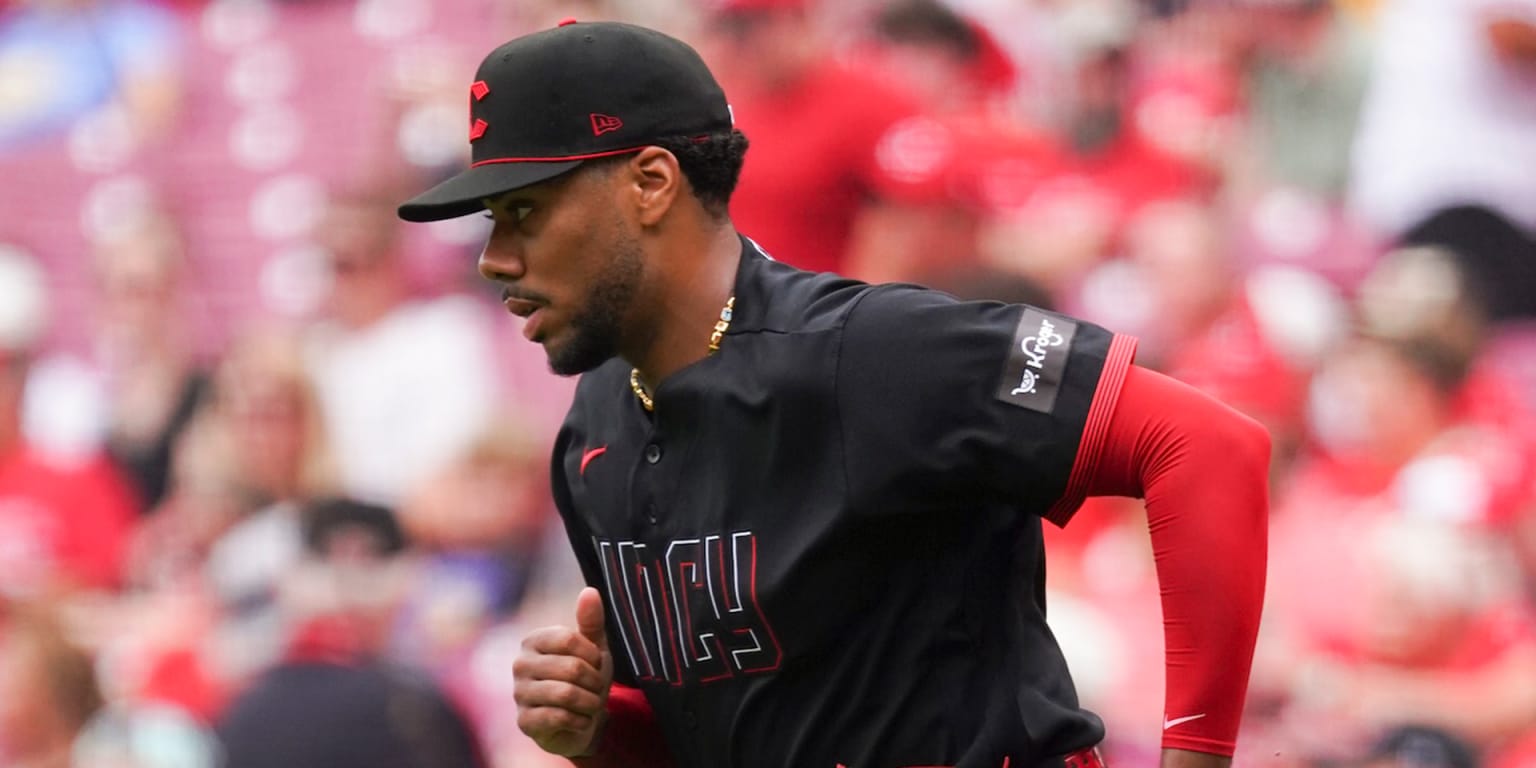
Hunter Greene is heading back to the 15-day injured list with soreness in his right elbow, the Cincinnati Reds announced Wednesday. The right-hander was recalled from the injured list just over a month ago, on July 1, after undergoing surgery to remove bone chips from his elbow during the offseason. In five starts since that return, Greene posted a 6.83 ERA—a stark departure from the ace numbers that made him an All-Star in 2024, when he compiled a 2.75 ERA with 169 strikeouts across 150 1/3 innings.
The timing of this setback is not random. Greene's brief window of availability mirrors a pattern that has defined his recent career: early promise followed by structural failure. He did flash elite stuff once—a seven-inning shutout against the Cubs with 12 strikeouts—but the durability question that shadowed his 2024 season (when he missed nearly three months with a Grade 1 groin strain, limiting him to 19 starts and 107 2/3 innings) has returned, now targeting his throwing elbow. Two surgeries on the same arm in twelve months, combined with elbow soreness emerging just five weeks after bone-chip removal, suggests a deeper mechanical or conditioning issue rather than isolated bad luck.
For Cincinnati's pitching department, this represents a franchise cost that extends beyond the immediate rotation gap. Greene was drafted second overall in 2017 and has accumulated upside that justifies the investment in surgery and rehabilitation. Yet the recurring nature of his injuries—different sites, same arm, compressed timelines between returns—indicates the Reds are managing a high-risk asset with low probability of sustained production. Luis Mey's recall from Triple-A Louisville fills the roster spot but not the expectation Greene was supposed to deliver.
From a betting perspective, Greene's absence reshapes Cincinnati's pitching leverage for at least the next two weeks and likely longer. His early-season strikeout production—when healthy, Greene consistently generates swing-and-miss stuff that translates to K props above 8.0 per start—will no longer be available. More critically, the Reds' implied run-prevention capacity shifts downward. A rotation that relied on Greene as a high-leverage starter for late-inning playoff positioning now carries added fragility heading into the stretch. Markets priced Cincinnati's team totals and run-line exposure with the assumption Greene's left shoulder and right arm were durable assets; that assumption has now been tested and found wanting twice in consecutive calendar years. Sportsbooks will likely tighten Reds totals and spread lines in upcoming contests, reflecting both the immediate loss of a strikeout pitcher and the broader organizational concern that Greene's injury history is structural rather than circumstantial.