Twins Turn Bases-Loaded Pressure Into Consistent Edge Against Weak Pitching
By PropBetEdge Editorial Team ·
Minnesota's relentless two-out sequencing and contact discipline in high-leverage situations is converting walk rates into RBI spikes—a repeatable pattern that persists even as overall offensive metrics lag the AL.
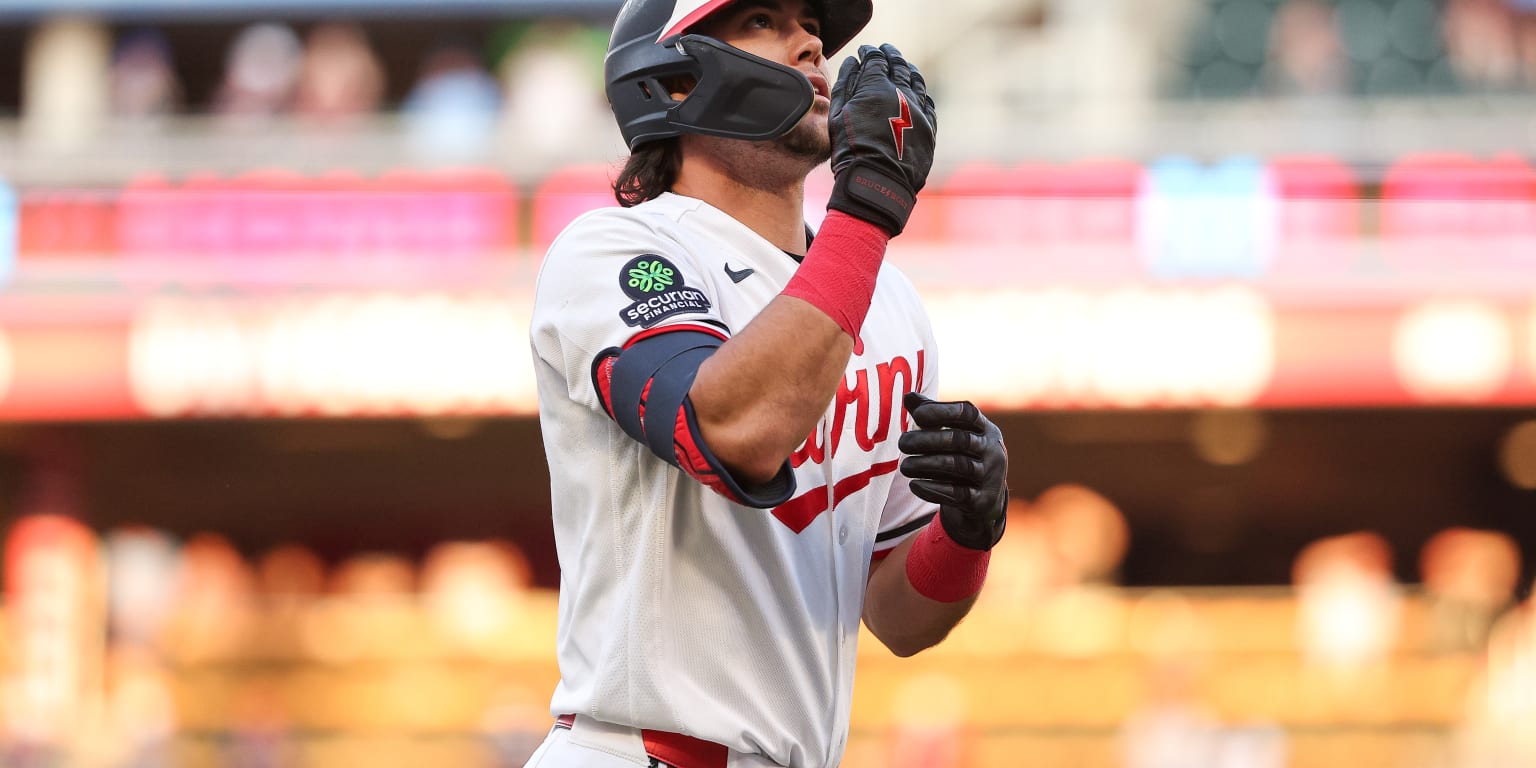
The Twins snapped a five-game losing streak with a 9-6 win over Chicago on Monday, powered by Tristan Gray's second career grand slam in the fourth inning and a cascade of two-out hits in the fifth. Gray's blast—a 384-foot drive off White Sox rookie David Sandlin's 1-0 curveball—came with two outs and represented the Twins' clearest power statement. But the architecture of the inning that followed reveals something more durable: the Twins loaded the bases twice in consecutive frames and capitalized on both, turning a deficit into a comfortable margin without needing heroic home-run swing.
What separates Minnesota's approach from statistical illusion is volume and discipline. The Twins rank first in baseball in bases-loaded at-bats, plate appearances, hits, and RBIs this season. They do this while posting middling season-long batting average and on-base percentage—a split that usually signals volatility. Instead, Minnesota is exploiting a specific inefficiency: opponents pitch to them more aggressively when the bases are full (fewer walks, more strikes), and the Twins are executing two-out contact at rates that convert those pitches into runs. Joe Ryan allowed two homers in the fifth, ceding control briefly, but that didn't derail Minnesota's flow; the Twins manufactured runs through singles, walks, and a pair of sacrifice flies—the kind of scrappy sequencing that doesn't require one 400-foot blast to work.
The pattern runs deeper than one game. The Twins are second in the AL in runs scored despite ranking middle-of-the-pack in overall slugging and on-base percentage. That gap—outperforming their macrostats in runs—is explained almost entirely by their bases-loaded conversion rate. They load the bases more frequently than any team, and they've stopped leaving those opportunities on the table. This isn't luck; it's a combination of lineup construction (ensuring contact hitters bat with runners in scoring position) and coaching philosophy (taking pitches early, hunting fastballs in hitter's counts, and prioritizing contact over home runs when stakes are highest).
For prop purposes, the edge manifests in team total overs and specific RBI targets on nights when Minnesota's lineup construction puts contact hitters (like Gray, Austin Martin, and Victor Caratini) in position to bat with runners in scoring position. The Twins' bases-loaded conversion rate is sustainable because it's built on a coaching principle, not talent variance. When Chicago sends mediocre pitching (Sandlin was erratic, clearly overmatched), Minnesota punishes the mistake through systematic execution rather than waiting for a one-swing momentum flip. This setup—high bases-loaded volume, disciplined contact against sub-elite arms—favors overs on Twins team totals when the opponent has a bullpen ERA above 4.50 and a starting pitcher with a walks-per-nine above 3.0. Tonight's matchup fit that profile exactly.
The sustainability question hinges on whether opponents adjust. If teams start pitching more carefully to the Twins with runners on, they'll walk more frequently and face fewer fastballs in the zone. That would lower the bases-loaded hit rate but potentially increase on-base opportunities elsewhere. Neither scenario kills the edge; it just reshapes it. For now, the Twins' willingness to make hard contact in two-out spots with bases full is a repeatable advantage that has persisted across multiple weeks and multiple lineups. Gray's slam was the flashpoint, but the real story is the three runs scored an inning later without leaving the batter's box.