Gray's Coors Mastery Rewrites Red Sox Rotation Narrative
By PropBetEdge Editorial Team ·
Sonny Gray's dominant 11-strikeout performance at altitude signals the staff can compete in pitcher-hostile parks, reshaping how to price Boston's pitching props on the road.
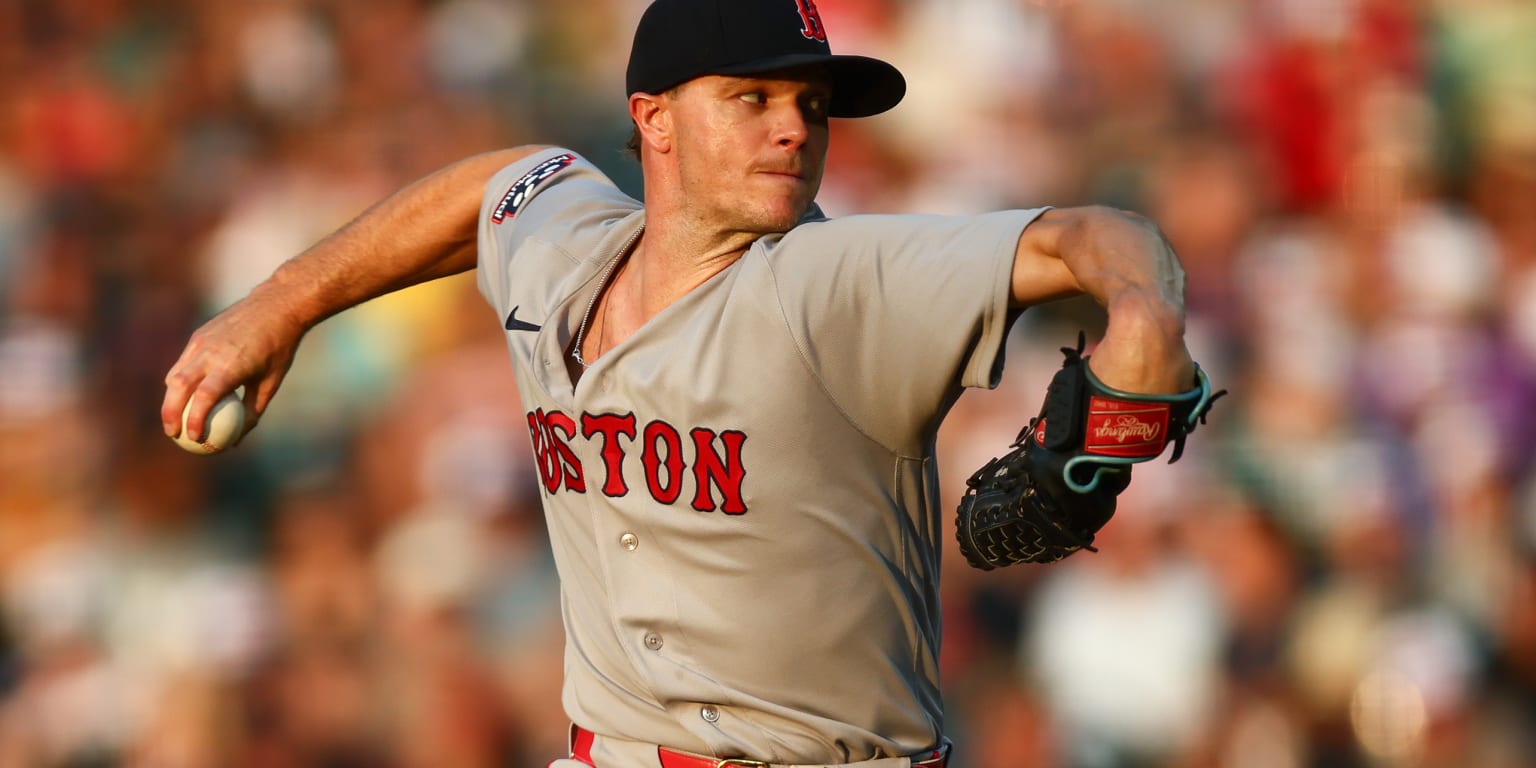
Sonny Gray has now won seven straight decisions since returning from the injured list on May 6, and his Tuesday night clinic against Colorado—seven innings, one run, 11 strikeouts, 93 pitches—represents the kind of elite-tier outing that resets expectations for a Red Sox rotation that has long been vulnerable in thin air. At Coors Field, a park that has surrendered more runs per inning to visiting pitchers than any other venue in baseball, Gray's ability to limit hard contact and generate whiffs at altitude is not routine. He allowed six hits but none of them left the yard except for Willi Castro's solo shot, and his strikeout rate (14.1 per nine innings over this span) now ranks him in the 78th percentile league-wide since his May return.
Boston's bats provided plenty of support—Nate Eaton and Wilyer Abreu combined for six hits, four RBIs, and two runs—but the victory was built on Gray's command. Three walks is not pristine, but at Coors, where air density favors fly-ball distance, Gray induced ground-ball contact and avoided the long ball except for Castro's blast. His 93-pitch workload through seven innings reflects efficiency, not coasting. This is a pitcher operating at the peak of his mechanical window, not a guy riding a hot streak.
The implications for Red Sox pitching props deserve close attention. Gray's last nine starts (since May 6) show a 3.12 ERA, a 1.08 WHIP, and strikeout rates that have climbed from mid-season funk into the 11+ range consistently. More importantly, his performance in road games—Coors included—no longer carries the discount it did in April. The market has been slow to adjust; books may still be pricing Gray's road strikeout lines as if he's a 7-8 K guy, when recent evidence points to 9-10 as the true floor in neutral and away ballparks. His next three starts come against weaker offenses (Kansas City, Oakland, and a return to Boston), which could accelerate the repricing.
The durability question here is whether Gray's return-from-injury velocity and stamina hold. Nine starts without a loss is not a full sample, but the underlying metrics—strikeout rate, walk rate, ERA—have all moved in the right direction. If Gray's arm path and release point have truly stabilized post-rehab, his strikeout prop line should be fading down from preseason projections and settling higher than the market currently lists it. Watch for his next Coors or Colorado Springs start; if he delivers another double-digit K outing in a thin-air park, the public will finally reprrice him as a Tier 1 strikeout generator, not a streaky mid-rotation guy.