Goldschmidt's Leadoff Blast Unlocks Yankees' Road Offense Against Orioles
By PropBetEdge Editorial Team ·
New York's perennial road scoring struggles vanish in one inning as Goldschmidt and Grisham deliver 6-2 victory in Baltimore.
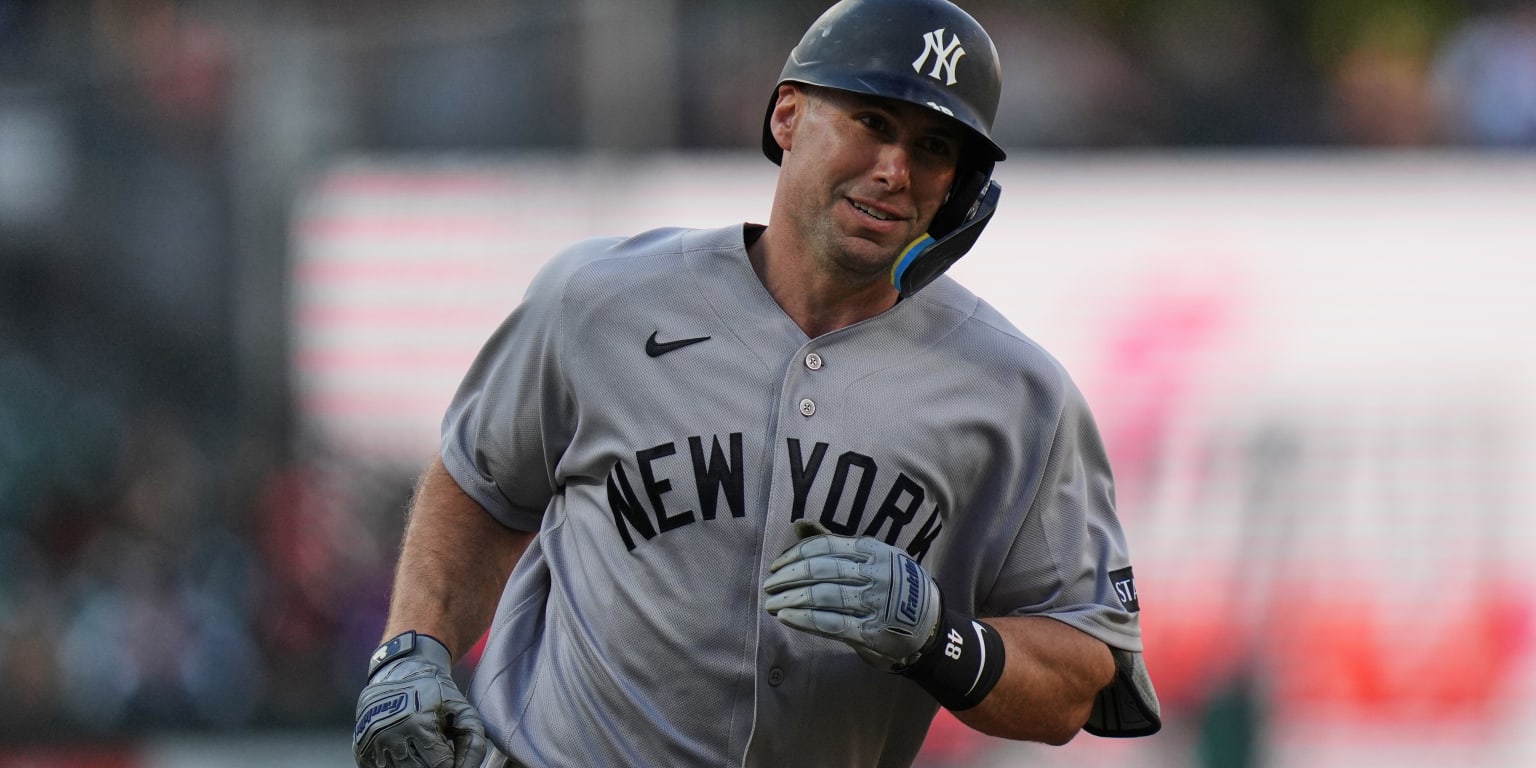
Paul Goldschmidt hit a leadoff homer on Trevor Rogers' first pitch and the Yankees broke through their road-scoring drought with a five-run third inning, defeating the Orioles 6-2 at Camden Yards on Tuesday. The blast—Goldschmidt's fourth of the season—opened the floodgates for an offense that had been managing just 3.9 runs per game away from the Bronx, compared to 6.5 at home. Trent Grisham's three-run shot two batters later sealed a dominant showing that snapped New York's four-game losing streak.
Will Warren's bounce-back start from the Yankees' rotation was equally critical. After surrendering a season-high six runs to Texas in his previous outing, Warren scattered four hits over 5⅔ innings, holding Baltimore scoreless until the sixth. His command discipline—striking out six while walking one—proved decisive when the Orioles loaded the bases with no outs in the third. Rather than fold, Warren induced a flyout and double-play grounder to escape unscathed. Goldschmidt's steadying presence in the dugout during that jam underscored his role as both offensive catalyst and veteran stabilizer; the conversation between the two highlighted how high-leverage moments often hinge on composure, not just stuff.
The third inning itself revealed the mechanics of the Yankees' road-game vulnerability. Before Grisham's homer, Cody Bellinger beat out a run-scoring fielder's choice that should have been an inning-ending double play—a play that Goldschmidt credited as potentially the game's most pivotal moment. Amed Rosario followed with an infield single to extend the rally. Rogers, the Orioles starter, was being worked to higher pitch counts early; the Yankees' patience at the plate—drawing walks and forcing weak contact—created the foundation for the run burst. That sequencing matters: Rogers didn't implode; the Yankees simply accumulated baserunners through discipline, then struck with power when the opportunity arrived.
For prop bettors, this game crystallizes a directional signal worth monitoring. The Yankees' 2.6-run gap between home and road run production is substantial, but road games carry inherent variance—one efficient inning can swing team totals dramatically. Goldschmidt's leadoff-homer tendency (now 2-for-2 this season opening games with dingers) is a single-game spike; the next time he leads off, the line will have adjusted for recency. However, the broader pattern—Yankees road unders cashing at elevated rates due to scoring drought—now faces compression. If the pitching (Warren's command, bullpen length) remains stable and the offense regains even 5-run-per-game road pace, road team totals in the 4.0-4.5 range that were priced for offensive scuffling may be undervalued moving forward. The volatility here is whether this represents a permanent shift in road approach or a single dominant third inning before the Yankees revert to their 3.9 average. Early indication: trust the bullpen stability (five relievers combined for 3⅓ scoreless) more than a single night of power; the pitching advantage is durable, the offensive breakout is not—yet.
Goldschmidt's comment that he doesn't predecide whether to swing—simply "see the ball and react"—is the essence of veteran offensive discipline applied across a lineup. The Yankees did that in the third: reacted aggressively when they had counts in their favor, bunted expectations aside. If that approach sticks, road unders become less attractive; if it was adrenaline fueling one inning, expect the pendulum to swing back by week's end.