MLB
Athletics Part Ways With Forst as Losing Spiral Deepens
Oakland's front office upheaval mid-season signals organizational surrender and opens the door to fire-sale trades that could reshape roster construction.
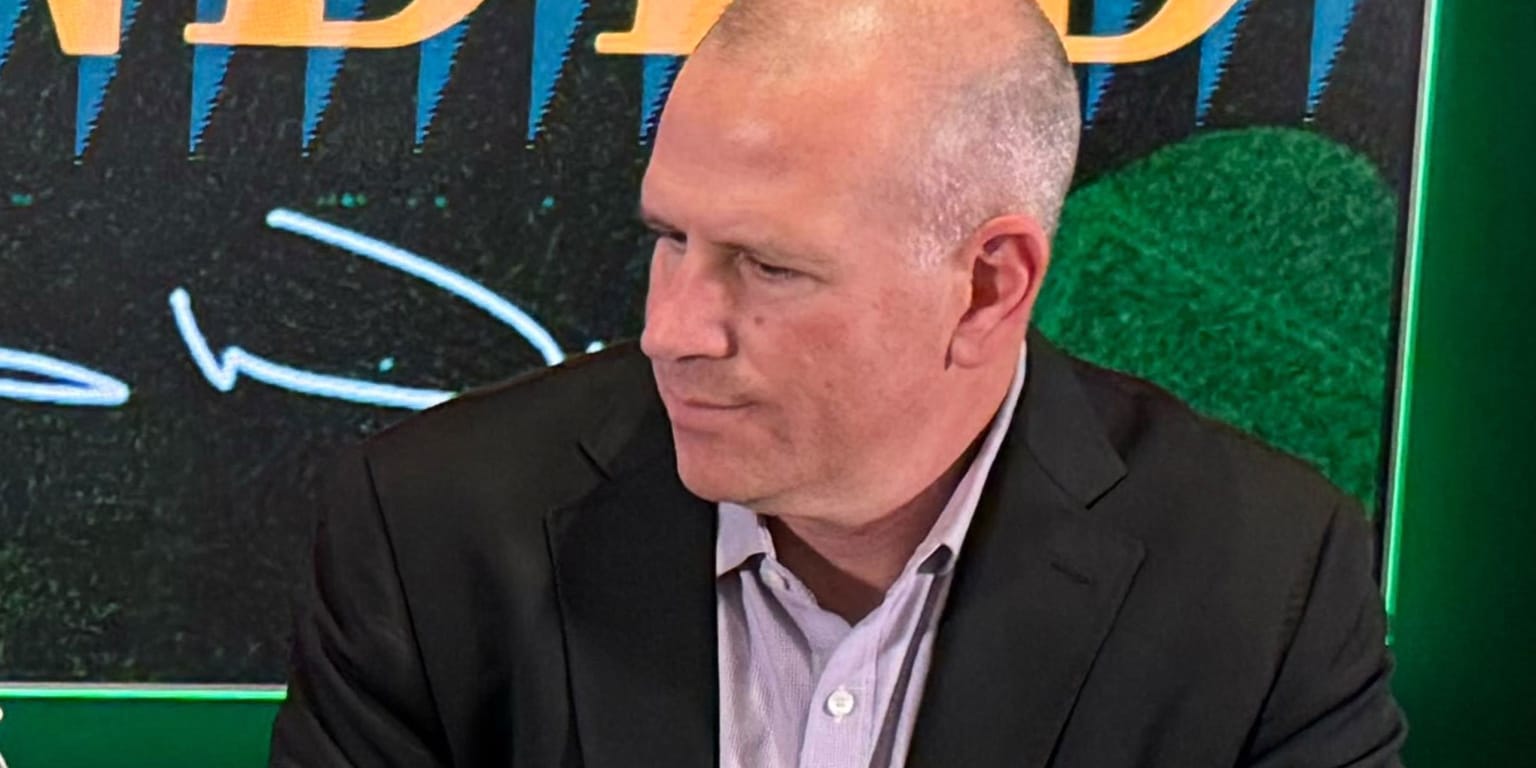
The Athletics have removed David Forst as general manager, the club announced Friday, with assistant GM Dan Feinstein taking the interim helm for the remainder of the 2026 season. Forst departs after 27 years with the organization, including 11 seasons as the lead decision-maker on baseball operations.
The timing is stark. Oakland entered play Friday at 45-70 (.391), positioned for a fifth consecutive losing season and carrying the organizational weight of a youth movement gutted by injury. Forst's tenure produced one AL West title (the 2020 shortened season) and three playoff appearances across 2018-20, but the dividend has been negative for six straight years. When a team changes GMs mid-season—especially one of Forst's tenure and institutional knowledge—it signals the ownership structure has concluded the current direction is terminal. The move amounts to a public reset button, which in competitive baseball means asset liquidation is coming.
Forst inherited a rebuilding mandate but was unable to convert prospect capital into sustained contention. The 2020 title masked deeper structural problems: Oakland's farm system did not graduate a franchise centerpiece after that window. Injuries to core youth (Chris Bassitt, Sean Manaea, Marcus Semien's departure value) compounded decision-making errors. By 2026, the team had exhausted both the patience of ownership and the remaining upside of its young core. Feinstein's interim appointment is not a signal of continuity—it is a caretaker assignment while Fisher and the front office recalibrate.
From a betting angle, mid-season front-office turnover historically precedes trade deadline asset movement. When a new interim GM steps in with a month-plus of baseball remaining, the incentive structure flips: instead of defending past decisions, the interim operator often accelerates sell-offs to demonstrate action and control. Watch for movement on Oakland's tradeable arms (relief pitchers, controllable contract players) in the next 10-14 days. This creates two betting consequences: (1) pitcher usage patterns will destabilize as the team mills out innings with journeymen rather than protecting asset value, creating volatility in strikeout props and team totals, and (2) lineup changes are probable, which erodes the predictability of individual batter prop correlations. Oakland's team total at the plate will face downward pressure as the organization begins competing for future-season assets rather than wins in a lost 2026 season.
For bettors, the core takeaway is structural instability. The A's were already 25 games under .500; this move formalizes that the organization views the remainder of the season as a reset window, not a competitive sprint. Player usage will become idiosyncratic, trades will thin roster depth, and prop correlations that held earlier in the season will fracture. Fade high-conviction Oakland props for the next two weeks while the front office establishes its blueprint under new leadership.
MLB Intelligence — Baseball intelligence beyond the box score. Open MLB Intelligence →