Giants Part Ways With Haase; Backup Catcher Market Signals Deadline Scarcity
By Ty Whitney ·
San Francisco's release of Eric Haase underscores how thin the catching depth chart is heading into August, and what teams are actually willing to pay for reserve production.
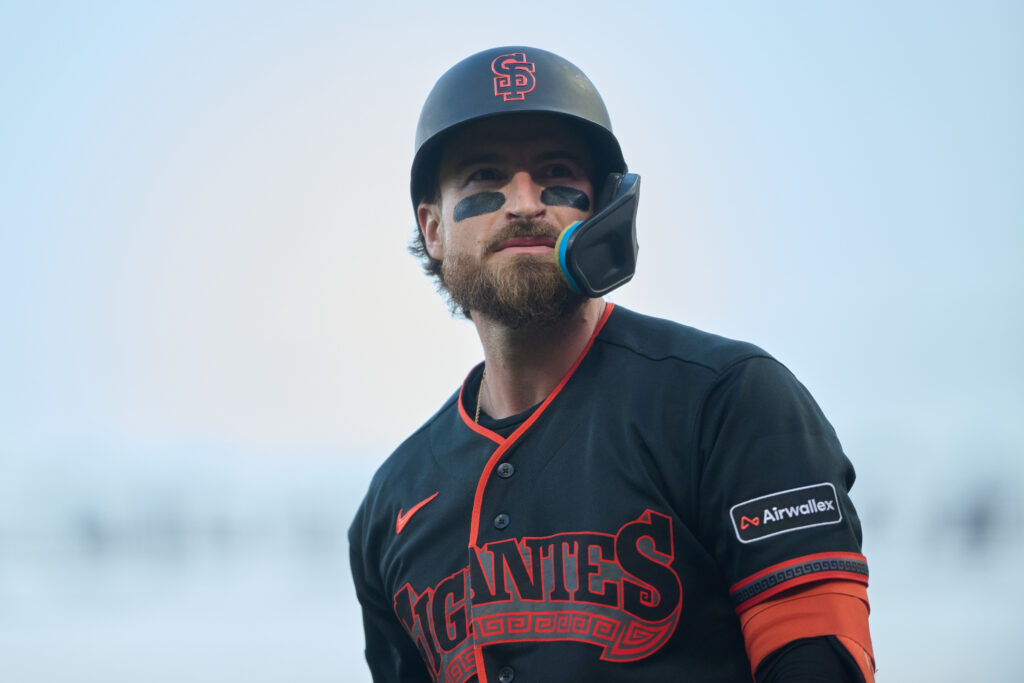
The Giants officially designated catcher Eric Haase for assignment this week, clearing roster space after Daniel Susac returned from the injured list. Per The San Jose Mercury News, Haase will attempt to clear waivers and become a free agent if no team claims him. It's a straightforward move that nonetheless carries structural weight: San Francisco held Haase on the big league roster for roughly the last three months, only to jettison him the moment Susac was available again.
Haase's three-month tenure tells you something about how the Giants valued the backup catcher slot versus how the market values it. A career .214 hitter with some power upside, Haase provided insurance against injury and occasional spot starts. He wasn't blocking meaningful at-bats or salary. His release now, rather than weeks earlier, suggests San Francisco believed the catching-depth insurance was worth the cost until Susac's return became certain. Once it did, that value evaporated instantly.
For bettors tracking roster construction ahead of the August trade deadline, this is a tell about what's actually available. Backup catchers—even ones with resume credentials—don't hold their value once a primary option surfaces. Any team shopping for catching depth in the final five weeks of the season will face similar logic: the market knows injury risk is real, but it also knows teams are willing to cut ties fast once the need passes. That caps what front offices will pay in trade compensation or free-agent contracts for reserve receivers. Haase's release also opens a potential waiver claim for contenders looking for low-cost depth; if he clears, expect immediate interest from playoff-window rosters comfortable with a veteran on the cheap.
From a prop perspective, the real signal is broader: roster churn at the backup level intensifies as we enter the August crunch, and teams with injury-tested catchers will see slight volatility in appearance-based props (games started, plate appearances) as they manage reps. If Haase lands with a contender on waivers, his own playing time becomes noise—a September call-up scenario, not a daily option. His absence from the Giants lineup also removes a low-impact bat that occasionally caught; San Francisco's team total props won't shift materially, but the offense loses a negligible percentage point in depth scoring.
The deadline lesson is clearer: backup catcher contracts and trades will remain suppressed because teams demonstrated—through Haase's cut—that they're willing to walk away from three months of payroll the moment the upgrade arrives. That disciplined ruthlessness shapes what any catcher-needy club will pay in July or August.