Giants Eating Ray's Salary to Clear the Deadline; What It Signals About Their Pitching Market
By Erik Schwartz ·
San Francisco's willingness to subsidize Robbie Ray's contract reveals a deeper problem: even at a discount, rental arms aren't moving easily in this market.
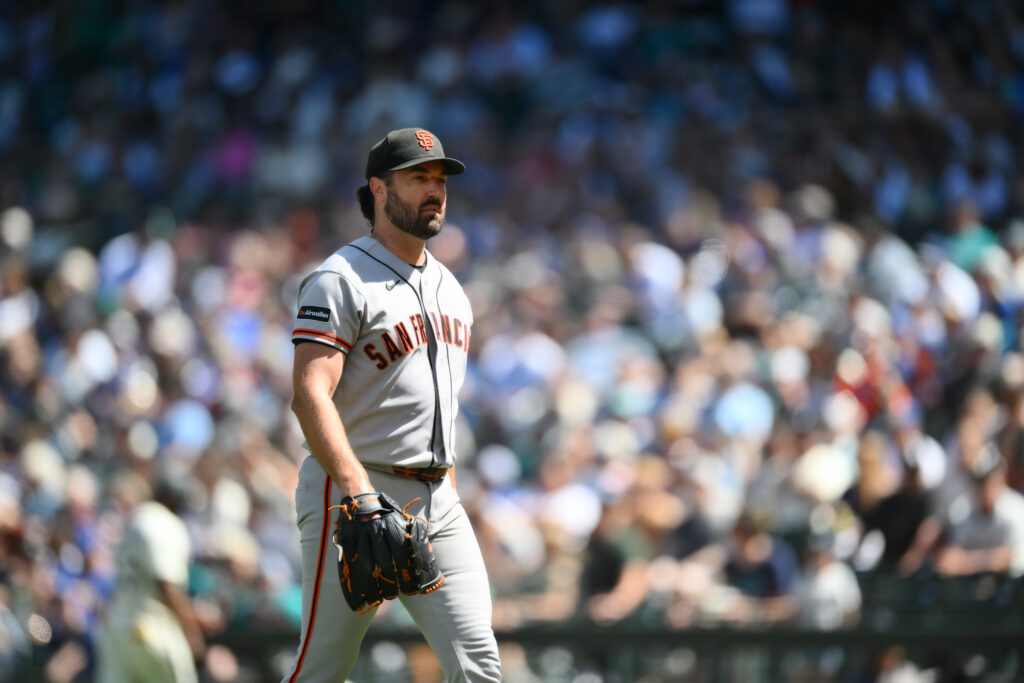
The Giants have entered salary-relief mode ahead of the July 31 deadline. Per MLB Trade Rumors, San Francisco is prepared to cover a portion of the roughly $8 million remaining on Robbie Ray's 2026 contract to move the left-hander before the trade window closes. The move signals desperation masquerading as flexibility—and it tells us something important about the supply-demand imbalance in the pitcher-rental market.
Ray, a career 3.72 ERA pitcher with legitimate postseason pedigree, should theoretically be a wanted man at the deadline. Instead, contenders are passing. The reason isn't performance; it's leverage and opportunity cost. Teams chasing October spots are evaluating rental starters against the reality that (a) Ray's strikeout rate has softened to 7.8 per nine this season, down from his historical 9.2 average, and (b) paying a prospect haul for a six-week rental of a pitcher who doesn't guarantee depth is a risk calculation that's become harder to justify. By eating salary, the Giants reduce the total cost of acquisition—fewer prospects, lower cash outlay—but they're essentially admitting their own valuation of Ray's remaining utility has cratered.
Luis Arraez and Tyler Mahle round out the Giants' three clear rental candidates due to hit free agency. The urgency is real: the team has four days to execute these moves or watch their assets walk for nothing in October. The willingness to subsidize Ray's deal suggests the market for deadline pitching is bifurcated—elite, controllable arms command premiums, while mid-tier rentals face an uphill climb unless teams sweeten the pot by absorbing cost.
For betting purposes, Ray's fate matters less than what his diminished trade value tells us about the texture of the remaining pitching market. If the Giants can't move a low-cost Ray rental without eating $8 million, the teams most likely to acquire late-deadline starters are those desperate enough to overlook volatility—which historically tracks with playoff underperformance. Contenders acquiring discount-bin arms tend to see regression in leverage moments. Any team that acquires Ray or a similar under-the-radar starter in the final 72 hours should carry modest odds adjustments on their postseason pitching props; the urgency of acquisition itself is a red flag on reliability. Watch for teams like Houston, Philadelphia, or Atlanta if they're mentioned as potential Ray suitors—not because Ray is bad, but because the context of his available trade price already reflects caution from the wider market.