MLB · milestone
Turner Hill's 26-Game Streak Ends in San Francisco—But the Real Story Is What Comes Next
The Giants call up a minor-league hitting machine just as their outfield and infield collapse under injury, forcing a recalibration of offensive depth that will shape San Francisco's second-half ceiling.
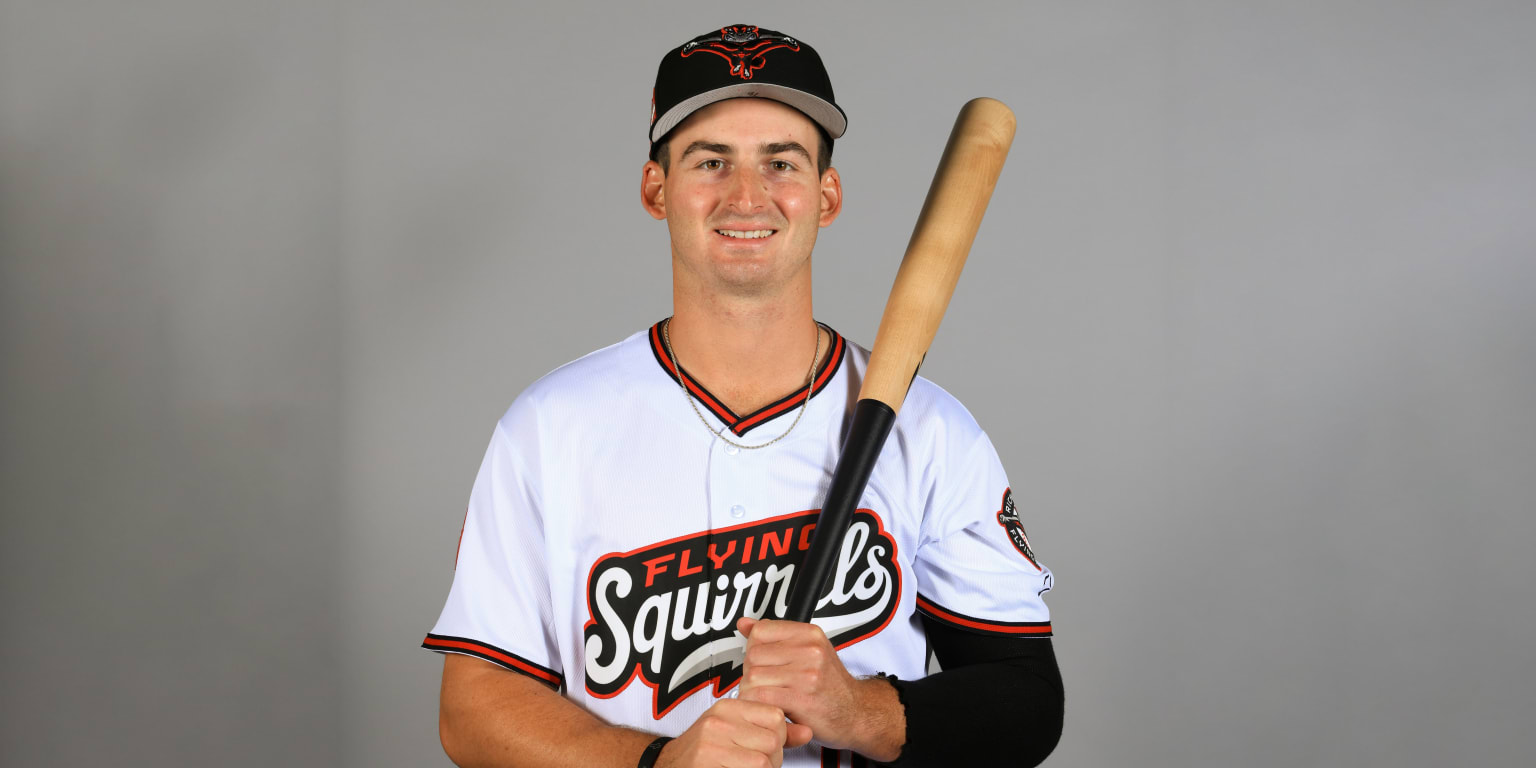
Turner Hill is in the Giants' lineup Friday night against Colorado, courtesy of a 26-game hitting streak at Sacramento that ran out of runway in Triple-A. The 27-year-old left-handed hitter batted .352 with a .956 OPS and 24 stolen bases across 97 games between Double-A and the PCL this season, a résumé constructed by someone who has learned to hit. He wasn't drafted; he signed undrafted out of Marietta College in 2023. Three years later, he's here.
The context matters more than the streak. Matt Chapman—the Giants' third baseman and one of their three lineup anchors—underwent season-ending core muscle surgery earlier this week and moved to the 60-day injured list. Casey Schmitt has left-knee surgery. Willy Adames is sidelined by back spasms. The Giants also recalled Jonah Cox, a 25-year-old outfielder who made a Double-A-to-majors jump in late May, spent time on the IL with an oblique strain, and has since posted a .468 average over 11 games in Sacramento. San Francisco's depth chart, thin before Friday, is now being remade on the fly.
Hill's minor-league dominance—particularly his .422/.490/.611 line over 23 July games—suggests he can at least avoid being a drag on run scoring once inserted into an MLB lineup. But calling him "hot" in the traditional sense misses the structural reality: this isn't a callup predicated on Hill proving he belongs. It's a callup predicated on the Giants no longer having bodies to field elsewhere. He becomes a slot in right field or DH because the alternatives have evaporated. The hitting streak is real. Whether it translates to 500+ plate appearances in the majors is a separate, much harder question.
For prop bettors, this creates a narrow but real angle. Hill's early batting average will be shadowed by elite Pacific Coast League pitcher usage he faced at Sacramento. MLB pitching, on average, throws harder, locates more precisely, and mixes breaking balls with higher spin rates. Hill will regress. What matters is whether the market prices him as a Sacramento hitter rather than as a replacement-level call-up. If sportsbooks offer him a strikeout prop or a hits line built on his .352 minor-league average rather than a 240-hitter baseline, that's a fade opportunity—but only if the line appears early enough that the market hasn't yet digested the injury context and roster desperation driving the move. Within 48 hours, this angle flattens.
Cox's .468 rebound sprint in Sacramento carries slightly more durability as a betting tell. A hitter who recovers from oblique strain and immediately hits like that demonstrates pain-free swing mechanics and heightened confidence. Unlike Hill, Cox has logged 24 MLB games already, meaning we have a prior-season baseline: .269 with a .769 OPS. If his next 20 at-bats mirror his Sacramento pace, that's unusual enough to mark as non-random. But again, this is a 48-hour edge before the market absorbs the health data and actual MLB usage.
MLB Intelligence — Baseball intelligence beyond the box score. Open MLB Intelligence →