Oakland's Comeback Culture Is Real—and It's Starting to Show Up in the Odds
By PropBetEdge Editorial Team ·
The A's have now won 14 games from behind this season, tied for the AL lead, forcing bettors to recalibrate how they price late-inning leverage and extra-inning exposure.
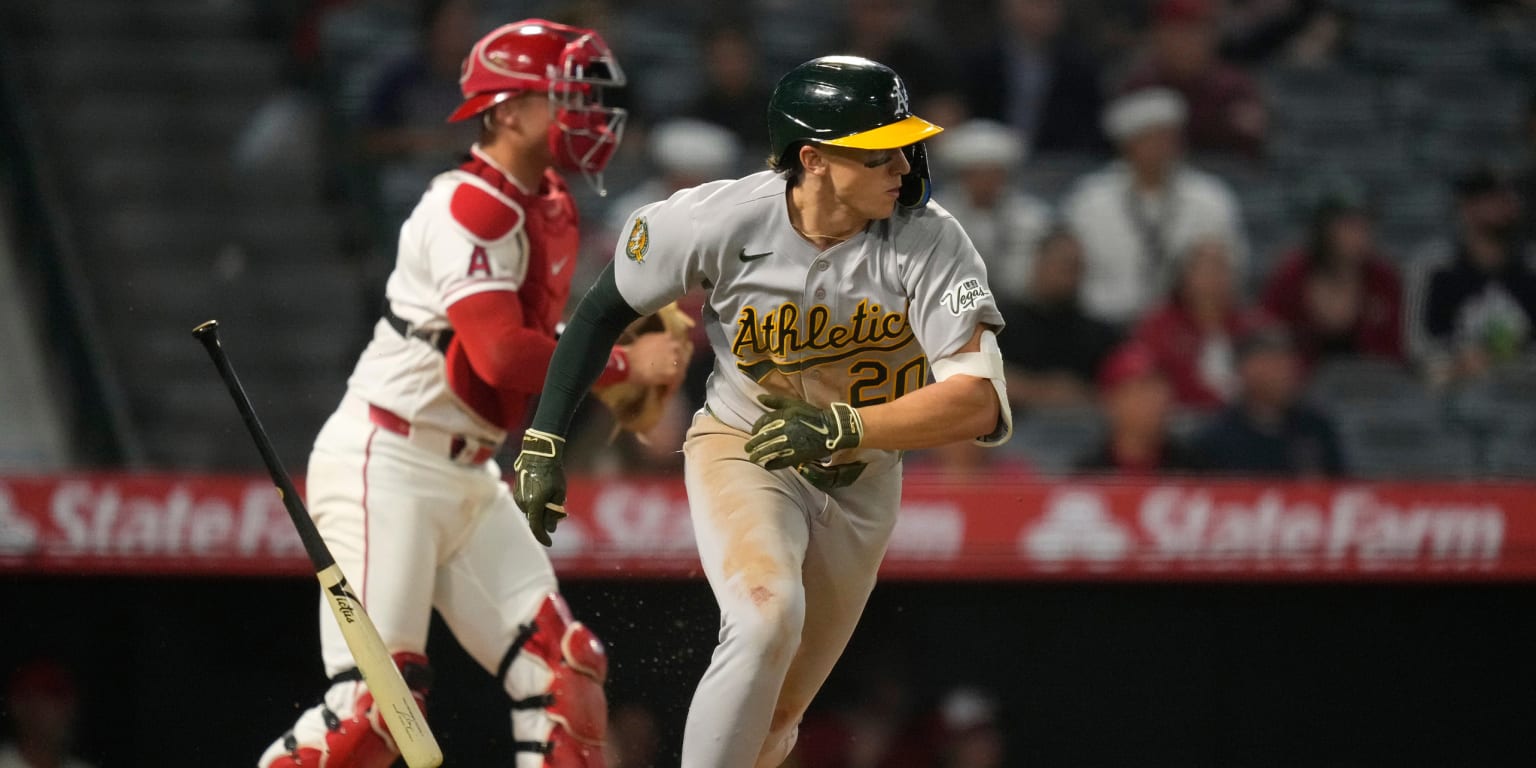
The Athletics beat the Angels 3-2 in 10 innings Thursday night, marking their second consecutive comeback victory in this series and their 14th of the season—matching Cleveland for the most in the American League and fourth-best in baseball. Oakland trailed early, chipped away against Angels pitching over six innings, then tied it in the seventh before Zack Gelof's hustle play in the 10th (beating out a potential double-play grounder) opened the door for the go-ahead run. It's the kind of sequence that looks like one-off grit until you zoom out and see a pattern.
That 14-comeback-win total isn't noise. Over a full 162-game season, pacing to 57 comebacks would represent a genuine organizational trait—the ability to stay composed in deficits, manufacture contact late in games, and execute with runners in scoring position when leverage matters most. This isn't a team that folds down three runs in the eighth. And that changes how you should approach their game totals and moneylines, especially in spots where they're underdogs or the public has written them off after five innings.
The pitching side matters too: Severino's performance (the source references a 'gem') in a low-scoring 3-2 game suggests Oakland isn't just outworking opponents in the ninth—they're getting clean starts and keeping games tight enough to steal. That tight-game profile creates a structural advantage in extra-inning variance. Oakland has played 14 extra-inning games this season already; in those games, depth and bench usage become critical leverage points. Teams that consistently win from behind have trained their bullpens and depth bats to perform under pressure.
For prop bettors, the edge is twofold. First, Oakland's moneyline in close games—especially as underdogs past the fourth inning—now sits at a discount relative to their actual closing-inning strength. Second, their team total overs carry less risk than the market prices them. When a team has this many late-inning at-bats and a proven ability to manufacture runs against better teams (the Angels are not a push-over pitching staff), the under becomes the overpriced side of the equation. Books haven't fully recalibrated for a 14-win comeback streak.
The durability question is legitimate: can this hold? Comebacks correlate loosely with talent over time, and the A's roster isn't built for a October run. But through May, this is what they are—a team that plays all nine innings and rarely surrenders. Fade the unders on Oakland until the market adjusts; fade betting against them in tight, late-inning spots where they've already proven they belong.