Crochet's Lat Strain Clouds Boston's Rotation—and Narrows Win Probability Windows
By Ty Whitney ·
The Red Sox Cy Young runner-up faces a recovery timeline that could reshape playoff odds if the injury lingers into July.
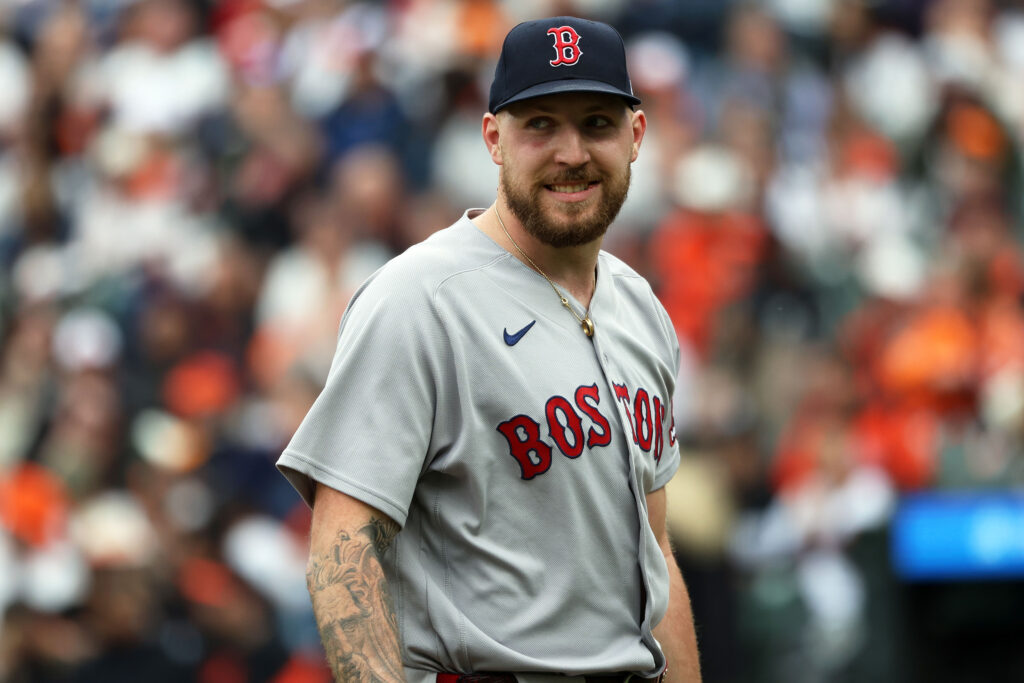
Garrett Crochet reported lingering shoulder tightness over the weekend and underwent an MRI following Boston's loss to Baltimore, revealing a low-grade lat strain. Red Sox interim manager Chad Tracy released the diagnosis publicly, confirming what many feared—the ace's availability for the stretch run is now in question. A low-grade strain typically carries a shorter recovery window than a rotator cuff issue, but lat involvement on a pitcher is never a benign finding. The muscle stabilizes the shoulder during the deceleration phase of a throwing motion; even minor inflammation can force a pitcher off the mound for weeks.
Crochet finished 2025 as the AL Cy Young runner-up after a dominant season with the White Sox before the mid-season trade to Boston. His strikeout rate and innings pitched represent franchise-caliber production. The Red Sox have invested heavily in him as their ace-level starter, and any absence disrupts the rotation's backbone. Unlike a typical starter injury, which might cost 2-3 weeks, lat strain recovery depends entirely on inflammation response and pain management. Some pitchers return in 10 days; others sit through a full month of modified throwing. The club has not announced a timetable, which historically signals caution rather than confidence.
The betting implications hinge on timeline clarity. If Crochet misses only one turn through the rotation—roughly 4-5 days to two weeks—the Red Sox's short-term win probability barely shifts; a replacement starter fills in for a single game or two. But if the strain forces him onto the injured list for 15+ days, Boston's implied win total for June-July drops measurably. Their rotation becomes top-heavy, forcing deeper bullpen usage and stretching secondary starters beyond their comfort zones. Games where Crochet would have started now carry elevated volatility; bullpen-dependent games produce wider point-spread movement and inflated totals.
For bettors, the angle is conditional. If you see Red Sox moneyline odds moving 10-15 cents wider in games coinciding with Crochet's likely return dates—especially if the injury lingers and forces a skip—that widening reflects uncertainty the market hasn't fully priced. Watch for Boston's next scheduled rotation day after this news breaks; if Crochet doesn't start on his normal rest cycle, it signals the strain is significant enough to warrant additional time. Fade Red Sox favorites in those games, or attack unders on team totals if the backup starter carries a 4.50+ ERA historically. Conversely, if Crochet returns within 10 days and pitches pain-free, the market will have overadjusted downward—those early moneyline wagers would be value spots.
The real edge is not in betting Crochet's next start; it's in reading the team's management of his return. Monitor whether Tracy sets a hard return date or uses language like 'day-to-day' or 'week-to-week.' Uncertainty pricing is the market's weakness, and pitcher injury timelines are where that pricing breaks down most visibly.