Drought Conditions and Park Physics: Why Riley and Henderson Own the Thursday HR Edge
By PropBetEdge Editorial Team ·
Two power hitters in extended slumps face pitchers vulnerable to the long ball in ballparks engineered for home runs—the setup matters more than the streak.
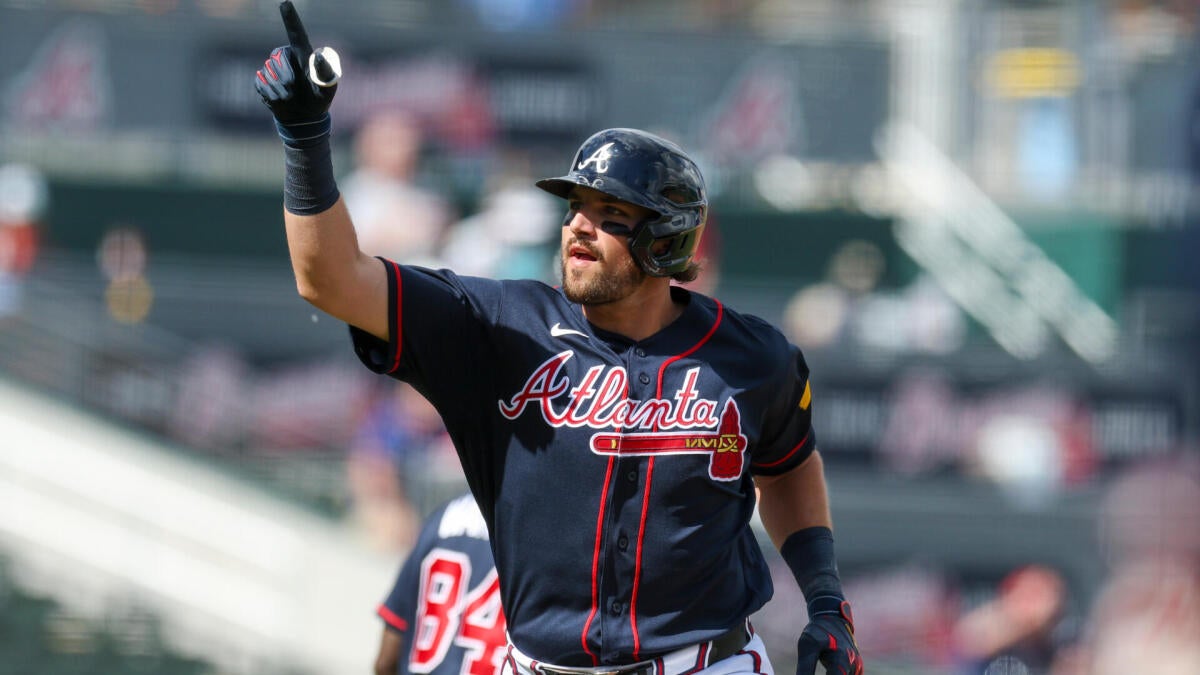
Thursday's eight-game MLB slate doesn't move the national needle—World Cup soccer will claim the evening's attention—but the evening contests contain two home run props with structural edges that have nothing to do with recent performance and everything to do with matchup design. Austin Riley, the Braves third baseman, hasn't left the yard in over two weeks despite owning eight dingers on the season and a 120-homer baseline from 2021-24. Gunnar Henderson, Baltimore's shortstop, sits at 13 home runs but has been quiet for more than a week. Both look overdue. The market has correctly priced recency—a two-week drought naturally depresses prop odds—but has miscalculated the structural advantages at play.
Riley's spot against White Sox lefty Michael Kay presents a textbook park-and-pitcher alignment. Kay is 5-1 on the season with a 4.40 ERA, respectable numbers that mask a 10-home-run allowance rate in a stadium that ranks among the sport's most vulnerable to elevated exit velocities. Guaranteed Rate Field favors right-handed power; the wind for Thursday's first pitch is forecast at 20 mph blowing right to left, a tail-wind assist for fly-ball distance. For a hitter of Riley's caliber, a wind-assisted opportunity at a home-run-friendly park against a pitcher who has already surrendered double-digit dingers is not a variance play—it's a structural overlay. Henderson faces a different but equally exploitable scenario. Orioles shortstop brings 13 home runs and lefty bat power to Camden Yards, a park engineered to reward opposite-field contact. Bryan Woo, his opponent, has demonstrably worse road splits and has surrendered more long balls away from his home park. Henderson is 1-for-3 lifetime against Woo, and that single left the yard. The wind at Camden is forecast to push out to right field, the precise direction that maximizes exit distance for left-handed hitters.
The behavioral read matters here: bettors see the two-week and one-week droughts and assume regression or form collapse. The sharper read is that both hitters are playing against pitchers with established home-run vulnerability in parks with measurable offensive tailwinds. Park factors and wind direction are not variables that shift day-to-day based on a player's recent output—they are fixed edges that exist independent of whether a hitter has gone yard lately. The market's pricing of these props reflects the drought discount; the park and pitcher data reflect the structural advantage. Riley at +429 and Henderson at +406 on DraftKings are odds that account for the slump, not the ballpark.
This is not a momentum play or a correction fade. It is a matchup-specificity angle: two power hitters facing pitchers with demonstrated HR-yielding tendencies in parks with built-in advantages for their handedness and swing direction, with weather conditions that amplify fly-ball distance. The drought is real; the conditions are also real. The market has weighted one and underpriced the other.