Wrigley Wind and Fly-Ball Pitching: Why Machado's Power Resurgence Has Real Edges Tonight
By PropBetEdge Editorial Team ·
Manny Machado faces a left-hander with a leak in his fly-ball management, and Chicago's weather may be doing the books' job for them.
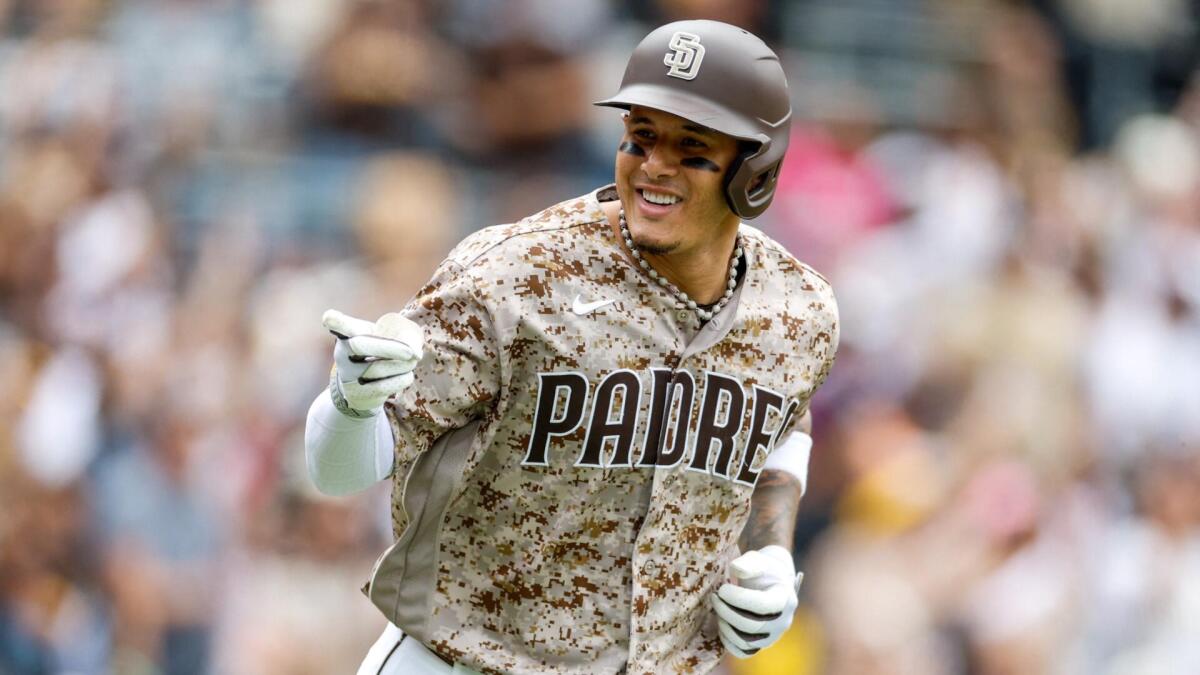
Thirteen games populate Monday's MLB slate, and among the day's matchups sits a pitcher-batter dynamic with clear mechanical vulnerabilities. Shota Imanaga takes the mound for the Cubs against San Diego, and the numbers expose a problem: opposing right-handed hitters have connected for 14 home runs off him across 65 innings, while his 17% home-run-to-fly-ball rate sits well above league average for a starter managing his pitch mix. More damning, nearly half his batted balls from righties end up in the air—a fly-ball-heavy outcome that typically precedes correction.
Machado enters as a fascinating candidate, but not for the reason surface stats suggest. He carries only three home runs against left-handed pitchers this season, a stark contrast to his 12 against righties. The immediate read—that he's broken against southpaws—misses the underlying story. Last season he nearly balanced his power split (12 homers off lefties, 15 off righties) despite far fewer plate appearances against them (164 total). His air-ball rate remains stable year-over-year, and his barrel-contact rates haven't collapsed. The power wasn't broken; it was suppressed by variance and opportunity.
Environmental factors add a secondary layer. Wrigley Field tonight carries strong tailwinds and elevated temperatures—conditions that routinely push fly balls into seats. Books have already begun repricing home-run odds downward in anticipation of the weather boost, which suggests early bettors have caught the signal. This is the critical timing tell: when sportsbooks lower prices preemptively, they're hedging against a mechanical edge (Imanaga's leak) and an environmental catalyst (wind). The gap between what Machado's underlying power profile should produce and what the market is pricing exists precisely because weather volatility makes books cautious. Bettors who move before the market fully absorbs the matchup quality gain an edge that persists through line movement.
Jackson Chourio presents a parallel setup against Cincinnati's Nick Lodolo. Seven home runs off Lodolo from right-handed hitters through nine starts, coupled with a 16% HR/FB rate and high barrel rates allowed to righties, create a foundation for contact quality. Chourio has hit nine homers in June alone and four against left-handed pitchers in just 55 at-bats this season—a rate that annualizes to legitimate power upside. Lodolo's recent performance against Milwaukee (two hits allowed in four innings) reads as noise in a small sample; the underlying pitching profile hasn't changed. When a hitter's contact quality is confirmed on tape (the 107 mph single to Chourio) and his seasonal power trajectory is steep (nine in one month), single-game variance offers opportunity.
The prop edge here trades on two mechanisms: first, pitcher vulnerability to a specific handedness is real and often underpriced by books adjusting for name recognition rather than mechanics; second, environmental conditions create a window where mechanical edges compound with external factors before markets reprice. Both Machado and Chourio benefit from opponents who leak fly balls to their hitting hand, and both operate in spots where the market is pricing defensively rather than with full conviction. The edge is not permanent—it fades as weather adjusts and as samples grow—but it exists now, at current pricing, and carries durability through the first 12-24 hours of line movement.