James Wood's Elite Exit Velo and Alcantara's Fastball Vulnerability Make a Sharp HR Play
By PropBetEdge Editorial Team ·
The Nationals' left-handed power bat faces a right-hander showing alarming home-run leakage, creating a matchup edge that the market hasn't fully priced.
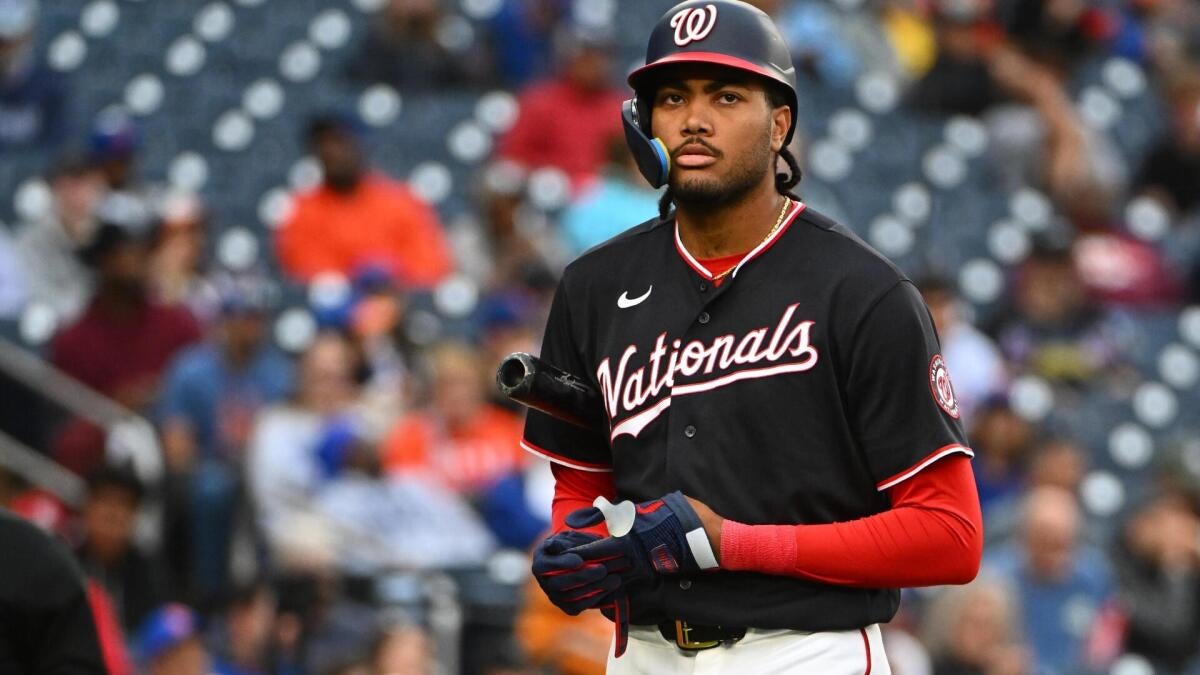
Nine games dot Monday's schedule, enough volume to filter out noise and find matchup edges. The Nationals–Marlins pairing offers one: James Wood stepping into Sandy Alcantara, a former Cy Young winner who has surrendered five home runs across his last two starts, four of them to left-handed hitters.
Wood's profile against right-handed fastballs is the fulcrum here. He carries a .291 average with 12 home runs off righties this season and has clubbed eight long balls on the fastball and changeup combined. His expected slugging sits above .800 on fastballs alone—elite company. The mechanical detail matters: Wood's 97+ mph exit velocity off fastballs trails his prior-year marks by a couple mph, suggesting he's not pushing his ceiling. Alcantara, meanwhile, has become a fastball-heavy pitcher lately, leaning on the pitch to manage outs against lefties. That predictability, paired with a pitcher showing durability cracks after previous heavy workloads, creates a window.
Across Alcantara's recent outings, the Marlins' defense has offered minimal help. Shift alignments and ballpark geometry conspire against the pitcher. Wood's combination of bat speed and leverage—his ability to stay dangerous deeper into counts—removes the relief-pitcher volatility that sometimes saves a starter's day. He's not a dead-pull hitter swinging at hangsliders; he's a contact-plus power bat who can chase mistakes on pitches where Alcantara has shown specific vulnerability.
The market has priced Wood's home run at +350, a fair midpoint for a 22% implicit probability. But the matchup asymmetry—Wood's elite fastball-slugging metrics against Alcantara's recent hemorrhaging of fastballs to left-handed bats—suggests the true probability edges closer to 26-28%. The edge is lean, not dramatic, but durable: it rests on repeated patterns (Alcantara's pitch selection, Wood's fastball authority) rather than a single hot streak. This is the type of angle that withstands early line movement because it's rooted in mechanism, not recency.