Yastrzemski's Split Against Paddack Offers Sharp HR Edge; Freeman Fade Against Wheeler
By PropBetEdge Editorial Team ·
A 35-year-old platoon bat with a 1.324 OPS head-to-head record becomes a live home run candidate when Cincinnati's struggling starter takes the mound in Cincinnati.
Mike Yastrzemski has hit .234 this season as the Braves' part-time outfielder, a shadow of his 2021 form when he smacked 25 homers for San Francisco. At 35, he's not the kind of name that draws casual attention in home run prop pools. But Atlanta's Friday matchup against Cincinnati's Chris Paddack transforms the calculus entirely. Paddack arrived at the Reds fresh off a release from Miami, carrying a 6.86 ERA and six home runs allowed across nine appearances. Even in two starts since joining Cincinnati, his peripherals haven't stabilized—he's given up no dingers but his command remains spotty enough that the underlying risk remains high. The critical detail: Yastrzemski has absolutely owned Paddack in his career. He's 10-for-25 with three doubles and three home runs (1.324 OPS) against the right-hander. That's not a small-sample fluke; it's a repeatable split that reflects how Yastrzemski attacks fastballs and elevated pitches—exactly what Paddack throws when he's struggling. The Braves are at Great American Ball Park, where the wind is blowing slightly in but shouldn't suppress carry distance meaningfully. Yastrzemski's at-bat volume will be limited by his platoon role, but when he's in the lineup against righties like Paddack, his swing becomes a concentrated weapon.
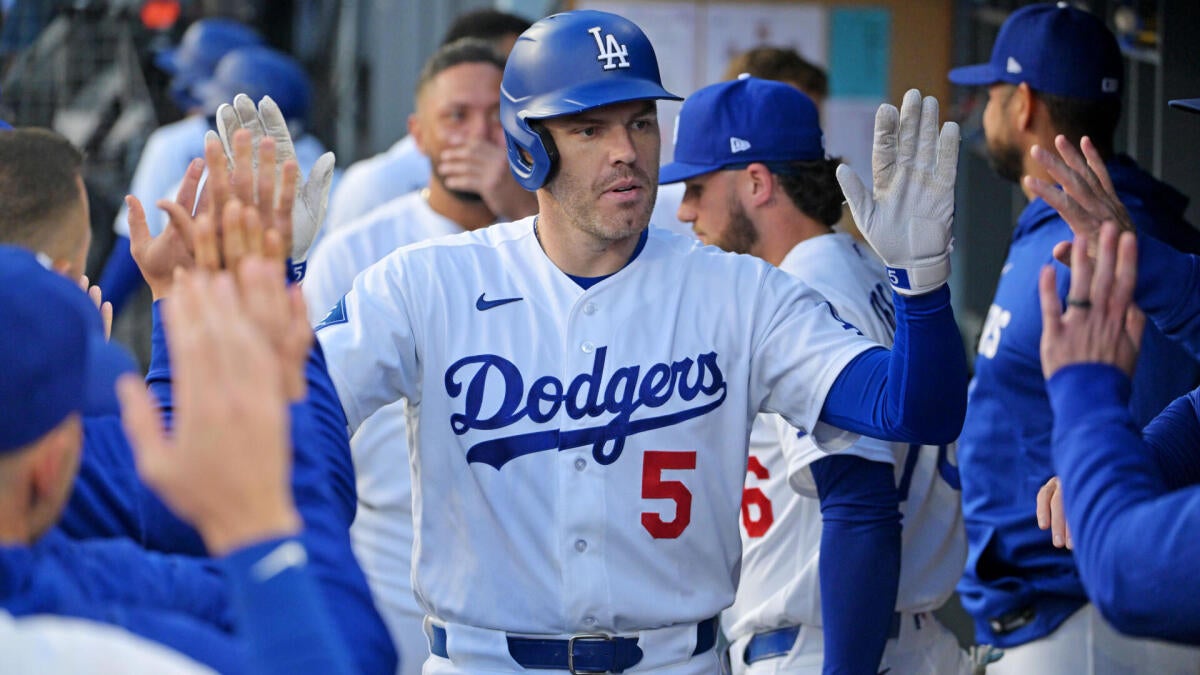
FreddieFreeman's Friday matchup tells a different story entirely. The Dodgers' star faces Zack Wheeler, a Cy Young-caliber arm who entered May with consecutive scoreless outings spanning 13 innings and a 1.67 ERA. Wheeler's fastball command is elite, his slider is in his bag, and Freeman—while one of baseball's most disciplined hitters—doesn't carry the power metrics or split dominance against Wheeler that would justify backing him at plus-money to go deep. The sportsbook has priced Freeman's home run prop at +530 on DraftKings, which suggests the market is already leaning into the appeal of the Phillies-Dodgers matchup as prime entertainment. That's precisely where overs and plus-money plays become traps. Wheeler's performance this season isn't an outlier; it reflects sustained excellence that Freeman will have to work against for nine innings. The pitcher-hitter edge here belongs to the mound.
Both plays hinge on pitcher matchup specificity rather than team condition or weather. Yastrzemski's +570 line contains embedded value because few bettors dig into platoon splits for aging, part-time hitters—they see the average and move on. The market hasn't fully priced the Paddack liability or the historical Yastrzemski advantage. Freeman's +530, by contrast, reflects genuine demand from casual bettors drawn to a star-versus-star narrative without factoring Wheeler's true skill level into their calculus. The edge against Freeman isn't that he can't hit home runs; it's that Wheeler's pitching profile and Freeman's expected frequency against his stuff are already reflected in the line, leaving no margin for error or variance in the bettor's favor.