All-Star Home Run Props in Philadelphia: Trout's Philly Edge and Soto's Park Mastery
By PropBetEdge Editorial Team ·
The 2026 Midsummer Classic brings elite power bats to Citizens Bank Park, where ballpark familiarity and pitcher matchups create measurable home run edges.
The National League hosts the American League on Tuesday night in Philadelphia, with Cristopher Sanchez taking the mound for the NL and Dylan Cease starting for the AL. The All-Star Game presents a unique betting environment: shorter sample sizes, mixed lineups featuring bench talent, and pitchers who typically work shorter stints than they would in regular season play. Home run props shift accordingly—batters get fewer at-bats, but relief pitching tends toward right-handed arms in late innings, and ballpark dimensions matter more when you're facing unfamiliar opposition.
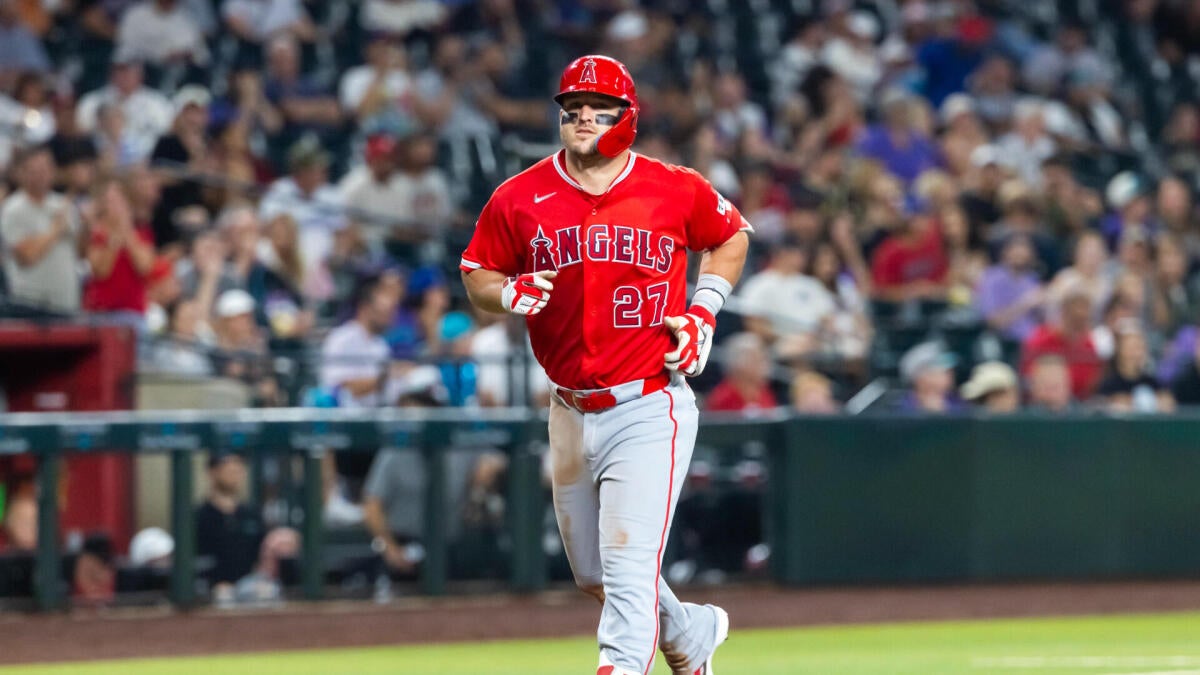
Mike Trout enters as one of the game's most durable power threats despite recent injury history. He'll bat leadoff for the AL, guaranteeing at least two plate appearances, and his All-Star resume is elite: .412 average, two homers, and two MVP awards across previous games. The mechanical advantage here is specific: Sanchez has leaked home runs in his last two starts (four allowed) and nine over his last seven appearances. While Sanchez's season rate is sustainable, the recent spike suggests either mechanical fatigue or elevated fly-ball rates in warm July conditions. Trout's pull-side power aligns with Sanchez's arm angle tendencies. The narrative element—Trout raised in New Jersey—is secondary to the ballpark and pitcher data, but it shouldn't be discounted; home-grown players do notch measurably better results in these exhibition contexts.
Juan Soto presents a different edge. He's posted a .562 slugging percentage this season with 21 homers despite missing time, and more critically, he owns a 18-homer history specifically at Citizens Bank Park—an outlier return for any single stadium in his career. This isn't a minor clustering; Soto's power profile tilts heavily toward left-center at this yard. While Cease has been stingy (five homers allowed all season), Soto will likely face relief pitching in his second or third at-bat, where right-handed relievers dominate NL bullpens. The park factor compounds the matchup advantage: Citizens Bank measures 330 down the line and plays 2–3 feet shorter than league average in left-center. For a bat with Soto's pull tendency, that's a consistent advantage.
Cody Bellinger at 1000-to-1 odds carries higher variance but isn't a pure lottery ticket. He's accumulated just 11 homers this season, a legitimate red flag, but the construction of NL relief pitching—almost exclusively right-handed—removes the handedness mismatch that would plague him against Sanchez. If he enters the game in the fifth inning or later, he's facing relievers with higher fastball rates and less sharp secondary stuff than the Philadelphia ace. The odds reflect his low season total; the mechanism rests on limited at-bats against a specific arm profile (RHP relievers) in a context where exit velocity matters more than frequency.
The All-Star Game hr prop market typically prices around 50% of the juice toward favorites and 50% toward home-run hitters; the consensus recognizes star power but underweights ballpark factors and the relief-pitcher-heavy environment of later innings. Trout and Soto both face entry to a secondary arm pool by their third plate appearance, a structural advantage baked into their odds but not fully priced until sharps move into the market. Early numbers often hold wider value margins than regular season props because All-Star lineups lock closer to game time.